


Sea Turtles of Bali

Sea Turtles of Bali: Best Places to See Them and How to Protect Them

Bali is a tropical paradise for travellers — but it’s also a sanctuary for some of the world’s most fascinating marine animals: sea turtles. Whether you’re diving along vibrant coral reefs or walking along a quiet beach at sunset, there’s always a chance you’ll encounter one of these ancient, gentle creatures.

In this guide, we’ll cover the species of sea turtles found in Bali, the best places to see sea turtles in Bali, and the inspiring conservation efforts working to protect them.

Species Found in Bali: The Best Places to See Sea Turtles

If you’re wondering where and how to spot a sea turtle in Bali, you’re not alone. These creatures are high on many travellers’ wish lists — and the island delivers. Here are the most common species you’ll find, along with the best places to see them in Bali.

🐢 Green Sea Turtle (Chelonia mydas)
Green sea turtles are the most commonly spotted turtles around Bali. They’re often seen feeding on seagrass or resting on the reefs. Calm and curious, they’re a favourite among snorkellers and divers.

Best places to see green sea turtles in Bali:
Padang Bai – Especially near the Blue Lagoon.
Kuta Reef – Just off the busy tourist beach.
Amed – A quiet snorkelling spot with coral gardens.

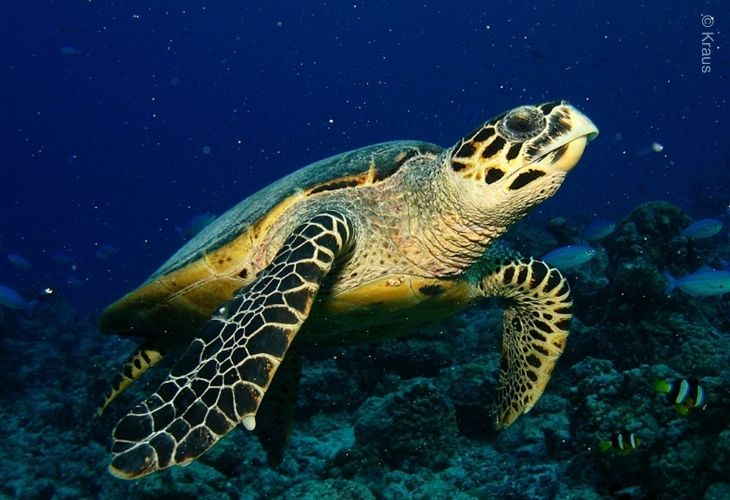
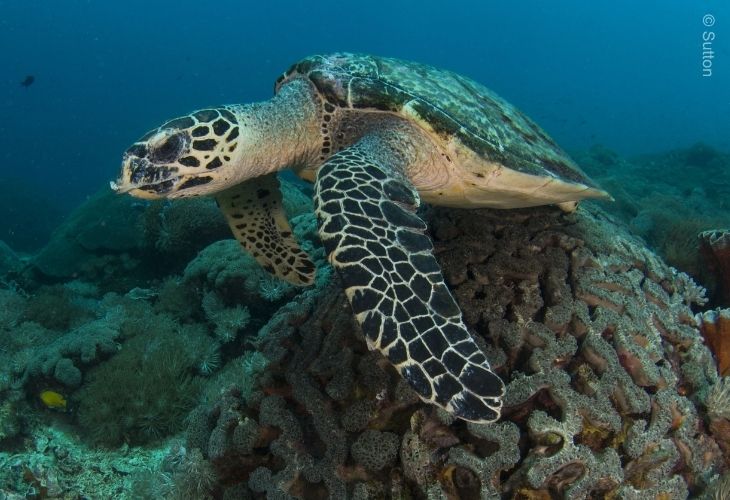
🐢 Hawksbill Turtle (Eretmochelys imbricata)
Hawksbill turtles are beautifully marked with distinctive shells and are crucial for coral reef health, feeding primarily on sponges. They’re slightly more elusive but frequently found in coral-rich waters.

Best places to see hawksbill turtles in Bali:
Nusa Lembongan – A favourite diving spot with healthy reefs.
Nusa Penida – Offers a great chance to see hawksbills along reef slopes.

🐢 Olive Ridley Turtle (Lepidochelys olivacea)
These small but mighty turtles are the rarest of the three seen around Bali. Known for their mass nesting events (barricades), they’re less commonly spotted but still make appearances near key conservation zones.

Best place to see olive ridley turtles in Bali:
Serangan Island (Turtle Island) – Visit during nesting season for a rare glimpse.
Sea Turtles of Bali

Protecting Paradise: Sea Turtle Conservation in Bali

While Bali is one of the best places to see sea turtles, these beautiful animals face serious threats. Habitat destruction, plastic pollution, and illegal trade have all taken a toll on sea turtle populations worldwide — and Bali is no exception.

Fortunately, local communities and conservation groups are stepping up.

🐣 Turtle Hatcheries and Nesting Programs
Conservation centres around Bali are working hard to protect turtle nests and increase hatchling survival rates. If you want to combine travel with purpose, visiting one of these centres is a great place to start.

Top conservation sites:
Turtle Conservation and Education Center (TCEC) – Located on Serangan Island, this centre rehabilitates injured turtles, runs hatcheries, and educates visitors.
Serangan Hatchery – A chance to see turtle eggs, hatchlings, and even join a baby turtle release.

🌍 How You Can Help

Even small actions can make a big impact on sea turtle survival:
– Say no to single-use plastics — Especially straws and bags that often end up in the ocean.
Never touch or feed turtles — Observe respectfully.
– Choose eco-certified tour operators that follow ethical wildlife practices.
– Don’t buy products made from turtle shell or eggs.
– Consider volunteering or donating to trusted organizations like WWF Indonesia or Bali Sea Turtle Society.
The-Best-Places-to-See-Sea-Turtles

Explore Responsibly and Make a Difference

Bali truly is one of the best places to see sea turtles — whether you’re floating above coral gardens in Nusa Penida, diving into the deep blue off Padang Bai, or releasing hatchlings into the ocean on Serangan Island.

But these encounters come with responsibility. By choosing eco-conscious experiences and supporting local conservation efforts, you help protect these ancient mariners and ensure future travellers can enjoy the same unforgettable moments.

So grab your mask, fins, and a deep respect for the ocean — your sea turtle adventure in Bali awaits.

By Hafid, AMD-B’s 2025 Divemaster Intern
The Scorpionfish Family

Scorpionfishes

Scorpionfish are a fascinating group of venomous reef fish known for their incredible camouflage and potent defensive spines. Belonging to the family Scorpaenidae, they are ambush predators that rely on stealth, lying motionless on the seafloor until prey comes close. With textured bodies and mottled colours, they blend effortlessly into coral, rocks, or sand.

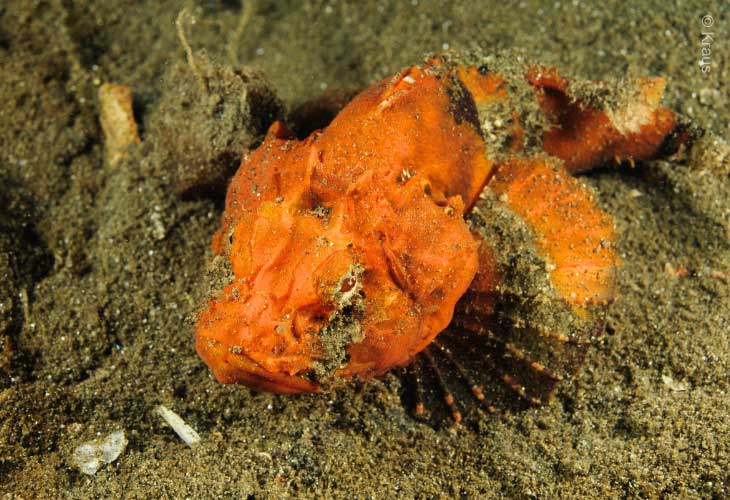
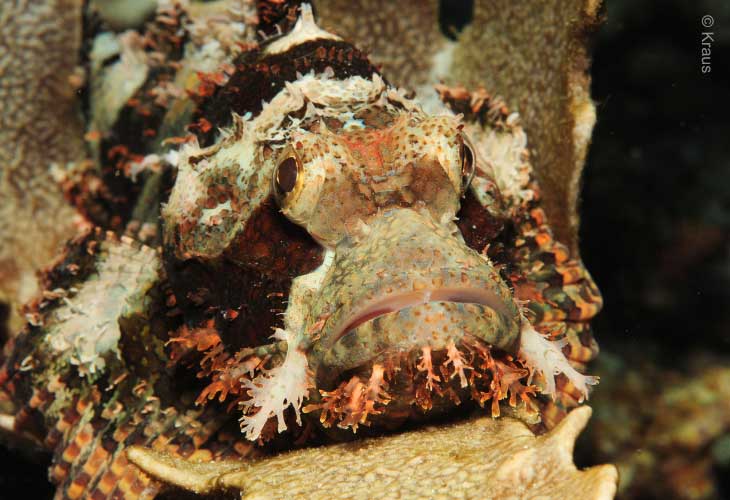
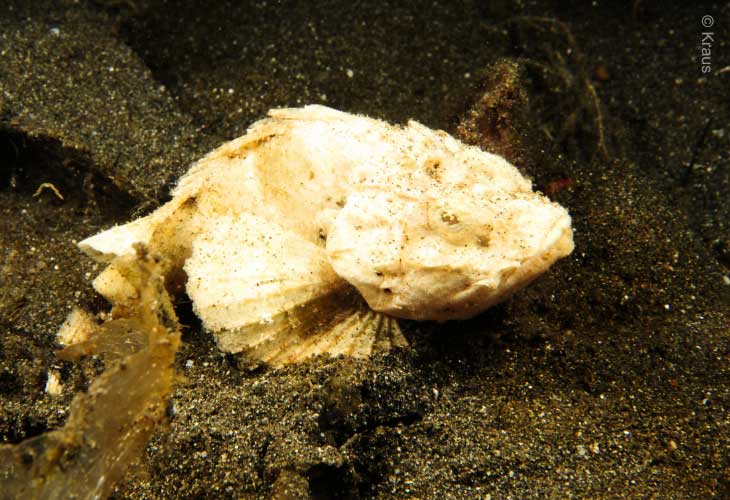
Papuan Scorpionfish (Scorpaenopsis papuensis)

This species is well-camouflaged with skin flaps and blotchy patterns, making it almost invisible on coral rubble. Found in shallow waters, it has a distinct large head and often displays reddish or brown tones. It’s common in Indonesian waters, including Bali.

Papuan-Scorpionfish

Papuan Scorpionfish (Scorpaenopsis papuensis)

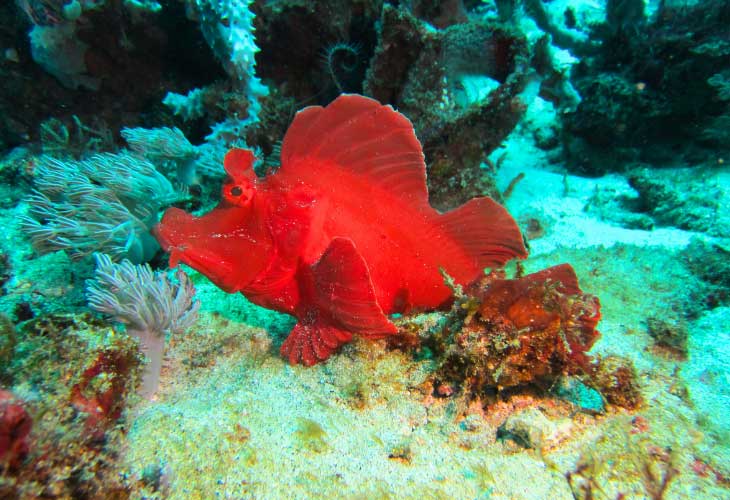
Paddle Flap Scorpionfish (Rhinopias eschmeyeri)

Rare and highly sought after by underwater photographers, this species has broad, paddle-shaped fins and soft, flowing skin appendages. Its bright red or pink colouration contrasts its reef habitat, yet its motionless behaviour helps it stay undetected.

Rhinopias-eschmeyeri

Paddle Flap Scorpionfish (Rhinopias eschmeyeri)

Devil Scorpionfish (Scorpaenopsis diabolus)

Named for its fearsome appearance, this scorpionfish has venomous spines and a stocky body. When threatened, it can expand its pectoral fins, revealing bold warning colors. Despite the name, it is non-aggressive unless provoked.

Scorpaenopsis-diabolus

Denise’s Pygmy Seahorse (Hippocampus denise)

Flasher Scorpionfish (Scorpaenopsis macrochir)

This lesser-known species has extended pectoral fins used to startle predators. It is usually well-camouflaged, hiding among rocks and debris in sandy reef zones.

Scorpaenopsis-macrochir

Flasher Scorpionfish (Scorpaenopsis macrochir)

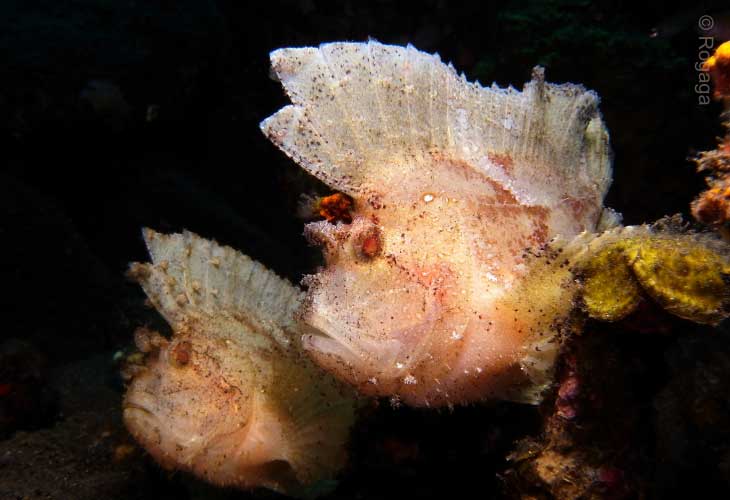
Leaf Scorpionfish (Taenianotus triacanthus)

Unlike others, this species is flat and leaf-like, often swaying with water currents to mimic debris. It comes in various colours and is commonly seen in Bali’s coral reefs.

Leaf-Scorpionfish

Leaf Scorpionfish (Taenianotus triacanthus)

By Hafid, AMD-B’s 2025 Divemaster Intern
The Difference between Pygmy Seahorses

Pygmy Seahorses and Their Unique Characteristics

by Hafid, AMD-B’s 2025 Divemaster Intern
Pygmy seahorses are among the most fascinating and elusive creatures of the underwater world. With their tiny size and remarkable camouflage, they have intrigued marine enthusiasts and scientists alike. Found primarily in the coral reefs of the Indo-Pacific, these seahorses have adapted to blend seamlessly into their surroundings, making them difficult to spot even by the most experienced divers. Below is a detailed exploration of popular species of pygmy seahorses and their distinctive features.

Hippocampus bargibanti

Hippocampus bargibanti is one of the most well-known pygmy seahorse species, first discovered in the waters of Indonesia. It has a minuscule size, measuring only about 2.5cm in length. This species is frequently found hiding within red or orange sponges, which provide perfect camouflage. Its unique ability to blend into its habitat makes it incredibly difficult to spot, despite its relatively abundant population.

Pygmy-Seahorses-Hippocampus-bargibanti

Bargibant’s Pygmy Seahorse (Hippocampus bargibanti)

Hippocampus satomiae

This species was discovered in the waters around Halmahera Island in Indonesia. It is tiny, measuring around 2cm, and often resides in brightly coloured sponges. H. satomiae is known for its body texture and colouration, which closely resemble the sponges they inhabit, providing excellent protection from predators.

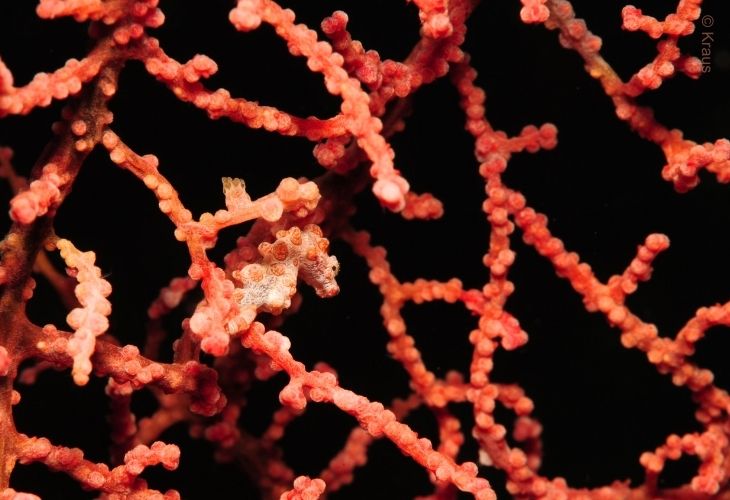
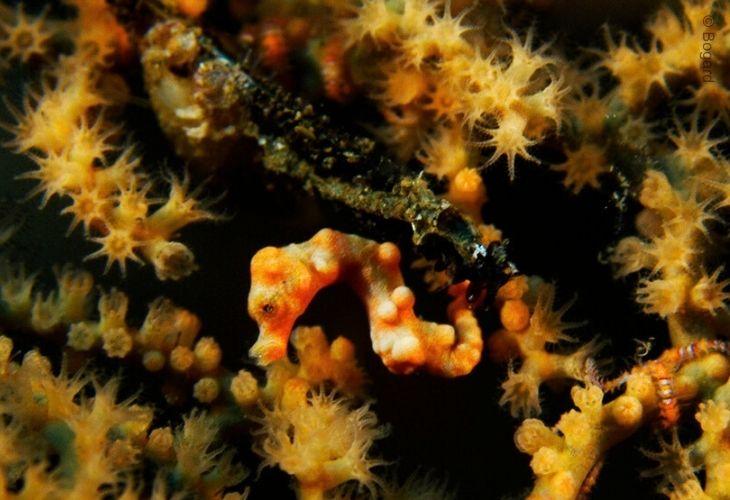
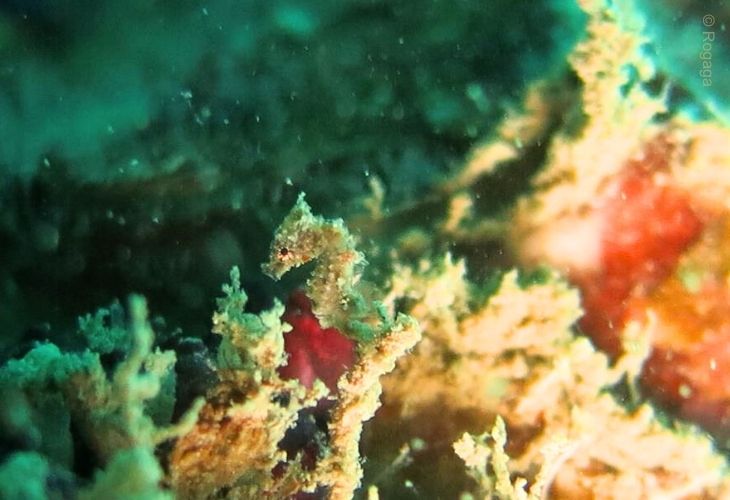
Hippocampus denise

Known as Denise’s Pygmy Seahorse, this species is even smaller than H. bargibanti, with a length of about 1.5cm. They are typically found in smaller sponges or coral reefs, often with vibrant colours like pink or orange. Found at depths between 10 and 50 meters, they have a slim, textured body, giving them a distinct appearance compared to other seahorses.

Pygmy-Seahorses-Hippocampus-denise

Denise’s Pygmy Seahorse (Hippocampus denise)

Hippocampus colemani

Found in the waters around Australia and Papua New Guinea, H. colemani is a slightly larger and fatter pygmy seahorse species. With lighter colours, they often hide in contrastively coloured sponges or corals. These seahorses prefer deeper waters, usually between 30 to 40 meters in depth.

Hippocampus pontohi

One of the smallest pygmy seahorses, H. pontohi has a body length of just 1cm. They are typically found hiding in brightly coloured sponges, particularly pink ones. Their exceptional camouflage makes them incredibly difficult to spot, even in areas frequented by divers.

Also, Hippocampus severnsi known as Severn’s seahorse is a small, rare species found in the Indo-Pacific region. Known for its distinctive appearance, it typically inhabits shallow coral reefs and seagrass beds. Like other seahorses, it feeds on small invertebrates. The H. severnsi was considered a separate species but is now recognised as a variation of the Pontohi.

Hippocampus-severnsi

Severn’s Pygmy Seahorse (Hippocampus severnsi)

The Importance of Pygmy Seahorses

Pygmy seahorses are fascinating not only for their size and camouflage but also for their role in coral reef health. All species rely on coral reefs and the shelter provided by sponges and other marine structures. Their small size and sensitivity to environmental changes make them important indicators of reef conditions.

As pygmy seahorses depend on healthy, undisturbed reefs, their presence or absence signals the reef’s overall health. With coral reefs threatened by acidification, habitat destruction, and climate change, protecting pygmy seahorse habitats is crucial for maintaining marine biodiversity. In short, pygmy seahorses are not only marvels of nature but also vital to the conservation of coral reefs and the broader marine ecosystem.