Save! Join a Scheduled Trip or Course; check our “Specials” for limited time offers; subscribe to eNews for discounts, freebies, bonus offers in Bali and Beyond.
Organize diving in Bali and throughout Indonesia for your dive club or group of friends. Our dedicated team of specialists work with travel agencies around the world.
Tulamben Drop Off Dive Site: Exploring Bali’s Iconic Wall
Located in Tulamben Bay, the Drop Off—also known as the Tulamben Wall—is one of Bali’s most rewarding dive sites. While many divers visit the area for the famous USAT Liberty wreck, this nearby wall offers a quieter and equally captivating experience.
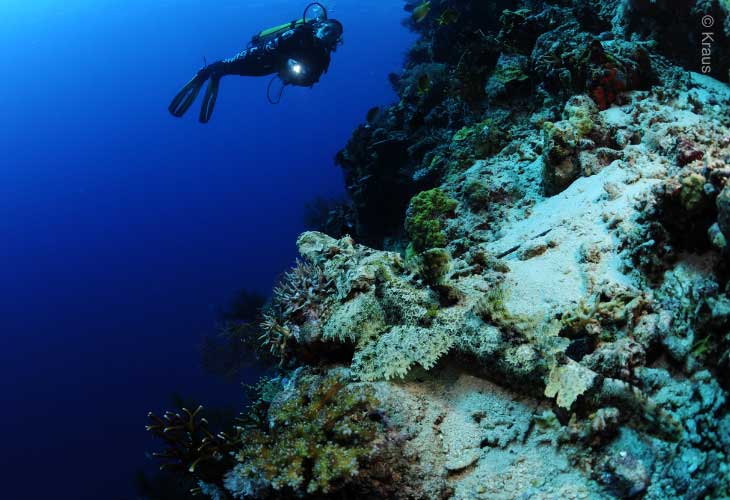
Formed by a historic lava flow from Mount Agung, the site features a mix of sandy slope, coral reef, and a dramatic vertical wall. It’s a dive that feels varied from start to finish, with something new to discover at every depth.
A Unique Underwater Landscape
The dive begins on a sandy slope where macro life is easy to spot. Nudibranchs, shrimp, and small gobies are commonly found if you take your time.
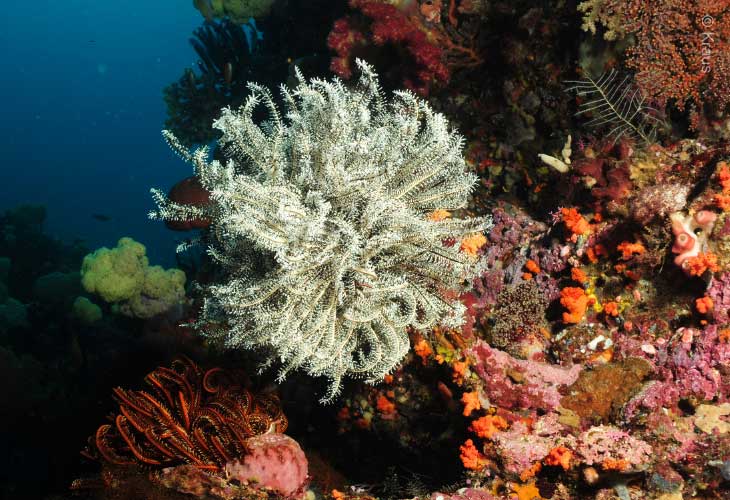
As you descend further, sponges and crinoids become more prominent, often hiding ghost pipefish and other delicate species. The reef gradually transitions into a vertical wall starting around 15 metres, dropping deep into the blue.
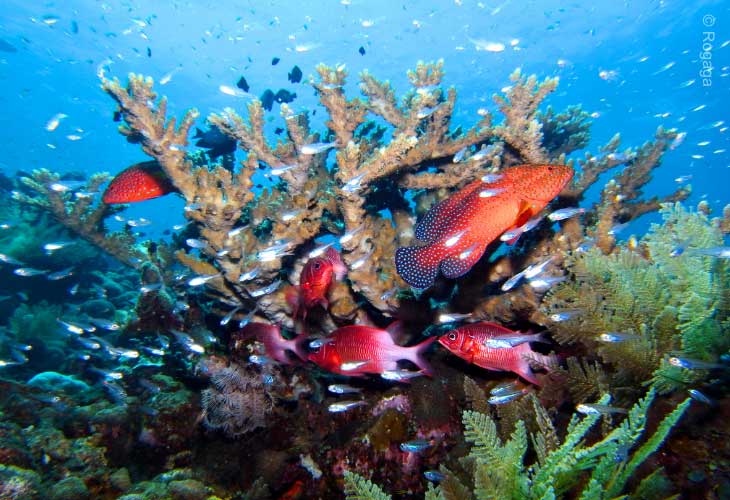
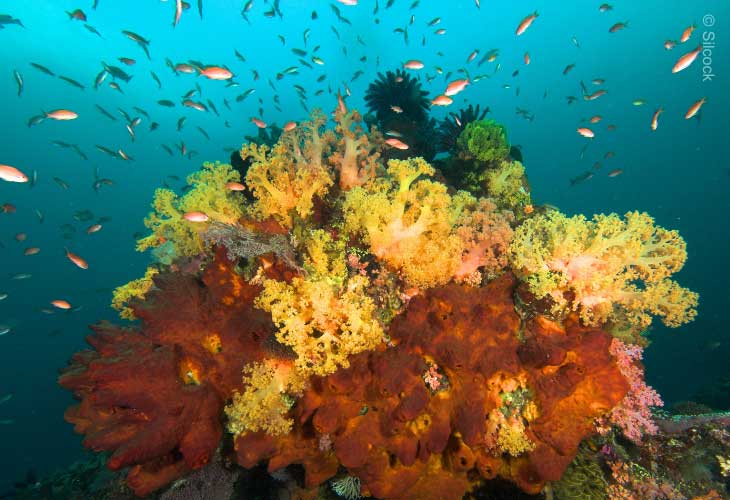
This wall is covered in hard and soft corals, black coral bushes, and large gorgonian fans, creating a colourful and textured underwater landscape.
Marine Life Highlights
The Drop Off is known for its diverse marine life, offering both macro and occasional larger encounters.
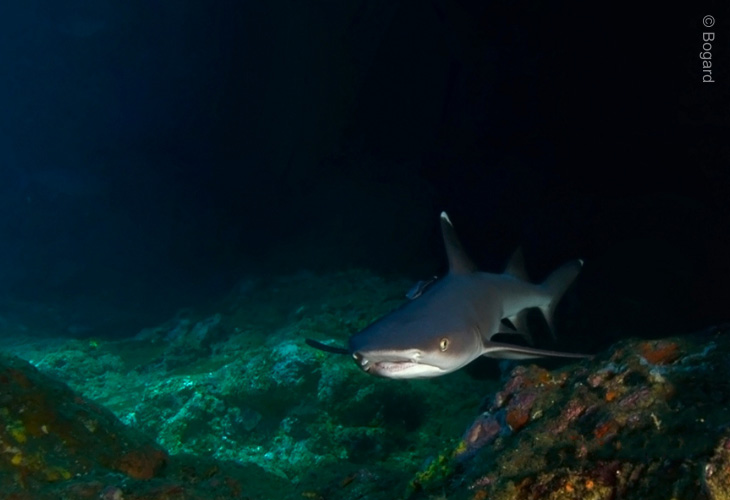
Bigger species: White-tip reef sharks, Napoleon wrasse, moray eels, and schooling fish are regularly seen.
Macro life: Frogfish, octopus, crabs, and shrimp can be found hiding among corals and crevices.
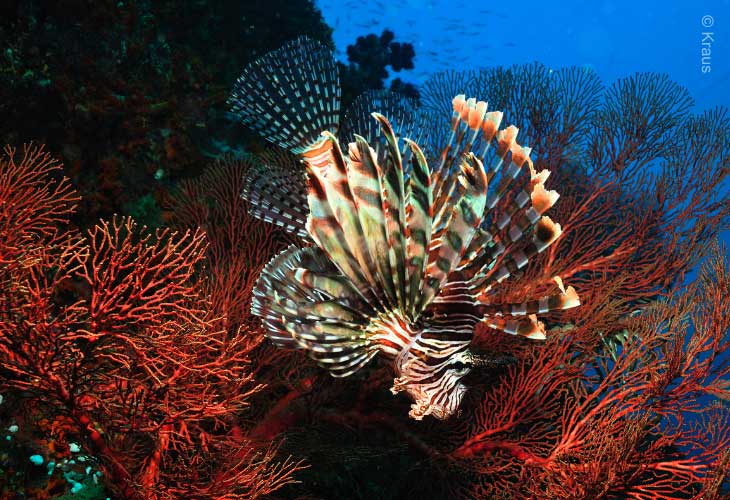
Late dives: Lionfish become more active towards the evening.
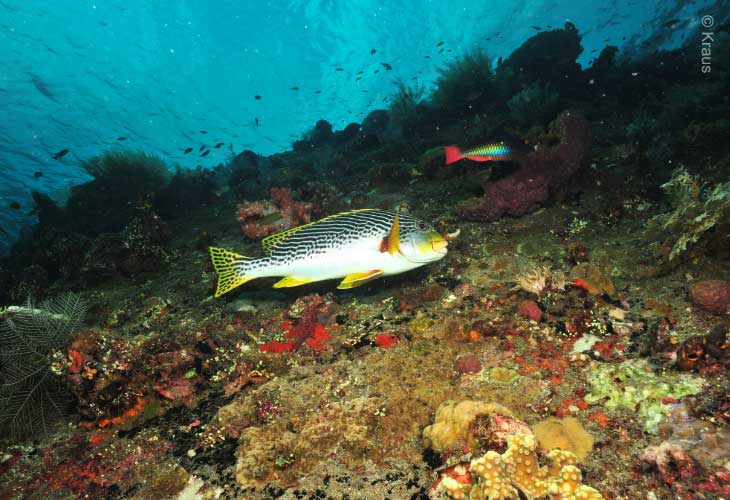
At the top of the wall, around 5 metres, the shallow “aquarium section” is full of reef fish, cuttlefish, and other small marine life—perfect for a relaxed finish or snorkelling.
Conditions & Accessibility
The Drop Off is popular for its generally calm conditions, making it suitable for a wide range of divers.
Visibility: Around 15–20 metres, best in the morning Current: Usually mild Depth: From 5 metres to deeper wall sections Access: Easy shore entry
These conditions also make it a common site for training dives, including advanced and deep dive courses.
Why It’s Worth Diving
Tulamben Drop Off offers a quieter alternative to the nearby wreck, with a balance of coral, marine life, and striking underwater scenery.
Whether you enjoy slow macro hunting or simply drifting along a colourful wall, it’s a dive that consistently delivers—without the crowds.
Coral Garden is located in the middle section of Tulamben Bay and is often referred to as the area’s house reef. The site stretches for approximately 150 metres along the shoreline and is characterised by shallow depths and generally calm conditions, making it suitable for a wide range of divers as well as snorkellers.
Depths start at around 3 metres and gradually slope down to approximately 8–12 metres. Because of this shallow profile, Coral Garden is commonly used for check dives, training dives, relaxed daytime dives, and night dives.
Coral Garden is well suited for: – beginner and student divers; – divers looking for an easy, shallow dive; – underwater photographers focused on macro life; – night diving enthusiasts.
Its central location also makes it easy to combine with nearby sites, including the USAT Liberty Shipwreck, as part of a single dive day or longer dive programme.
Reef Layout and Coral Coverage
The reef features a mix of hard and soft corals, including table corals, anemones, and sponges. Coral coverage is well established and supports a variety of marine life. An artificial reef structure has also been placed within the area, providing additional habitat for fish and invertebrates.
The seabed is mainly sandy with scattered coral patches, allowing for easy navigation and long bottom times. Visibility is generally good, and currents are usually mild.
Marine Life at Coral Garden
Coral Garden is particularly known for its macro life, making it a popular site for underwater photographers. Divers who move slowly and observe carefully are often rewarded with interesting and varied sightings.
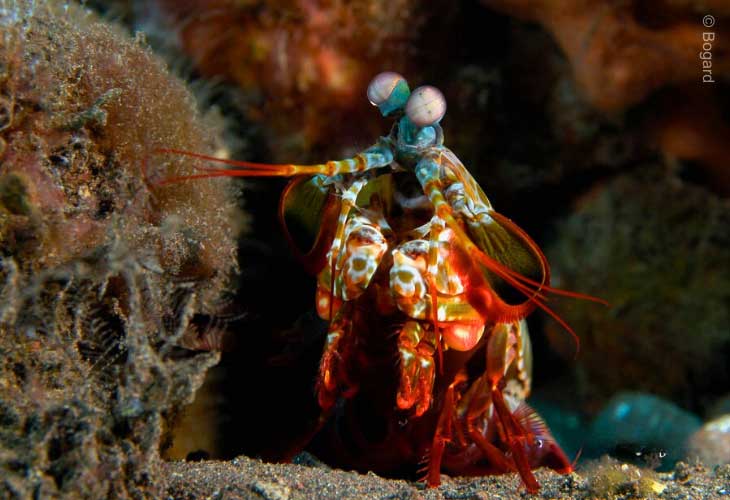
Marine life commonly encountered includes: – peacock mantis shrimp and other shrimp species, – blue ribbon eels, – nudibranchs and other small invertebrates, – cuttlefish and octopus, – frogfish and ghostpipefish.
Larger species may also be seen occasionally, including giant groupers, bumphead parrotfish, and sometimes black-tip reef sharks, especially along the deeper edges of the site.
Night Diving at Coral Garden
Thanks to its shallow depth and easy access, Coral Garden is a popular night dive site in Tulamben Bay. After dark, many nocturnal species emerge from the reef, offering a very different experience compared to daytime dives.
Divers may encounter Spanish dancers, hunting octopus, and active crustaceans. The calm conditions make this site especially suitable for divers who are new to night diving.
Manta Point: A World‑Famous Manta Ray Encounter in Bali
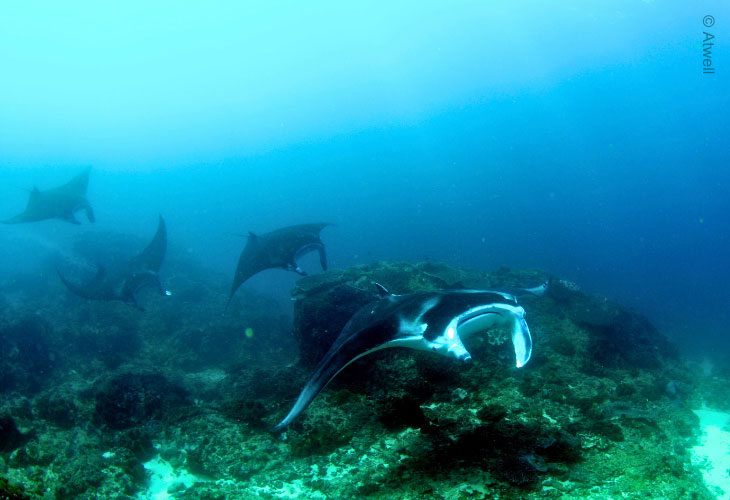
Manta Point is one of Bali’s most famous dive sites. Located off the south‑west coast of Nusa Penida, this exposed ocean site is best known for its reliable, year‑round encounters with reef manta rays (Mobula alfredi).
For many divers and snorkellers, Manta Point is a true bucket‑list experience. The main attraction happens in shallow water, where manta rays visit natural cleaning stations. Here, cleaner fish remove parasites while the mantas glide slowly overhead, often allowing long and memorable encounters.
Why Dive Manta Point
Manta Point consists of two main areas, commonly known as Manta Point I (Old) and Manta Point II (New). Both feature sandy bottoms, rocky outcrops, and coral bommies that attract cleaning fish.
Because of this, manta rays return regularly. It is common to see several mantas at the same time, including both juveniles and large adults with impressive wingspans. Encounters are often calm and extended, making this site ideal for underwater photography.
Marine Life Highlights
Although manta rays are the main draw, Manta Point also offers a variety of other marine life.
Divers may see: – Reef manta rays at the cleaning stations – Blue‑spotted stingrays resting on the sand – White‑tip reef sharks and nurse sharks – Schools of trevally, tuna, and mackerel – Octopus, cuttlefish, and pufferfish among the rocks
Marine life can vary with visibility and swell. However, manta sightings remain consistently strong throughout the year.
Dive Conditions at Manta Point
Manta Point is generally an easy to moderate dive. However, surface conditions can sometimes be challenging due to its open‑ocean location.
– Depth: Cleaning stations at 5–10 metres; maximum depth around 18 metres – Visibility: Variable and influenced by swell and plankton – Water temperature: Typically 22–26°C, often cooler than other Bali sites – Currents: Usually mild near the cleaning stations, with possible surge
As most activity takes place shallow, divers can enjoy long bottom times while observing natural manta behaviour.
Suitable for Divers and Snorkellers
Thanks to the shallow cleaning stations, Manta Point is suitable for both certified divers and snorkellers, when conditions allow.
For divers, Open Water certification is usually sufficient. Good buoyancy control is essential to avoid disturbing the mantas or damaging the reef. Snorkellers should be comfortable in open water and follow the guide’s instructions at all times.
Best Time to Dive Manta Point
One of the key advantages of Manta Point is that manta rays are present year‑round. Sightings are not seasonal, unlike mola mola encounters elsewhere around Nusa Penida.
Sea conditions do vary: – Early morning dives often have calmer seas – Strong swell or weather may occasionally prevent access
Your AquaMarine’s guide will always assess conditions carefully before the dive.
Diving Manta Point with AquaMarine Diving - Bali
Manta Point is often included in day‑trip dive itineraries to Nusa Penida. It is commonly combined with sites such as Toyapakeh, SD, or Crystal Bay, depending on conditions.
At AquaMarine Diving – Bali, we focus on responsible manta interactions. All guests receive a detailed briefing to ensure minimal impact on these gentle animals and their cleaning stations.
If diving with manta rays is on your wish list, Manta Point offers one of the most memorable underwater experiences in Bali.
Quick Facts – Location: South‑west Nusa Penida – Signature species:Reef manta rays (Mobula alfredi) – Experience level: Open Water diver or confident snorkellers – Highlight: Shallow, long‑lasting manta encounters