


Mining Waste Threat for Coral Reef

Mining Waste Threat for Coral Reef

Coral reefs are among the most vital and diverse marine ecosystems on Earth, often referred to as the “rainforests of the sea.” They support over 25% of all marine species, provide food and income for millions of people, and serve as natural barriers that protect coastlines from erosion and storm surges. Despite their importance, coral reefs face a growing and often overlooked threat — pollution from mining waste.
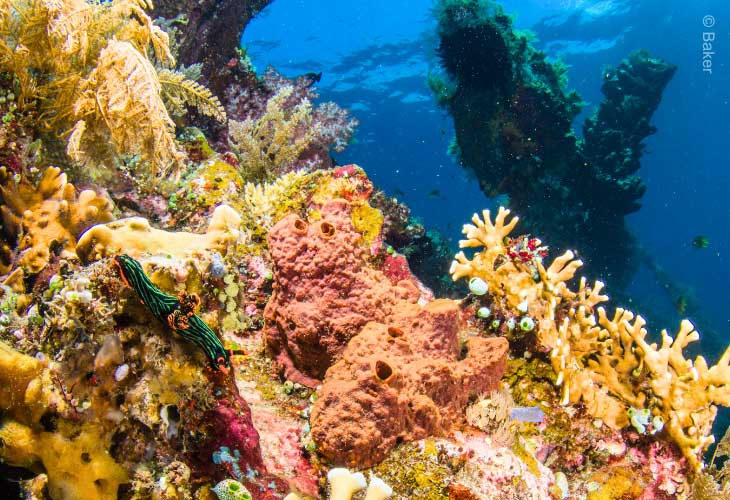
Coral-Reefs-Rainforests-of-the-Sea

Sedimentation from Mining Operations

One of the most direct threats posed by mining is sedimentation. Land-based mining activities often release large amounts of fine particles into nearby rivers and coastal waters. These sediments increase water turbidity, blocking sunlight that corals need to survive. Without adequate light, the symbiotic algae (zooxanthellae) living inside coral tissues cannot photosynthesise, leading to coral stress, bleaching, and eventually death.

Deep Sea Tailings Disposal (DSTP)

Some mining companies use a method called Deep Sea Tailings Placement (DSTP), in which mine waste is dumped directly into the ocean. While this practice is intended to reduce land-based pollution, it introduces toxic materials into deep-sea environments. These pollutants can eventually resurface or migrate to shallower areas, causing widespread damage to coral reefs and other marine ecosystems.
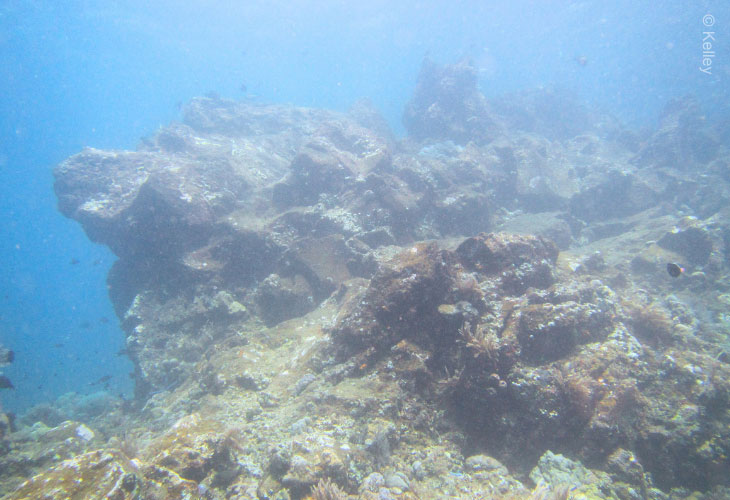
Mining-Waste-Damage-Coral-Reefs

Toxic Heavy Metals

Mining waste frequently contains harmful heavy metals such as mercury, arsenic, lead, and cadmium. These substances can accumulate in coral tissues and other marine organisms, disrupting biological functions and poisoning the marine food web. In severe cases, entire reef ecosystems may become uninhabitable for fish and invertebrates.

Impact on Local Communities

The damage caused by mining waste extends beyond the marine environment. Coastal communities and fisherfolk often suffer from declining fish stocks, contaminated seafood, and reduced income from tourism. As coral reefs degrade, these areas also become more vulnerable to coastal storms due to the loss of natural wave barriers.

Protecting coral reefs from mining pollution requires urgent and coordinated action. Key measures include stricter regulation of mining operations, better waste management, continuous environmental monitoring, and the rehabilitation of damaged marine areas. Saving coral reefs is not only crucial for marine biodiversity — it is essential for the food security, livelihoods, and coastal protection of millions around the world.
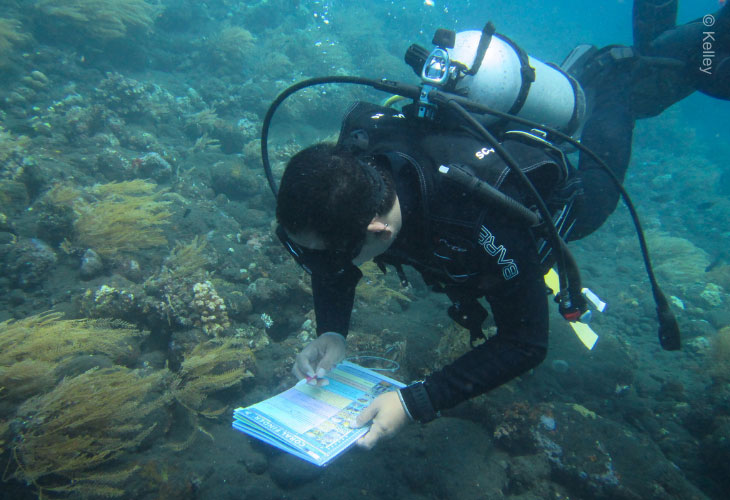
Protect-Coral-Reefs

By Hafid, AMD-B’s 2025 Divemaster Intern
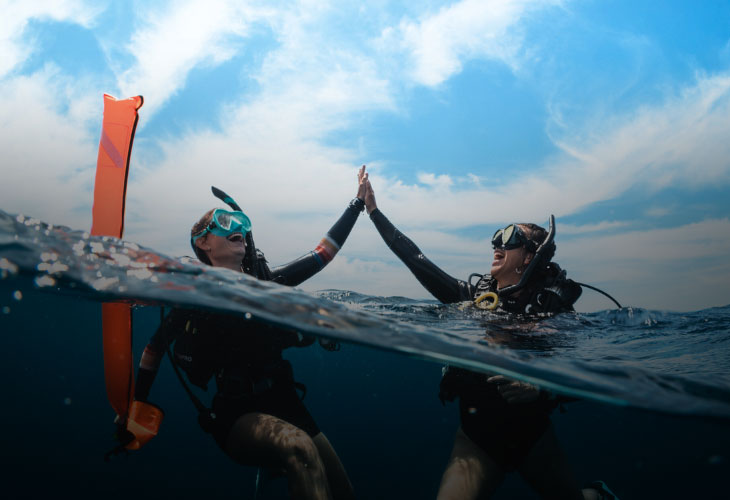
PADI Women’s Dive Day 2025

Celebrating Women in Diving

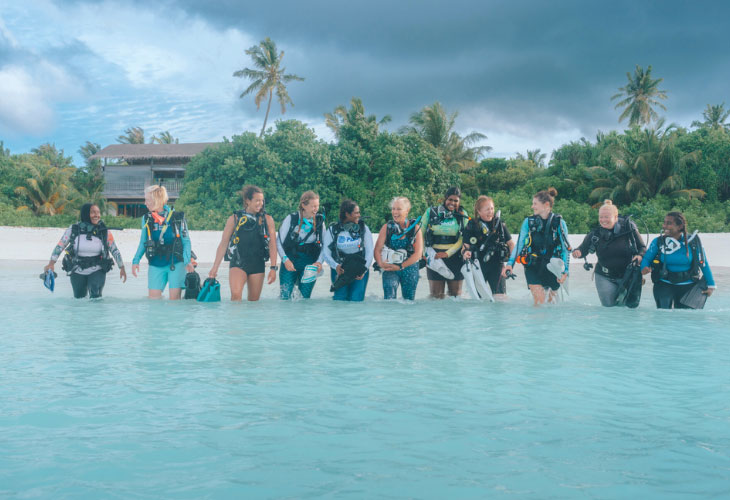
PADI Women’s Dive Day is not just a day—it is a global celebration of the ocean and the women who dive into it with passion, purpose, and perseverance. Held every July, this initiative unites thousands of divers around the world to celebrate diversity and create a more inclusive dive community.

PADI Women’s Dive Day has grown into one of the largest global days of diving. But more than that, it has become a platform for environmental action, connection, and empowerment.

Let’s explore why this day matters, and how you can be a part of it.

Dive with Purpose

Women in diving are as diverse as the reefs we explore—spanning all ages, backgrounds, and experience levels. PADI Women’s Dive Day fosters a sense of belonging in a sport that historically had more male representation. Whether you are diving in Bali, Florida, or the Red Sea, this event is about making friends, sharing stories, and supporting each other underwater and on land.

It is also a space for mentorship. Seasoned divers can inspire beginners. Dive professionals can share their journeys. And together, we build a stronger, more supportive dive community.

PADI-Women-Dive-Day

Highlight Women’s Achievements

From underwater photographers to marine scientists, dive instructors to conservationists, women continue to play a powerful role in the dive industry. PADI Women’s Dive Day celebrates their achievements and raises awareness of the challenges women may still face in the diving world.

Many events include talks or exhibitions featuring female divers who are breaking boundaries and leading marine protection efforts.

How You Can Join

Anyone can take part in PADI Women’s Dive Day. You do not need to be a woman, or even a certified diver yet. All that’s required is a love for the ocean and a willingness to dive in—literally or figuratively.

Find an event near you through your local dive centre or the PADI website. Or, create your own celebration: gather your dive buddies, plan a dive, share your story online, or even just commit to taking care of your local coastline.

Women-in-Diving

Every Dive Counts

PADI Women’s Dive Day is more than a calendar date—it’s a movement. A movement to elevate voices, break barriers, and build a more inclusive underwater world. Whether you’re diving deep or just starting your journey, your presence matters.

Join the wave. Celebrate with us. And dive into a brighter, more connected future.

By Alfari, AMD-B’s 2025 Divemaster Intern

Ambon Island

Ambon

Ambon, offers one among many remotest dive sites in Indonesian Archipelago. In history, this place is famously known as the heart of spice trade hence the nickname Spice Island.

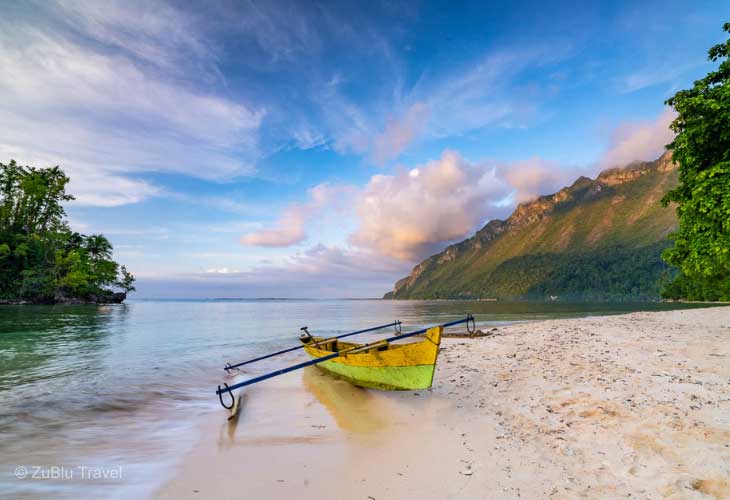
Nowadays, Ambon is more familiar as a white sandy beach with pristine corals and abundant marine lifes. If you are a muck diving enthusiast, this destination is worth to visit. Although, Ambon’s underwater world are not limited only to muck diving. For a more variety of dive sites, Banda sea is usually combined and be explored together through liveaboard trips.

Ambon-Diving

Dive Sites

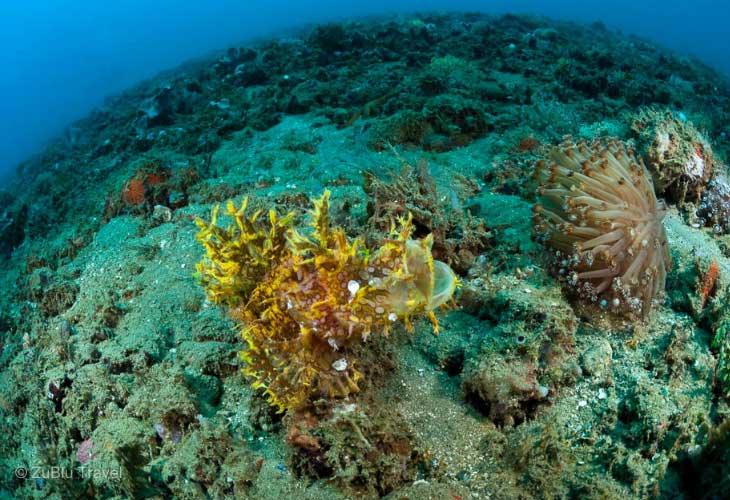
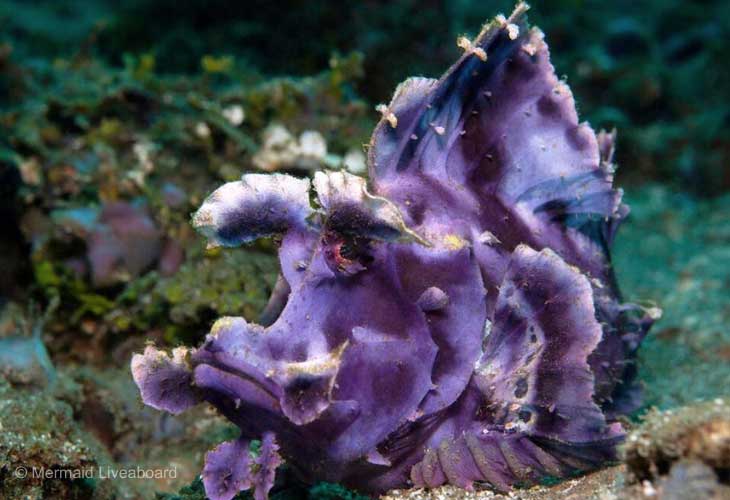
Taking a closer look on what Ambon has to offer in terms of its speciality, Twilight Zone is one of the most popular. It is a home to ghostpipefish, rhinophias, frogfish, crustaceans, seahorses, octopus, and of course nudibranchs. Other dive site like Middle Point is also worth a shot being a home to many more amazing species including the rare Halimeda Ghostpipefish.

Further to the southern part of the island, Ambon presents great wall/reef diving. The underwater archway at Pintu Kota is a home to gorgonians and sea fans. If you wish to squeeze in a bit variety in your muck diving schedule, you could visit the Duke of Sparta Wreck close to Ambon harbour.

Ambon Diving Season

Ambon is hot and humid like many other tropical place in Indonesia. In general the dry season where less rain is expected lies within mid-September to April. This is when the visibility tends to be great.

If you are asking for the best time, we would recommend October to December. Avoid visiting in June-August because this is where the heavy rainfall and strong winds affect your diving agenda. Since the visibility and condition is extremely bad during this time, many dive resorts are closed for maintenance so make sure you check with your Dive Travel Consultant at Tours@AquaMarineDiving.com for the best arrangement possible.

Twilight-Zone-Dive-Sites

How to reach Banda

As most of international flights landed in Jakarta or Bali, you can fly to Ambon from either one. Some flights to Ambon from Jakarta usually take a stop in Manado. If you are looking for say a month muck diving safari, you could do approximately a week each in BaliLembeh – Ambon. Just a thought 🙂

Boasting its underwater world, Ambon has pretty much less to do inland but it is worth to mention here that perhaps you would like to get a few pictures of the town to complete your visit. Natsepa Beach is within a short ride from the city – take a stop along the roadside and have a taste of the sweet and tangy local Rujak (fruits with peanut sauce). You can also visit the traditional market for fresh vegetables and fruits, maybe do some spice trade? 🙂
If you still have time to spent for the day, make sure to visit The World Peace Gong and Christina Tiahahu Statue.

Considering Ambon can be a bit remote compared to other places in Indonesia, be sure to let your Dive Travel Consultant at AMD-B aware of your needs. As always, they will be more than happy to make some recommendation and arrangements that may suit your preference.

Indonesia-Ambon-Diving

Diving at Ambon

Click below for more Indonesia’s Diving Information: