


Organic Waste Impact

The Hidden Impact of Organic Waste on Marine Ecosystems

When discussing marine pollution, plastic waste often receives the most attention. However, organic waste—originating from households, agriculture, industries, hotels, and resorts—also plays a significant role in affecting ocean health, often in less visible but equally damaging ways.

Unlike plastic, which mainly causes physical harm to marine life, organic waste affects the marine environment through chemical and ecological processes. Because it is less visible and harder to detect—especially in areas without consistent monitoring—its impact can go unnoticed until the damage becomes more serious. In coastal regions and island destinations, where waste management systems can be under pressure, this issue becomes even more relevant.

Organic-Waste

How Organic Waste Affects the Ocean

Organic waste is typically rich in nutrients such as nitrogen and phosphorus. When these nutrients enter marine ecosystems, they can trigger a process known as eutrophication, where excess nutrients fuel the rapid growth of algae and other marine organisms.

At lower levels, this can lead to macroalgae overgrowth, which competes with coral reefs for light, space, and nutrients. Over time, this competition can weaken coral health, reduce reef resilience, and limit the diversity of marine species that depend on these ecosystems.

At higher levels, eutrophication can result in the formation of “dead zones”—areas with very low oxygen levels where most marine life cannot survive. These conditions occur when large amounts of algae die and decompose, consuming oxygen in the process. As oxygen levels drop, fish and other marine organisms are forced to leave the area or may not survive.
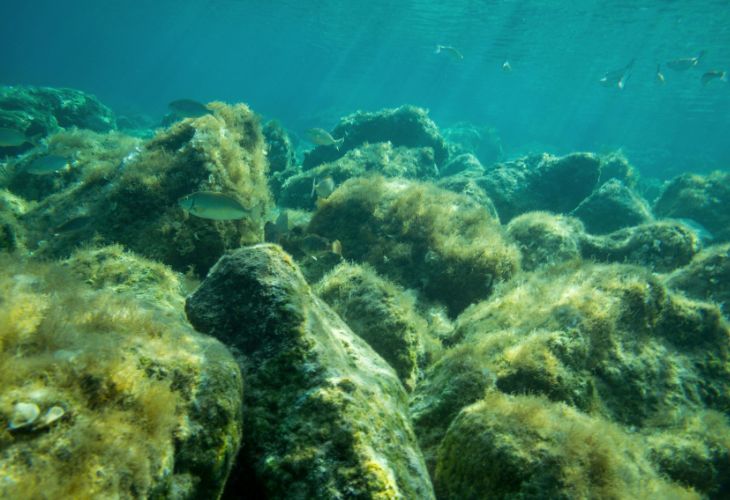
Substrate-Covers-with-Algae

What Can Be Done?

Reducing the impact of organic waste requires both individual and collective action. Simple steps such as minimising food waste, adopting composting practices, and reusing greywater for irrigation can help reduce the amount of organic material entering waterways.

At the same time, effective waste management systems are essential. Proper segregation at source, reliable collection, and appropriate treatment of organic waste can significantly reduce the risk of nutrient pollution reaching the ocean. For businesses such as hotels and resorts, implementing sustainable waste practices can make a meaningful difference, particularly in coastal environments where the connection between land and sea is immediate.
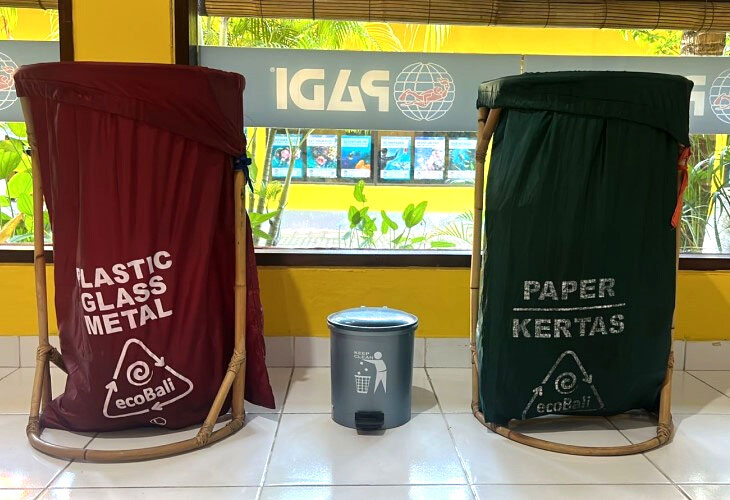
Waste-Management-Waste-Bins

By Fahmi, AMD-B’s 2024 Divemaster Internship
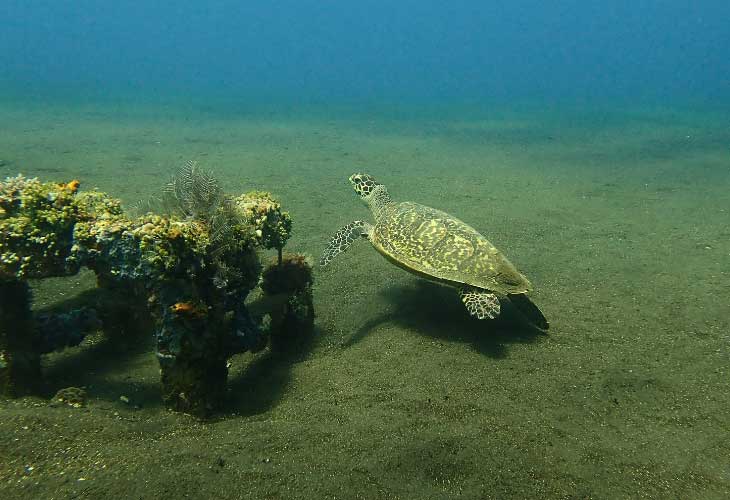
How Artificial Reefs Support Marine Life

Artificial Reefs: How They Support Marine Life

Artificial reefs play an increasingly important role in supporting marine ecosystems as natural coral reefs face growing environmental pressure. These human-made structures are placed on the seafloor to create new habitats where marine organisms can live, grow, and thrive. Built from materials such as concrete, steel, or decommissioned ships, artificial reefs help restore balance in areas where natural habitats have declined.

Creating New Habitats in the Ocean

Natural coral reefs around the world are threatened by climate change, pollution, and human activities. Because of this, artificial reefs provide alternative habitats that help marine species survive and adapt.

Once installed, artificial reefs quickly attract marine life. Fish, crustaceans, and other organisms use the structures as shelter from predators and strong currents. Over time, these habitats increase biodiversity by supporting a wide variety of species within a concentrated area.

Artificial-Reefs-Support-Marine-Life

How Artificial Reefs Develop into Ecosystems

Artificial reefs develop gradually through natural ecological processes rather than becoming ecosystems instantly.

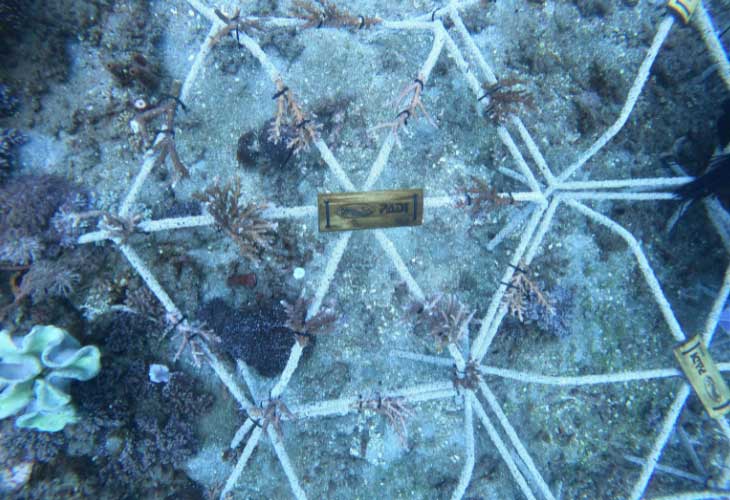
At first, small fish and invertebrates gather around the structure for protection. Soon after, algae and microorganisms begin growing on the surfaces. As conditions stabilise, corals, sponges, and other reef-building organisms attach themselves and expand.

Eventually, artificial reefs transform into complex ecosystems. These communities provide food sources, breeding grounds, and shelter, allowing marine populations to grow naturally.

Supporting Fisheries and Sustainable Tourism

Artificial reefs also support local fisheries by increasing fish populations in targeted areas. When managed responsibly, this can contribute to more sustainable fishing practices.

Additionally, artificial reefs attract divers and snorkellers who want to explore unique underwater environments. This reduces pressure on fragile natural reefs while still allowing people to experience marine biodiversity responsibly. For coastal communities, this creates both ecological and economic benefits.

AMD-B’s-Complete-Installation

Challenges and Responsible Reef Design

Despite their benefits, artificial reefs must be carefully designed and managed. The materials used need to be non-toxic, durable, and environmentally safe. Poor planning can harm marine habitats instead of helping them.

Proper placement is essential so artificial reefs complement existing ecosystems rather than disrupt natural reefs. Regular monitoring ensures the structures function as intended, and maintenance may be required to remove debris or prevent damage.

A Valuable Tool for Ocean Conservation

Artificial reefs demonstrate how thoughtful human intervention can positively support marine environments. By creating habitats, encouraging biodiversity, and supporting sustainable tourism and fisheries, artificial reefs strengthen ocean ecosystems.

Although they cannot replace natural reefs, artificial reefs remain valuable tools in marine conservation, providing marine life with new spaces to grow while helping protect the oceans for future generations.

By Fahmi, AMD-B’s 2024 Divemaster Internship
Light Pollution

Light Pollution: Why Darkness Matters in the Ocean

For millions of years, marine life has followed natural light cycles. Sunlight, moonlight, and darkness guide feeding, migration, and reproduction.

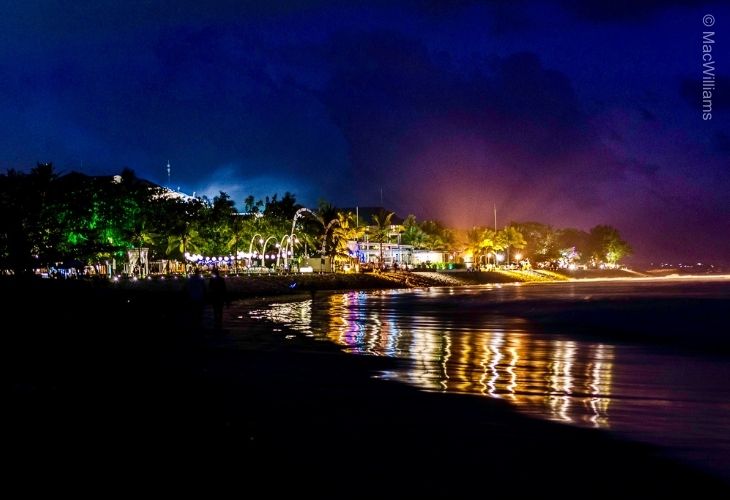
Today, artificial light from coastal cities, resorts, ports, boats, and offshore facilities reaches areas of the ocean that should remain dark. This is known as light pollution in the ocean.

Although it is easy to overlook, light pollution disrupts marine ecosystems just as seriously as other forms of pollution.

Light-Pollution-in-the-Ocean

How Light Pollution Affects Marine Life

Artificial light penetrates the water column and alters natural behaviour at every level of the ecosystem.

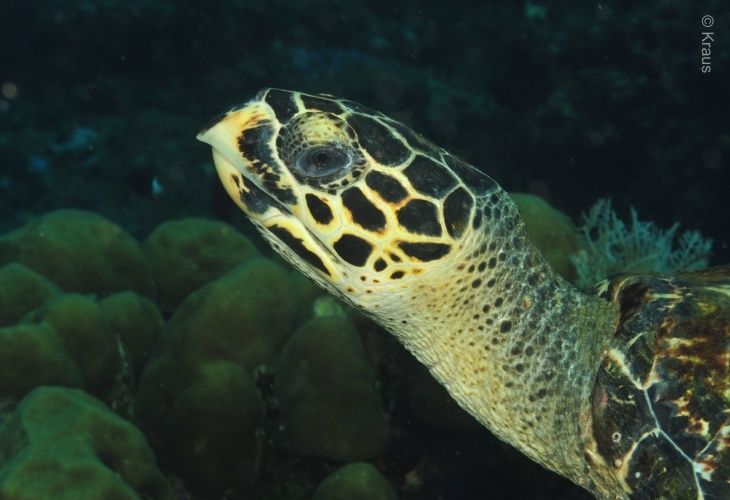
Sea turtle hatchlings rely on moonlight to reach the sea. Artificial lighting can disorient them and lead them inland. Many fish and plankton species follow nightly migration patterns. Bright light interferes with these movements and reduces feeding success.

Predators such as manta rays and sharks also rely on darkness. Excessive light removes their natural hunting advantage or draws them into unsafe areas. Over time, light pollution can reduce biodiversity, especially in sensitive coastal zones.

Sea-Turtle-Bali

Light Pollution and Diving Practices

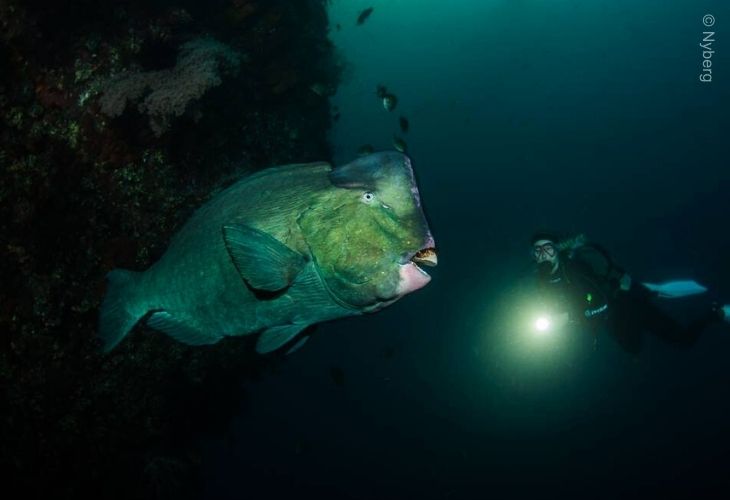
Night diving requires artificial light, but careless use can disturb marine life. Bright dive lamps and boat lights can stress fish, attract plankton unnaturally, and disrupt nocturnal behaviour.

Divers can reduce their impact by using low-intensity lights, avoiding direct illumination of animals, and limiting the time spent lighting a single subject. Minimising unnecessary boat lighting near dive sites also helps preserve natural conditions.

Night-Dive-Tulamben-Bay

Why Light Pollution Matters

Darkness is essential for healthy marine ecosystems. When it is lost, food chains shift, reproduction declines, and biodiversity suffers.

For divers, protecting darkness means protecting the underwater environments we explore.

Simple actions make a difference:
– Use shielded coastal lighting
– Reduce light intensity near turtle nesting beaches
– Apply responsible lighting during night dives
– Adjust boat lights to limit sea surface glare
– Educate divers and visitors about light pollution

Conclusion: Light pollution in the ocean is a silent threat. The sea needs darkness as much as it needs sunlight. By using artificial light responsibly, divers and coastal communities can help protect marine life and preserve the natural balance of the ocean 🌊

By Hafid, AMD-B’s 2025 Divemaster Internship