


Mola-Mola and Manta Dive Site

Discovering the Mola-Mola and Manta Dive Site

If you’re planning a diving trip to Bali and hoping to witness both the Mola-Mola (Ocean Sunfish) and the magnificent manta rays, this is the dive site you can’t miss. The combination of rare pelagic sightings, vibrant reef diving, and Bali’s stunning underwater scenery makes this one of the island’s most bucket-list experiences.

📅 Best Season to Dive with Mola-Mola and Manta Rays

Mola-Mola (Ocean Sunfish): Best spotted between July and mid-November, when they rise from the deep for cleaning.

Manta Rays: These graceful giants can be found all year round, especially around Nusa Penida.

📍 Top Dive Locations

Crystal Bay & Blue Corner – great for spotting both Mola-Mola and thrilling drift dives.
Batu Abah (Vertigo Point) – often attracts pelagic species, with dramatic underwater landscapes.
Manta Point I & II – year-round manta encounters at cleaning stations.
Toyapakeh – coral reefs with occasional pelagic sightings.
Malibu Point – relaxed drift dives with schools of fish and occasional sunfish.
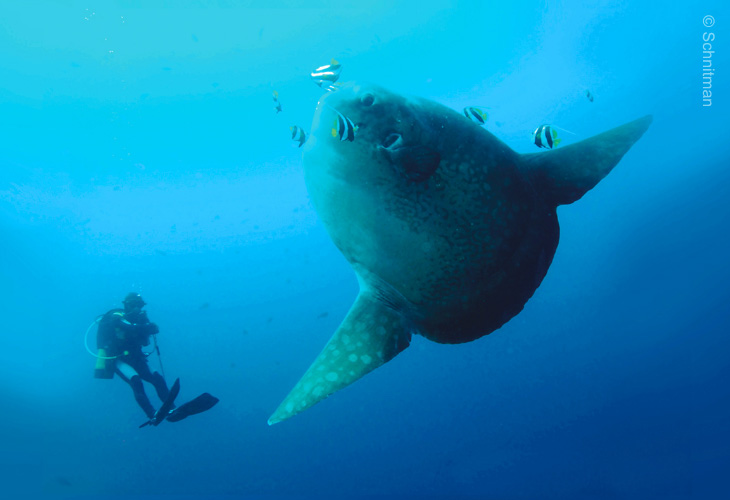
Mola-Mola-&-Manta

🌟 Why Divers Love This Site

Unforgettable Encounters – rare chance to see Mola-Mola and manta rays in one trip.

Varied Dive Experiences – cleaning stations, drift dives, and reef exploration in one outing.

Conservation Focus – AquaMarine offers the PADI Manta Ray Awareness Speciality, deepening diver knowledge about manta biology and sustainable practices.

✅ Codes of Conduct for Divers

To ensure safe and respectful encounters, divers are expected to follow clear guidelines. When approaching Mola-Mola, it is vital not to chase, touch, or block their path. Divers should keep a respectful distance, maintain proper buoyancy control, and allow the fish to settle naturally at cleaning stations. Similarly, manta rays should be approached calmly, without the use of sudden flashes or disruptive movements.

Before beginning your Mola-Mola & Manta dive in Bali, it’s essential to follow AquaMarine’s Code of Conduct to protect these gentle giants. The Ocean Sunfish rely on cleaning stations where reef fish remove parasites critical to their health. By keeping a respectful distance and avoiding disturbance, divers allow the Mola-Mola to settle for longer periods, resulting in healthier fish and far more rewarding encounters, with extended opportunities to observe their natural behaviour.
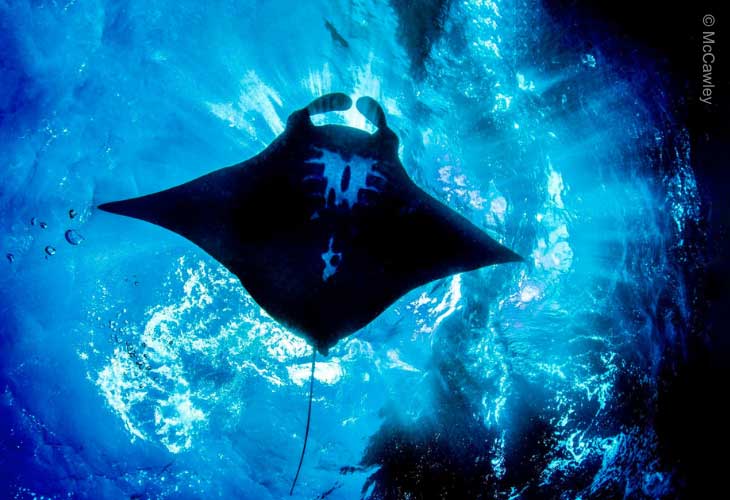
Mola-Mola-and-Manta-Dive-Site

🌏 Why This Dive Belongs on Your Bucket List

The Mola-Mola & Manta dive site in Bali is a dream come true for underwater enthusiasts. With the right timing, guidance, and respect for the ocean, you’ll experience one of the most awe-inspiring marine encounters in the world.

Pro Tip: Book your dives with experienced operators who prioritise conservation and safety. This way, you’ll not only get the best chance to see these giants but also help protect Bali’s fragile marine ecosystem.

Mola-Mola and Manta Dive Site

Click below for more Bali Diving Information:
AWARE Week 2025

AWARE Week: A Floating Tank, a Dirty Beach, and the Power of Small Actions

When we think of ocean pollution, we picture plastic bottles, straws, maybe the occasional food wrapper. But what if I told you we once found a massive black water tank drifting miles offshore—something that belongs in a backyard, not the open sea?

This AWARE Week, I didn’t just hear about marine pollution—I lived it. And it reminded me that small actions for the ocean really can ripple into something big.

A-Floating-Tank

🚤 A Giant Surprise in the Middle of Nowhere

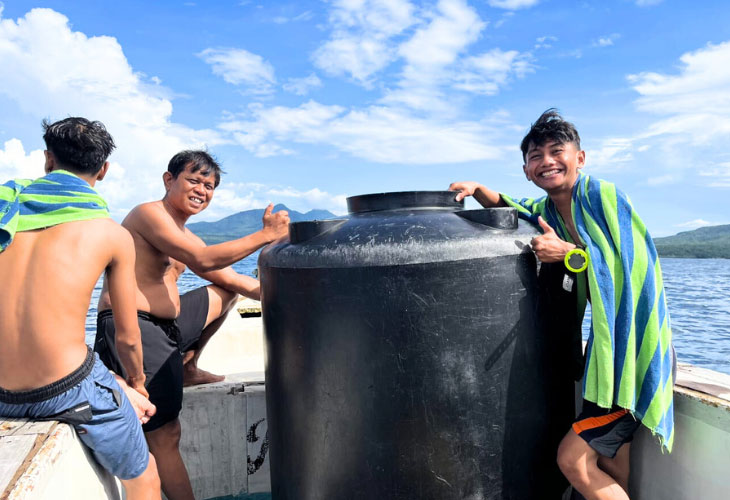
It started like any other dive trip. Calm seas. Blue skies. Good friends. We were cruising along when something caught our eye—a huge black shape bobbing on the horizon.

We got closer and stared in disbelief: a full-sized water tank—the kind used on land to store clean water—was floating freely in the middle of the ocean.

It was surreal. How did it get here? Where did it come from? But those questions could wait. We had a problem on our hands. The tank was large enough to smash into coral reefs, trap marine life, or damage passing boats. We knew we couldn’t leave it behind.

💪 The Ocean Clean-up We Didn't Plan For

It took teamwork, rope, muscle, and sheer determination, but we managed to haul that beast of a tank out of the water and onto our boat. It wasn’t glamorous—but it felt incredible. We knew we had just removed a real threat from the ocean.

But here’s the kicker: that tank shouldn’t have been there in the first place. It was a floating symbol of everything wrong with how waste ends up where it doesn’t belong.

The-Ocean-Clean-up

🏝️ The Beach That Looked Perfect—Until It Wasn’t

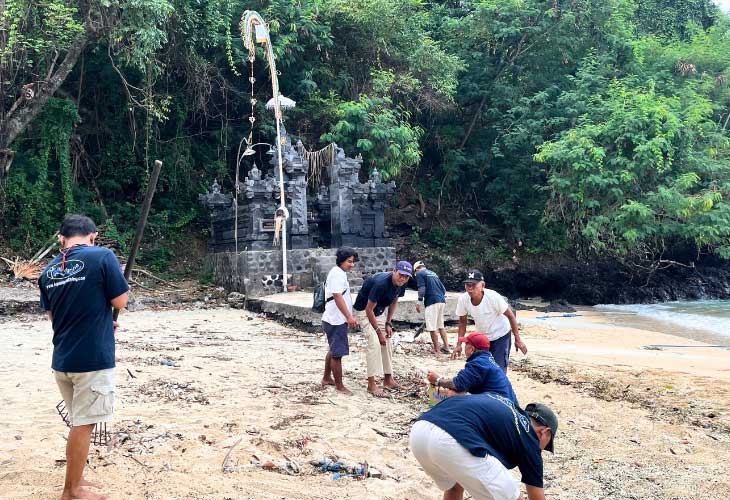
Later, we took part in a local beach clean-up. From a distance, the beach looked like paradise—framed by lush trees and crowned with a peaceful seaside temple.

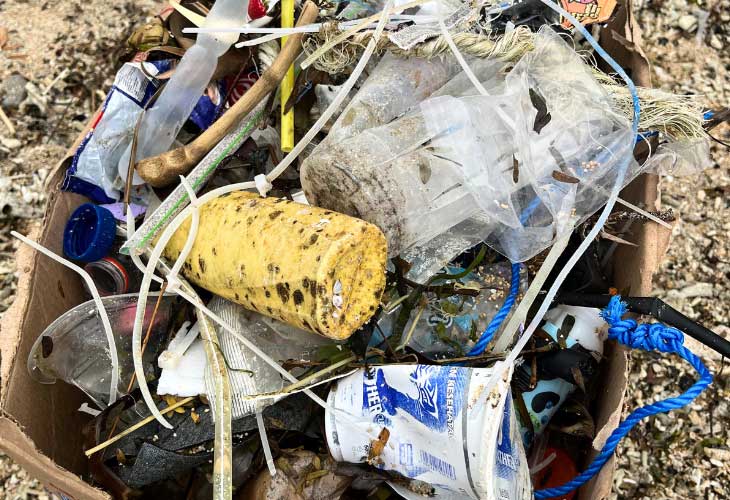
But take a few steps closer, and the illusion shattered. Bottles, broken wood, faded plastic bags… scattered like confetti after a forgotten party.

Side by side with local volunteers, we got to work. We picked up trash, sorted recyclables, and cleared driftwood. As the trash bags filled, something unexpected happened: a feeling of unity, of shared purpose. This wasn’t just a clean-up. It was a restoration.

🌱 Small Actions for the Ocean = Big Results

Two very different clean-ups—one at sea, one on land—but the message was the same: every little effort matters.

You don’t need to be a diver or marine biologist to help. You can:

• Say no to single-use plastics
• Use your own water bottle
• Pick up trash on your next walk
• Join a local clean-up—even for 30 minutes
• Share stories like this one to raise awareness

These are small actions for the ocean, but they add up. Trust me—I’ve seen it with my own eyes.

Small-Actions-for-the-Ocean

🌍 Let’s Make AWARE Week an Everyday Thing

The ocean gives us so much: oxygen, food, wonder, life. It’s not just a scenic backdrop. It’s a vital part of our planet—and it’s hurting.

So this AWARE Week, I’m inviting you to do more than scroll past another post. Do something. Anything. Because when we act together, our small choices become a powerful movement.

Let’s protect what we love—not just for AWARE Week, but for every week.

🧭 Ready to Take Action
Start here:
✅ Join Blue Project by AMD-B
✅ Bring your own bag, bottle, and straw
✅ Talk to friends about ocean protection
✅ Follow #AWAREWeek and share your own small action
The ocean is calling. Will you answer?

By Alfari, AMD-B’s 2025 Divemaster Internship

The Gili Islands

Gili Islands: Your Ultimate Island Escape

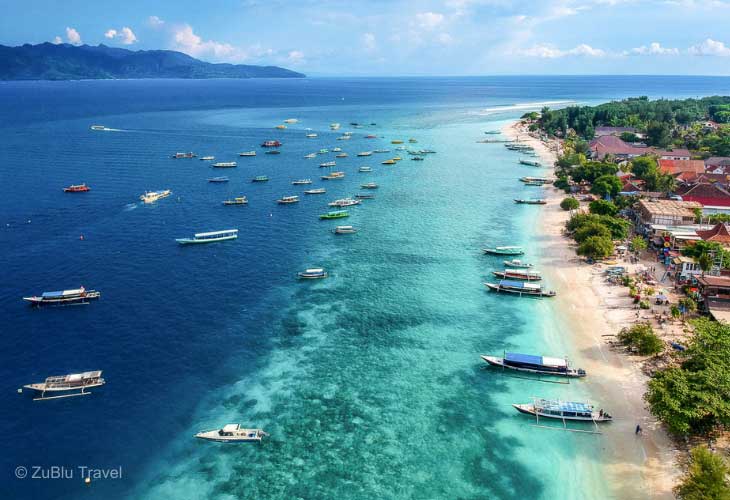
Just off the north-west coast of Lombok, Indonesia—and a short hop from Bali—you’ll find three idyllic islands that feel like paradise: Gili Trawangan, Gili Air, and Gili Meno. Known collectively as the Gili Islands, these palm-fringed escapes are famous for their white-sand beaches, colourful coral reefs, and laid-back, motor-free lifestyle.

Whether you’re planning a diving holiday, a romantic retreat, or a solo island-hopping adventure, the Gilis offer something for every kind of traveller.

Gili-Islands

🌴 Meet the Gili Islands

Each island has its own distinct vibe:

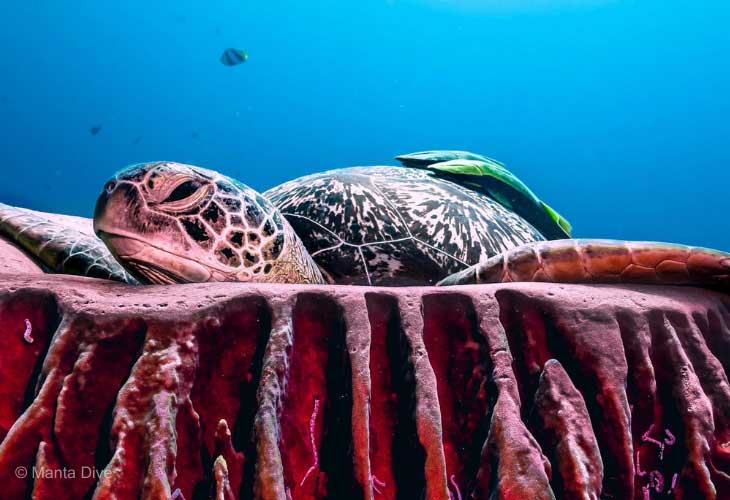
Gili Trawangan, also known as Gili T, this is the largest and liveliest of the three. It’s a hub for scuba diving, with sites suitable for beginners and experienced divers alike. Expect to see reef sharks, manta rays, sea turtles, schools of trevally, and even pygmy seahorses.

Gili Air strikes the perfect balance between peaceful and social. You’ll find great snorkelling, charming cafés, and laid-back beach bars—ideal for travellers who want a relaxed but not too quiet atmosphere.

Gili Meno, the quietest of the three, Gili Meno is ideal for honeymooners and anyone looking to completely unplug. Think serene beaches, swaying palms, and long, lazy days.

Sea-Turtle-Heaven

☀️ Best Time to Visit

The dry season (May to October) is the most popular time to visit, offering clear skies, calm seas, and excellent visibility for diving and snorkelling.

The wet season (November to April) can still be a great time to visit if you prefer fewer crowds. Rain usually falls in short afternoon bursts, and the islands are beautifully green and lush. Just note that underwater visibility may be slightly reduced.

🚤 How to Get to the Gili Islands

Getting to the Gilis is easy, whether you’re traveling from Bali, Lombok, or internationally.

From Bali: The fastest and most convenient way is by fast boat. Boats leave daily from Sanur, Serangan, and Padangbai. We recommend Bluewater Express for their excellent safety record, friendly crew, and reliable service.

From Lombok: Fly into Lombok International Airport from any major Indonesian city. From the airport, it’s a short car ride to the coast, then a quick boat trip to the islands.

From Abroad: The only direct international flights to Lombok currently come from Kuala Lumpur. Alternatively, you can fly into Bali, which has more international options and easy access to the Gilis by boat.

Gili-Islands-Underwater

🏝️ Why Visit the Gili Islands?

– No motorized traffic—just bikes, horse carts, and peace
– World-class diving and snorkelling
– Pristine beaches and clear, turquoise waters
– A relaxed, eco-conscious island lifestyle
– Friendly locals and a welcoming vibe

Want More Island Inspiration? Subscribe to our monthly eNewsletter for more diving & destination tips, hidden gems, and exclusive diving deals across Indonesia and beyond.

Holidays Throughout Indonesia

Click below for more Indonesia’s Diving Information: