Save! Join a Scheduled Trip or Course; check our “Specials” for limited time offers; subscribe to eNews for discounts, freebies, bonus offers in Bali and Beyond.
Organize diving in Bali and throughout Indonesia for your dive club or group of friends. Our dedicated team of specialists work with travel agencies around the world.
If you’re planning a trip to Bali, one of the first things you’ll probably wonder is when to go.
The simple answer is that Bali is a year-round destination. But in reality, the timing can make a difference depending on what you want to do and how you like to travel.
Dry Season (April to October)
This is generally the most popular time to visit—and for good reason. Most days are sunny, the humidity is lower, and it’s just more comfortable to be out and about.
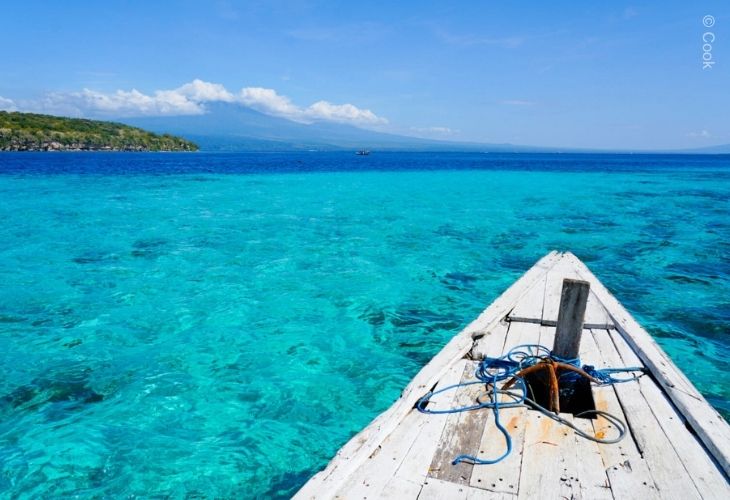
If you’re planning activities like diving, snorkelling, or exploring different parts of the island, this is usually the easiest time to do it. Sea conditions tend to be calmer, and getting out on the water is more reliable.
That said, it’s worth noting that July and August are peak months. It can get busy, and prices often go up during this period. If you prefer things a bit quieter, travelling just before or after those months can be a nice balance. April to June, in particular, is often a sweet spot.
Wet Season (November to March)
The wet season is often misunderstood. It doesn’t usually rain all day—more often, you’ll get short, heavy showers, typically in the afternoon or evening.
Mornings are often still clear, which means you can plan your activities earlier in the day and take it slower later on.
This time of year feels greener, calmer, and less crowded overall. If you don’t mind a bit of flexibility in your plans, it can actually be a really enjoyable time to visit—and often better value too.
So, When Should You Visit?
If you want predictable sunshine and the best overall conditions for outdoor activities, the dry season is the safest choice.
But if you’re happy to work around occasional rain and prefer fewer crowds, the wet season has its own charm.
In the end, Bali doesn’t really have a bad time to visit—just different atmospheres depending on the season. 🌴
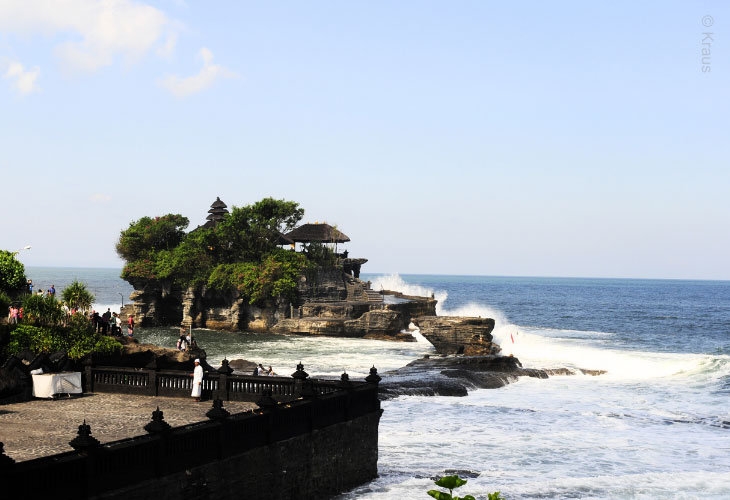
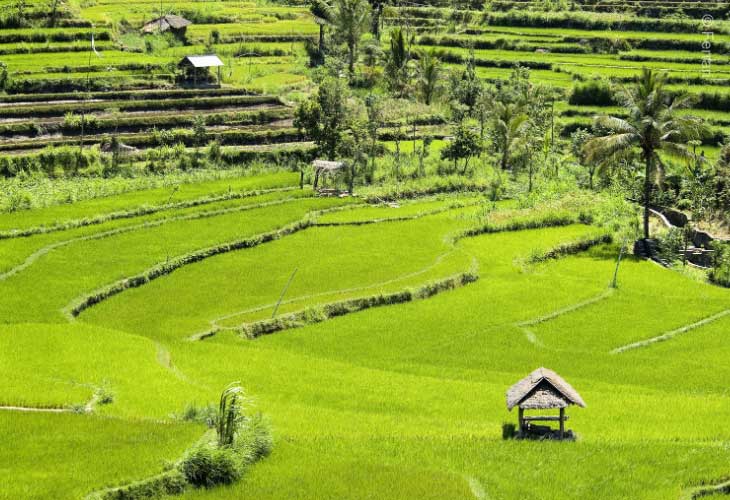
When people think of Bali, they often picture beautiful beaches, ancient temples, and stunning landscapes. While tourism is an important part of the island, Bali is also well known for its strong culture and traditions that remain an important part of daily life.
One of the most significant ceremonies in Balinese Hindu culture is Melasti, a purification ritual held a few days before Nyepi, the Balinese Day of Silence.
Melasti is a sacred journey to the sea or another holy water source where prayers and purification rituals take place. In Balinese belief, water has the power to cleanse negative energy and purify both nature and the human soul, helping people prepare spiritually for Nyepi.
What Happens During Melasti Ceremony?
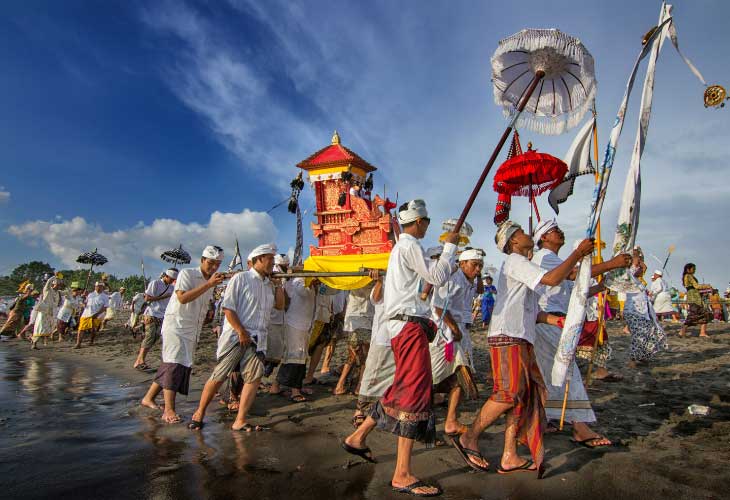
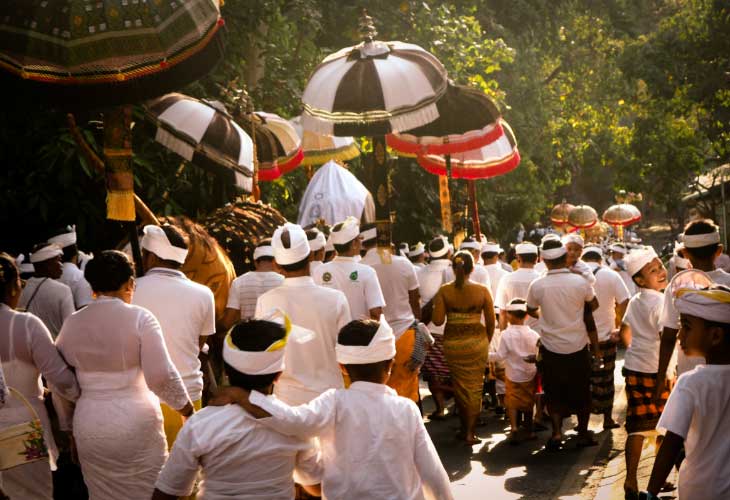
During Melasti, sacred objects from the temple are carried to the beach or other water sources. These may include temple statues, sacred symbols, and ceremonial items used in religious rituals.
Communities walk together in a procession while carrying offerings and wearing traditional ceremonial clothing, which is typically white as a symbol of purity. Priests lead prayers when the procession reaches the water, where the sacred objects are symbolically cleansed and blessings are given.
This ritual is believed to remove negative influences and restore balance before Nyepi begins.
Visitors in Bali during this period may notice these processions heading towards beaches, especially in coastal villages.
The Meaning of Melasti Ceremony
Melasti represents purification and harmony. The ritual symbolically cleanses both the environment and the human spirit, allowing people to enter Nyepi with a calm and peaceful mind.
This tradition reflects the strong connection between spirituality, nature, and community that shapes everyday life in Bali.
When Does Melasti Take Place?
Melasti ceremony usually takes place three to four days before Nyepi. Because Nyepi follows the Balinese Saka calendar, the exact date changes every year.
During this time, villages across Bali organise their own processions to nearby beaches, lakes, or sacred springs to perform the purification ritual together.
For visitors, witnessing Melasti offers a unique opportunity to experience one of Bali’s most meaningful cultural traditions.
Bali Travel Essentials: What to Know Before You Visit
If you’re planning a trip to Bali – whether for diving, sightseeing, or a bit of everything – here’s a simple guide to help you prepare. A little planning goes a long way towards ensuring your time on the Island of the Gods is as relaxed and enjoyable as possible.
Entry Requirements
Make sure your passport is valid for at least six months from your departure date and has two blank pages. You’ll also need proof of onward travel.
Most nationalities can enter Bali with a Visa on Arrival (VoA). The paid VoA is valid for 30 days and can be extended once; the free VoA cannot be extended. Travellers intending to stay longer may prefer to arrange a 60-day tourist visa before arriving.
Foreign Tourists Levy: To help preserve Bali’s culture, traditions, and natural beauty, the Bali Provincial Government has introduced a Foreign Tourists Levy. The fee is IDR150,000 per person, paid once per trip.
We recommend settling this online before you travel. You can make the payment through the official Love Bali website or app; once completed, you’ll receive a Tourism Levy voucher with a QR code sent directly to your email. Simply present this upon arrival.
If you prefer to pay on the spot, there is also a payment counter at the airport – although paying in advance is usually the quicker, easier option.
Health & Safety
Bali’s tap water isn’t safe to drink, so bottled or filtered water is the way to go. While Bali is malaria-free, dengue fever does occur, so we recommend a reliable mosquito repellent with a high DEET content.
There are good international medical clinics in south Bali, but treatment can be costly. Bring any essential medication and ensure your travel insurance covers medical care – including dive insurance if you’ll be joining us underwater.
Getting Around
If you’d like to drive a car or scooter, you’ll need an International Driver’s Permit. Traffic can be lively, so many guests tell us they prefer hiring a car with a driver – it’s affordable and far more relaxing.
Money Tips
ATMs are widely available in the south, but limited in more rural areas such as Tulamben. The local currency is Indonesian Rupiah (IDR). If you’re bringing foreign cash, use newer, clean banknotes and exchange money only at reputable places.
Visa and MasterCard are generally accepted, though small surcharges are common.
What to Pack
Bali is very easy to shop in, so pack lightly. Light clothing, swimwear, sunscreen, sunglasses, and any personal medication are the main essentials.
Bali is a welcoming, vibrant island with plenty to discover. With a little preparation, you’ll be ready to make the most of every moment.
Ready to explore Bali’s incredible underwater world? 👉 Plan your next dive with AquaMarine Diving – Bali and see the island from a whole new perspective.