Save! Join a Scheduled Trip or Course; check our “Specials” for limited time offers; subscribe to eNews for discounts, freebies, bonus offers in Bali and Beyond.
Organize diving in Bali and throughout Indonesia for your dive club or group of friends. Our dedicated team of specialists work with travel agencies around the world.
Tulamben Drop Off Dive Site: Exploring Bali’s Iconic Wall
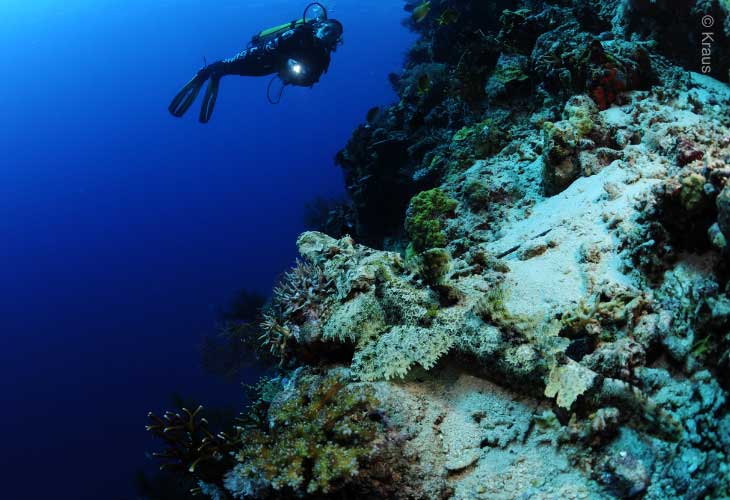
Located in Tulamben Bay, the Drop Off—also known as the Tulamben Wall—is one of Bali’s most rewarding dive sites. While many divers visit the area for the famous USAT Liberty wreck, this nearby wall offers a quieter and equally captivating experience.
Formed by a historic lava flow from Mount Agung, the site features a mix of sandy slope, coral reef, and a dramatic vertical wall. It’s a dive that feels varied from start to finish, with something new to discover at every depth.
A Unique Underwater Landscape
The dive begins on a sandy slope where macro life is easy to spot. Nudibranchs, shrimp, and small gobies are commonly found if you take your time.
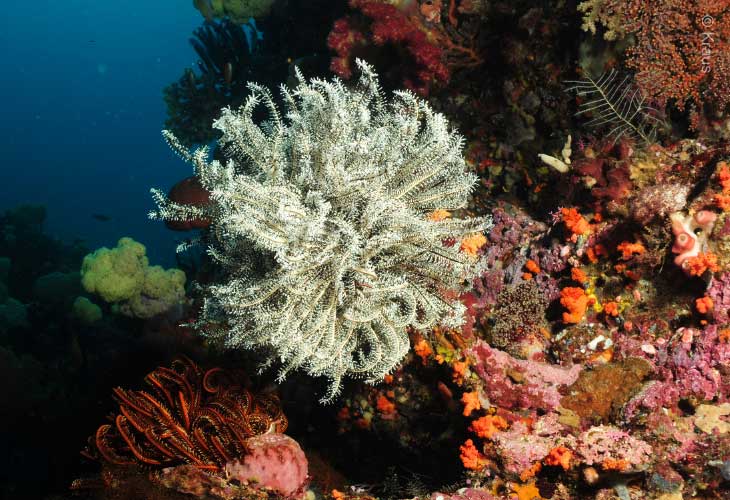
As you descend further, sponges and crinoids become more prominent, often hiding ghost pipefish and other delicate species. The reef gradually transitions into a vertical wall starting around 15 metres, dropping deep into the blue.
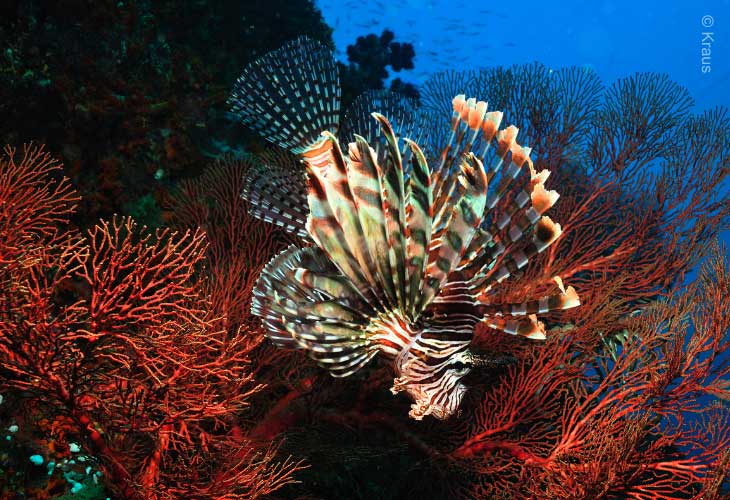
This wall is covered in hard and soft corals, black coral bushes, and large gorgonian fans, creating a colourful and textured underwater landscape.
Marine Life Highlights
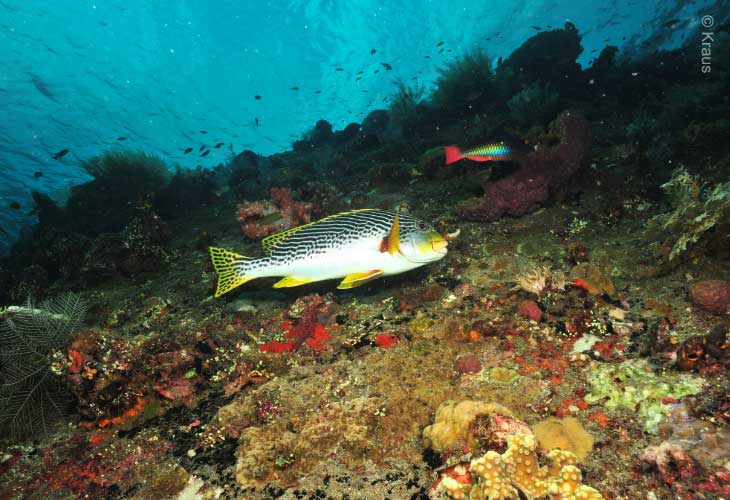
The Drop Off is known for its diverse marine life, offering both macro and occasional larger encounters.
Bigger species: White-tip reef sharks, Napoleon wrasse, moray eels, and schooling fish are regularly seen.
Macro life: Frogfish, octopus, crabs, and shrimp can be found hiding among corals and crevices.
Late dives: Lionfish become more active towards the evening.
At the top of the wall, around 5 metres, the shallow “aquarium section” is full of reef fish, cuttlefish, and other small marine life—perfect for a relaxed finish or snorkelling.
Conditions & Accessibility
The Drop Off is popular for its generally calm conditions, making it suitable for a wide range of divers.
Visibility: Around 15–20 metres, best in the morning Current: Usually mild Depth: From 5 metres to deeper wall sections Access: Easy shore entry
These conditions also make it a common site for training dives, including advanced and deep dive courses.
Why It’s Worth Diving
Tulamben Drop Off offers a quieter alternative to the nearby wreck, with a balance of coral, marine life, and striking underwater scenery.
Whether you enjoy slow macro hunting or simply drifting along a colourful wall, it’s a dive that consistently delivers—without the crowds.
If you’re planning a trip to Bali, one of the first things you’ll probably wonder is when to go.
The simple answer is that Bali is a year-round destination. But in reality, the timing can make a difference depending on what you want to do and how you like to travel.
Dry Season (April to October)
This is generally the most popular time to visit—and for good reason. Most days are sunny, the humidity is lower, and it’s just more comfortable to be out and about.
If you’re planning activities like diving, snorkelling, or exploring different parts of the island, this is usually the easiest time to do it. Sea conditions tend to be calmer, and getting out on the water is more reliable.
That said, it’s worth noting that July and August are peak months. It can get busy, and prices often go up during this period. If you prefer things a bit quieter, travelling just before or after those months can be a nice balance. April to June, in particular, is often a sweet spot.
Wet Season (November to March)
The wet season is often misunderstood. It doesn’t usually rain all day—more often, you’ll get short, heavy showers, typically in the afternoon or evening.
Mornings are often still clear, which means you can plan your activities earlier in the day and take it slower later on.
This time of year feels greener, calmer, and less crowded overall. If you don’t mind a bit of flexibility in your plans, it can actually be a really enjoyable time to visit—and often better value too.
So, When Should You Visit?
If you want predictable sunshine and the best overall conditions for outdoor activities, the dry season is the safest choice.
But if you’re happy to work around occasional rain and prefer fewer crowds, the wet season has its own charm.
In the end, Bali doesn’t really have a bad time to visit—just different atmospheres depending on the season. 🌴
When people think of Bali, they often picture beautiful beaches, ancient temples, and stunning landscapes. While tourism is an important part of the island, Bali is also well known for its strong culture and traditions that remain an important part of daily life.
One of the most significant ceremonies in Balinese Hindu culture is Melasti, a purification ritual held a few days before Nyepi, the Balinese Day of Silence.
Melasti is a sacred journey to the sea or another holy water source where prayers and purification rituals take place. In Balinese belief, water has the power to cleanse negative energy and purify both nature and the human soul, helping people prepare spiritually for Nyepi.
What Happens During Melasti Ceremony?
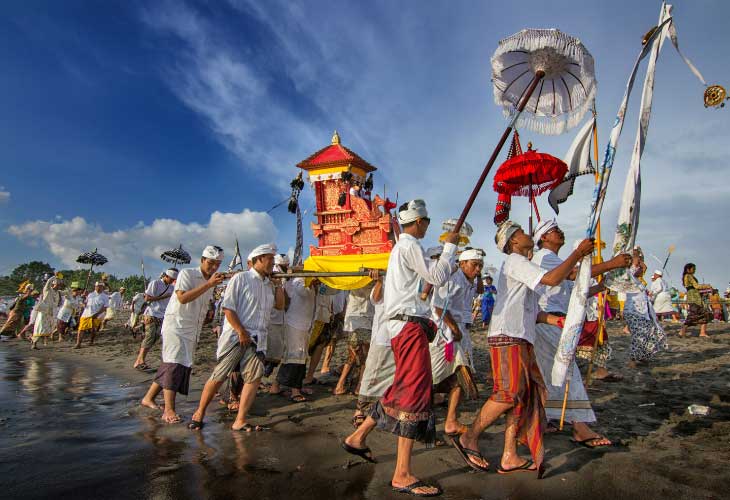
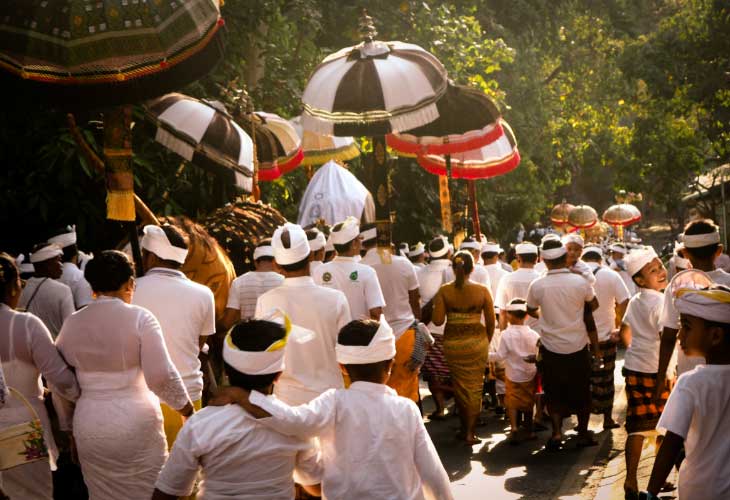
During Melasti, sacred objects from the temple are carried to the beach or other water sources. These may include temple statues, sacred symbols, and ceremonial items used in religious rituals.
Communities walk together in a procession while carrying offerings and wearing traditional ceremonial clothing, which is typically white as a symbol of purity. Priests lead prayers when the procession reaches the water, where the sacred objects are symbolically cleansed and blessings are given.
This ritual is believed to remove negative influences and restore balance before Nyepi begins.
Visitors in Bali during this period may notice these processions heading towards beaches, especially in coastal villages.
The Meaning of Melasti Ceremony
Melasti represents purification and harmony. The ritual symbolically cleanses both the environment and the human spirit, allowing people to enter Nyepi with a calm and peaceful mind.
This tradition reflects the strong connection between spirituality, nature, and community that shapes everyday life in Bali.
When Does Melasti Take Place?
Melasti ceremony usually takes place three to four days before Nyepi. Because Nyepi follows the Balinese Saka calendar, the exact date changes every year.
During this time, villages across Bali organise their own processions to nearby beaches, lakes, or sacred springs to perform the purification ritual together.
For visitors, witnessing Melasti offers a unique opportunity to experience one of Bali’s most meaningful cultural traditions.