Save! Join a Scheduled Trip or Course; check our “Specials” for limited time offers; subscribe to eNews for discounts, freebies, bonus offers in Bali and Beyond.
Organize diving in Bali and throughout Indonesia for your dive club or group of friends. Our dedicated team of specialists work with travel agencies around the world.
Mushroom Point: A Journey of Coral Restoration and Renewal
Mushroom Point, tucked between Turtleneck and Jepun in Padangbai, is known for its colourful marine life. When parts of the reef began to decline, conservation teams launched a coral restoration project in 2023. Their goal was simple: restore the reef and protect the area for future generations.
Restoring Life With Acropora Corals
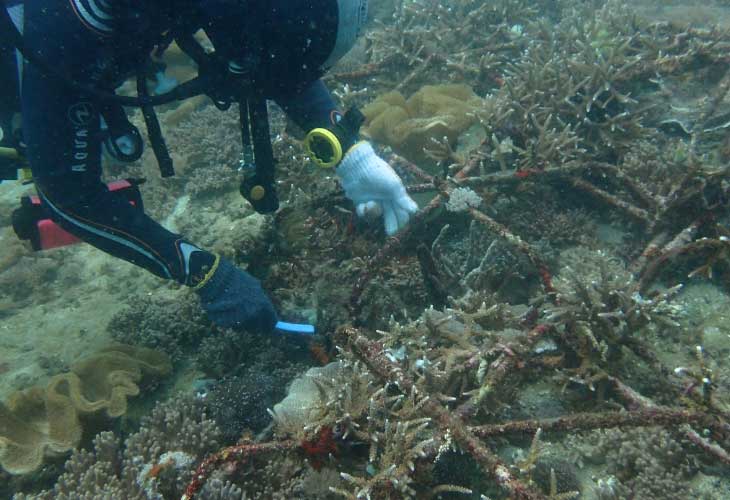
The team chose Acropora corals because they grow quickly and adapt well to Bali’s changing waters. They collected healthy donor fragments from nearby colonies and moved them to a small nursery close to Mushroom Point. Here, the corals had time to stabilise and grow.
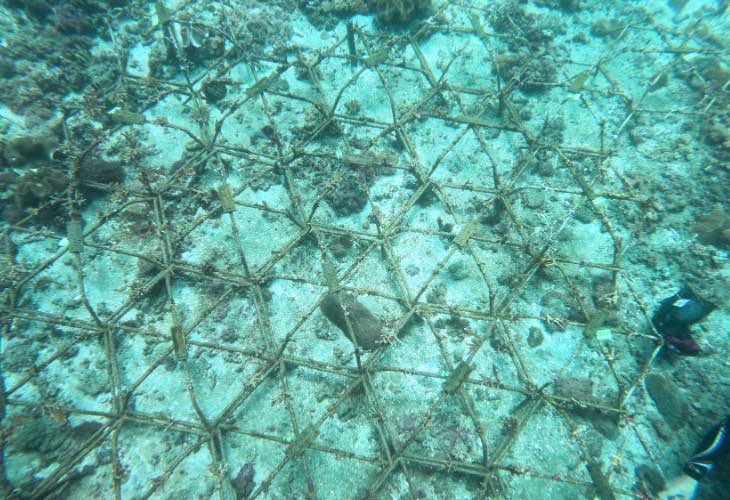
After several weeks, divers brought the young corals back to the reef. They attached each fragment to eco-friendly structures placed on the seafloor. These bases gave the corals a firm surface to settle, spread, and eventually form new reef branches.
A Thriving Reef by 2025
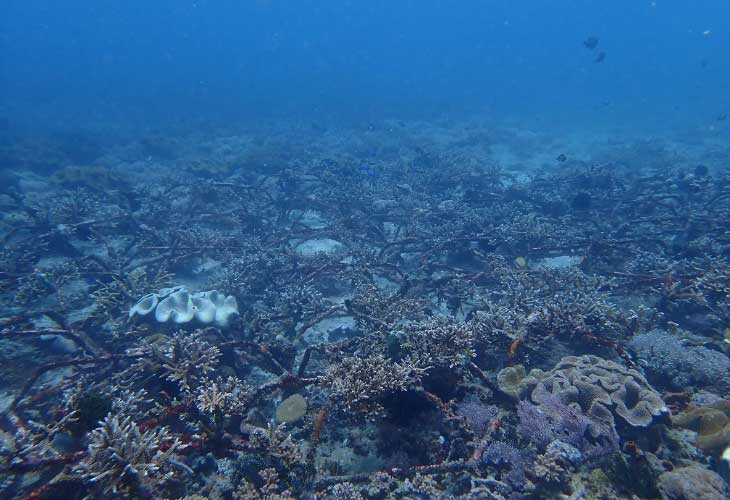
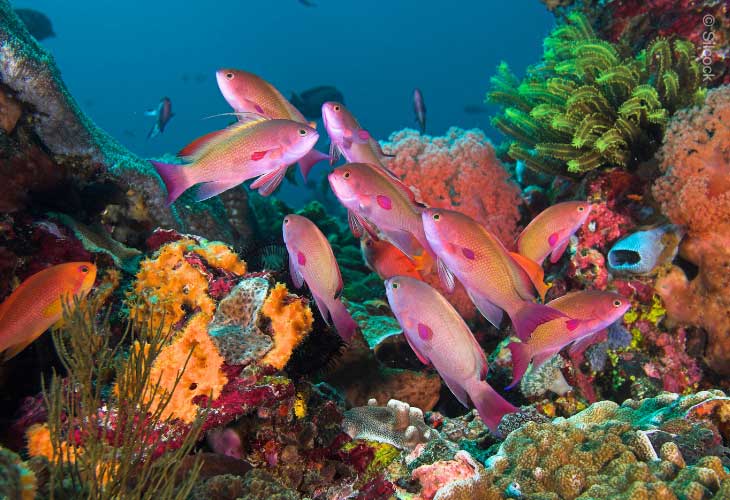
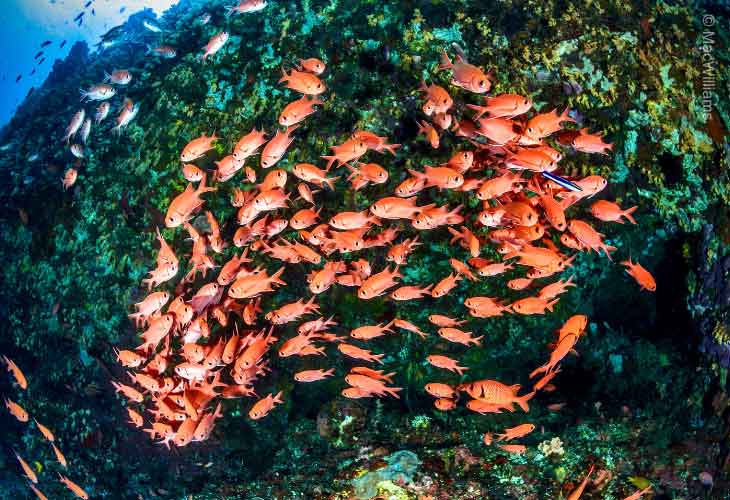
By 2025, Mushroom Point showed clear signs of recovery. The new Acropora branches created fresh shelter for many marine species. Damselfish, parrotfish, butterflyfish, and juvenile fish returned to the area and made the growing reef their home.
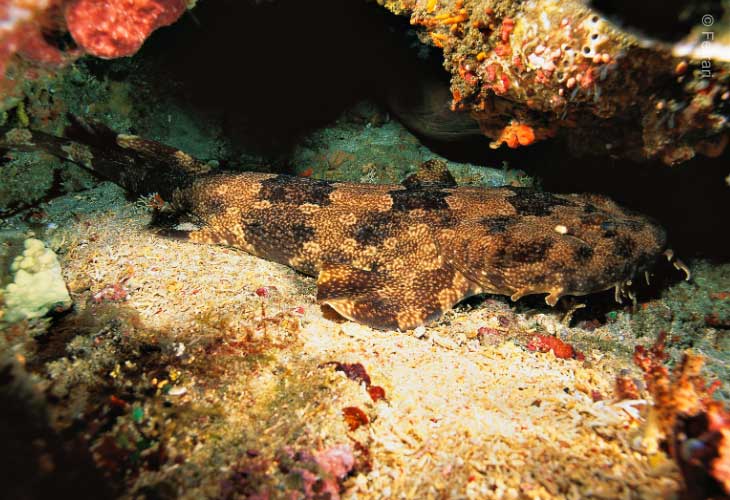
As the coral cover increased, larger species followed. Napoleon wrasse, moray eels, and reef sharks began patrolling the site again. Their return showed that the food chain around Mushroom Point had strengthened and stabilised.
Benefits for Marine Life and the Community
The project also supported the local community. With more fish around, fishermen noticed healthier catches and more sustainable opportunities. Invertebrates such as crustaceans, sea slugs, and anemones also returned. Each species added new balance and diversity to the recovering reef.
Growing Beyond 2025
Mushroom Point now stands as one of Bali’s most successful coral restoration stories. Conservation teams, dive operators, and the community continue to work together to protect this coastline. As the project expands, Mushroom Point offers hope for a stronger and more resilient marine ecosystem in the years ahead.
The Socio-Economic Benefits of Nusa Penida’s MPA to Local Communities
Just a short boat ride from Bali, Nusa Penida is known for its jaw-dropping cliffs, turquoise waters, and those magical manta rays gliding beneath the waves. But beyond the picture-perfect views, there’s something even more inspiring happening here — the island is proving that protecting the ocean can actually help people thrive.
Since being declared a Marine Protected Area (MPA), Nusa Penida has become a real success story — not just for its marine life, but for the local community too. Here’s how it’s changing lives.
🐠 1. Tourism That Lifts the Local Economy
Let’s start with the obvious one — tourism! The MPA has turned Nusa Penida into a hotspot for divers, snorkellers, and nature lovers from all over the world.
Clear blue water, colourful reefs, and the chance to spot Mola-Mola or manta rays? Yes, please.
This steady wave of visitors means more opportunities for locals — from running dive shops and homestays to opening small cafés and tour services. It’s created jobs, boosted family incomes, and given the island’s economy a healthy lift — all while keeping tourism eco-friendly.
🎣 2. Sustainable Fishing and the “Spillover Effect”
Here’s the cool part — the MPA hasn’t just helped tourism; it’s also helped fishers. By protecting key marine zones and limiting overfishing, fish populations inside the protected area have had time to recover.
And then comes the “spillover effect” — as the fish thrive inside the MPA, many move into nearby fishing areas. That means locals can catch more fish without depleting the sea.
It’s a perfect balance between conservation and livelihood — protecting nature while keeping dinner on the table.
🧑🔬 3. Research, Conservation & New Opportunities
With so much success, it’s no surprise that Nusa Penida has caught the attention of scientists, NGOs, and conservation groups. Researchers come here to study coral health, fish diversity, and ocean management — all of which helps improve how we protect our seas.
Plus, international funding and local programmes bring training, education, and community projects. This means locals get more chances to learn new skills and take part in managing their own marine environment.
So it’s not just about saving fish — it’s about empowering people too.
🏝️ 4. Better Infrastructure, Better Living
Thanks to tourism and conservation funding, Nusa Penida’s infrastructure is also getting an upgrade.
Roads are smoother, waste management is improving, and there are better schools and healthcare facilities popping up around the island. These improvements make everyday life easier for locals and more enjoyable for visitors.
When a community takes care of its environment, it often leads to a cleaner, happier, and more connected place to live.
A Model for Sustainable Island Living
The Nusa Penida MPA socio-economic benefits prove that conservation isn’t just about nature — it’s about people, too.
By protecting its coral reefs and marine habitats, Nusa Penida has found a way to grow sustainably, balancing eco-tourism, local jobs, and ocean health.
It’s now a shining example of how small islands can lead big changes — a place where protecting the ocean also protects the community’s future.
AWARE Week: A Floating Tank, a Dirty Beach, and the Power of Small Actions
When we think of ocean pollution, we picture plastic bottles, straws, maybe the occasional food wrapper. But what if I told you we once found a massive black water tank drifting miles offshore—something that belongs in a backyard, not the open sea?
This AWARE Week, I didn’t just hear about marine pollution—I lived it. And it reminded me that small actions for the ocean really can ripple into something big.
🚤 A Giant Surprise in the Middle of Nowhere
It started like any other dive trip. Calm seas. Blue skies. Good friends. We were cruising along when something caught our eye—a huge black shape bobbing on the horizon.
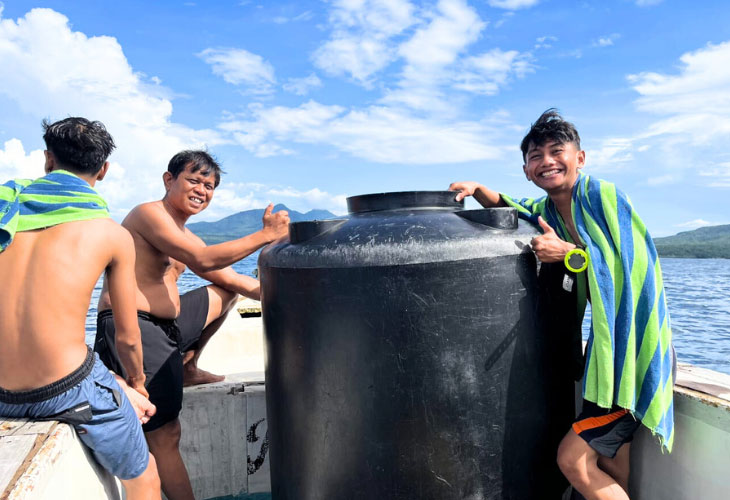
We got closer and stared in disbelief: a full-sized water tank—the kind used on land to store clean water—was floating freely in the middle of the ocean.
It was surreal. How did it get here? Where did it come from? But those questions could wait. We had a problem on our hands. The tank was large enough to smash into coral reefs, trap marine life, or damage passing boats. We knew we couldn’t leave it behind.
💪 The Ocean Clean-up We Didn't Plan For
It took teamwork, rope, muscle, and sheer determination, but we managed to haul that beast of a tank out of the water and onto our boat. It wasn’t glamorous—but it felt incredible. We knew we had just removed a real threat from the ocean.
But here’s the kicker: that tank shouldn’t have been there in the first place. It was a floating symbol of everything wrong with how waste ends up where it doesn’t belong.
🏝️ The Beach That Looked Perfect—Until It Wasn’t
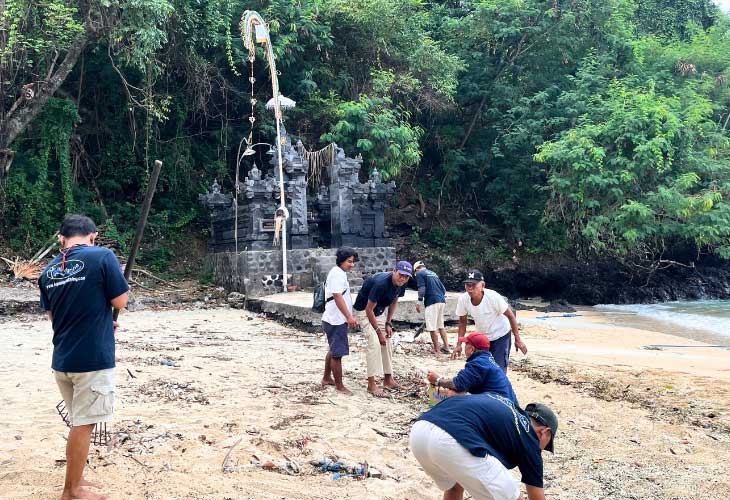
Later, we took part in a local beach clean-up. From a distance, the beach looked like paradise—framed by lush trees and crowned with a peaceful seaside temple.
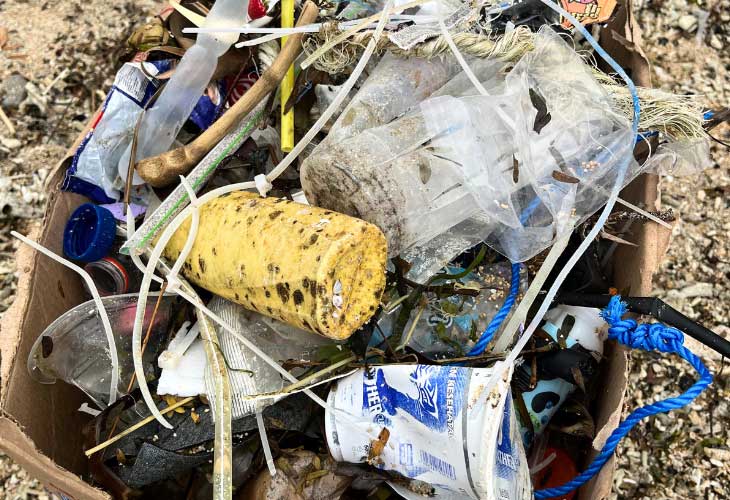
But take a few steps closer, and the illusion shattered. Bottles, broken wood, faded plastic bags… scattered like confetti after a forgotten party.
Side by side with local volunteers, we got to work. We picked up trash, sorted recyclables, and cleared driftwood. As the trash bags filled, something unexpected happened: a feeling of unity, of shared purpose. This wasn’t just a clean-up. It was a restoration.
🌱 Small Actions for the Ocean = Big Results
Two very different clean-ups—one at sea, one on land—but the message was the same: every little effort matters.
You don’t need to be a diver or marine biologist to help. You can:
• Say no to single-use plastics • Use your own water bottle • Pick up trash on your next walk • Join a local clean-up—even for 30 minutes • Share stories like this one to raise awareness
These are small actions for the ocean, but they add up. Trust me—I’ve seen it with my own eyes.
🌍 Let’s Make AWARE Week an Everyday Thing
The ocean gives us so much: oxygen, food, wonder, life. It’s not just a scenic backdrop. It’s a vital part of our planet—and it’s hurting.
So this AWARE Week, I’m inviting you to do more than scroll past another post. Do something. Anything. Because when we act together, our small choices become a powerful movement.
Let’s protect what we love—not just for AWARE Week, but for every week.
🧭 Ready to Take Action Start here: ✅ Join Blue Project by AMD-B ✅ Bring your own bag, bottle, and straw ✅ Talk to friends about ocean protection ✅ Follow #AWAREWeek and share your own small action The ocean is calling. Will you answer?