Save! Join a Scheduled Trip or Course; check our “Specials” for limited time offers; subscribe to eNews for discounts, freebies, bonus offers in Bali and Beyond.
Organize diving in Bali and throughout Indonesia for your dive club or group of friends. Our dedicated team of specialists work with travel agencies around the world.
MARRS: A Revolutionary Technique for Restoring Coral Reefs
by Mardia, AMD-B’s 2023 Divemaster Internship
The Innovative Approach to Coral Reef Restoration
Coral reefs face numerous threats due to climate change, pollution, unsustainable fishing practices, and human activities. As a result, scientists and conservationists have been actively searching for innovative solutions to restore and preserve these invaluable ecosystems. Various techniques have been developed to increase coral cover on degraded reefs. However, scaling them up to large projects has proven challenging. However, one method that has shown promise is the Mars Assisted Reef Restoration System (MARRS).
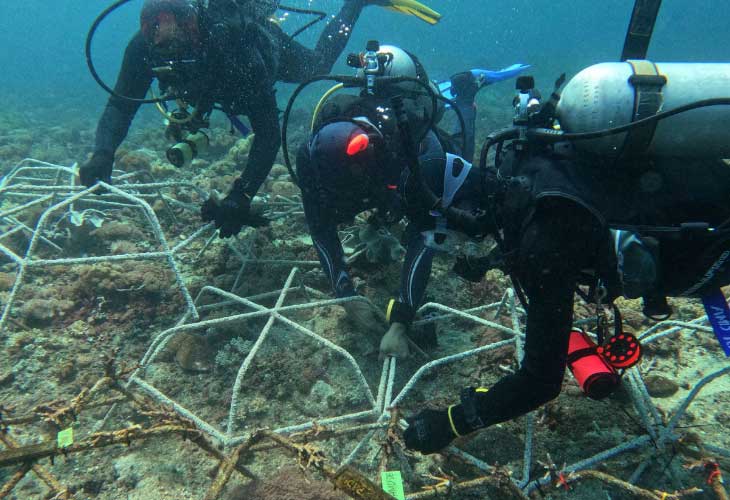
AMD-B MARRS Structure Installation
Uncover the Educational Benefits of the MARSS Technique
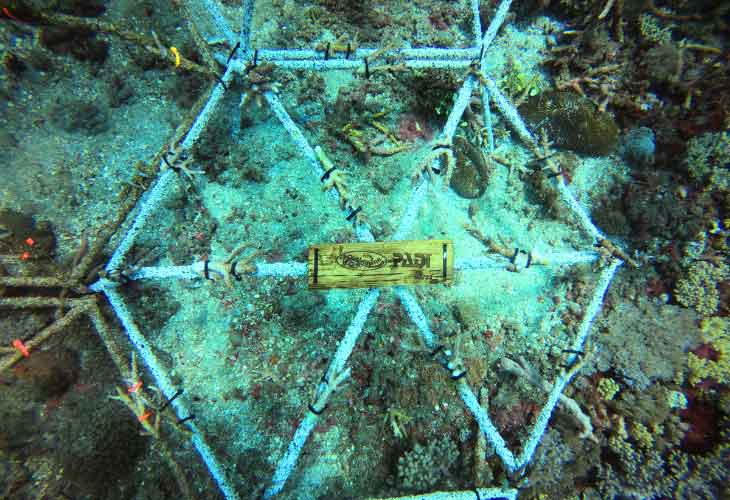
The MARRS system consists of hexagonal-shaped structures known as “spiders” or “reef stars.” These structures are made of reinforcing steel rods coated with resin and coral sand to create an environment that encourages corals and other marine organisms to settle. The modular design of the MARRS system allows for flexibility in constructing artificial reef substrates that conform to the contours of existing reefs’ topography.
This restoration method is particularly effective in reef areas dominated by rubble, where the constantly shifting substrate hinders the settlement and growth of baby corals. The reef stars stabilize loose rubble and provide a platform for rapid coral growth and the development of a complete reef ecosystem. The success of the MARRS method has been demonstrated in the MARSS project on Badi Island of Spermonde Archipelago, Makassar. Within just three years, this heavily degraded area transformed into a thriving coral-dominated ecosystem. The live coral cover on the structures increased from less than 10% initially to over 60%, depending on depth, deployment date, location, and disturbances. Furthermore, this restoration site witnessed a threefold increase in fish population and a twofold increase in fish biomass.
AMD-B MARRS Structure
AMD-B’s Story
At AquaMarine, we have also adopted the MARRS method in our mini reef garden. This year alone, we have installed 45 reef stars and 810 coral fragments, contributing to the restoration and conservation of coral reefs. The MARRS system represents a significant advancement in coral reef restoration, offering a low-cost, rapid, and scalable solution. However, it is crucial to address the root causes of coral reef degradation, such as climate change, pollution, and unsustainable fishing practice, for long-term conservation.
The Mars Assisted Reef Restoration System (MARRS) is a game-changer in coral reef restoration. By providing a rapid and scalable solution, MARRS offers hope for the preservation and recovery of these invaluable ecosystems. However, it is essential to recognize that MARRS alone is not enough. We must raise awareness, support conservation efforts, and take individual actions to reduce our ecological footprint.
How does Plastic Pollution Impact the Health of Coral Reefs?
by Mardia, AMD-B’s 2023 Divemaster Internship
Plastic Pollution Poses a Significant Threat to Coral Reefs
Coral reefs are not just a beautiful sight to behold. They are living, breathing ecosystems that support a vast array of marine life. Despite covering only 1% of the sea floor, coral reefs are responsible for 25% of all marine life. They also play a crucial role in protecting coastal areas and providing employment opportunities to thousands of people in the fishing and tourism industries.
Nevertheless, coral reefs worldwide are currently under threat. The World Resource Institute projects that local human activity, global warming, and ocean acidification will threaten over 90% of the world’s reefs by the 2030s.
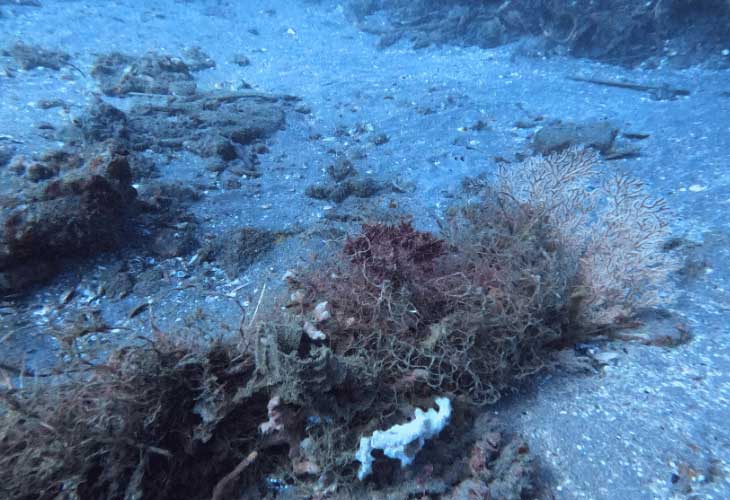
Plastic pollution is among the greatest threats to coral reefs, particularly concerning coral disease. According to a study conducted by Lamb et al., published in the Journal of Science, they observed that the prevalence of infection in corals was merely 4% in the absence of any interaction with plastic debris. However, introducing plastic to the reef significantly increased the disease rate, reaching an alarming 89%, representing a twenty-fold escalation.
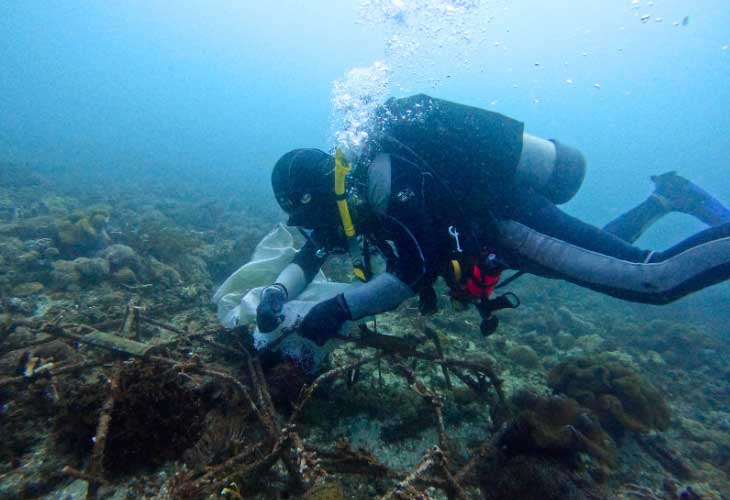
Removing the Entangled Sack on Coral
Impact on Coral Disease
Pathogens that frequently cause disease outbreaks on coral reefs can be found in plastic pollution. Additionally, when plastics come into contact with coral tissues, they can physically harm and abrade the coral’s delicate surface. As coral tries to heal itself, plastic debris can introduce bacteria and make it expend more energy on its immune response. Moreover, plastic waste can smother the coral, covering its surface and obstructing light and oxygen. This condition can lead to anoxic conditions that favor the formation of polymicrobials and lead to black band disease.
Adopting sustainable practices and addressing plastic waste management is paramount in safeguarding these vital ecosystems. By reducing plastic pollution, we can help preserve coral reefs and ensure the well-being of marine life for future generations.
PADI AWARE Week is an annual event dedicated to raising awareness about the importance of ocean conservation and taking action to protect our marine environment. In this week-long event, AquaMarine Diving – Bali, fortunate to celebrates with various activities such as a clean-up event, Webinar, School Visit, and Conservation Education.
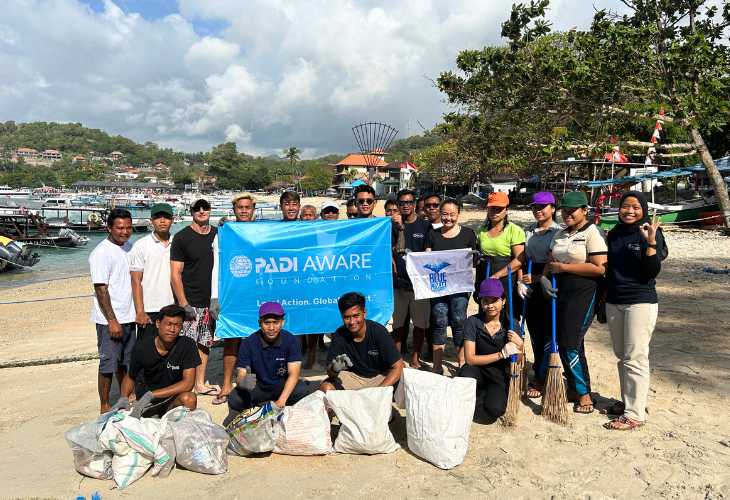
On 19 September 2023, AMD-B kicked off the PADI Aware Week with beach and underwater clean-up. The clean-up event was a tremendous success, with volunteers coming together to remove the debris from the coast and the ocean. Seeing the dedication and passion people contribute to protecting our marine environment is heartening. As usually we are hosting our monthly clean-up at every 4th, now we thrilled invited some of our partners and friends to be involved in our AWARE Week Clean-up event, namely: – Coral Restoration Partner, Livingseas – PADI Regional Manager, Neil Davidson – Simone Tomazela – Topi Inn Staffs
In this clean-up event, we successfully collected 13.48 kgs and 17.44 kgs of debris from the coast and our adopted site, The Jetty and The Mushroom Point. The clean-up event plays a crucial role in safeguarding the health and well-being of marine life. By removing trash, we are creating a cleaner and healthier ocean for all living creatures.
AWARE Week 2023 Beach Clean-up
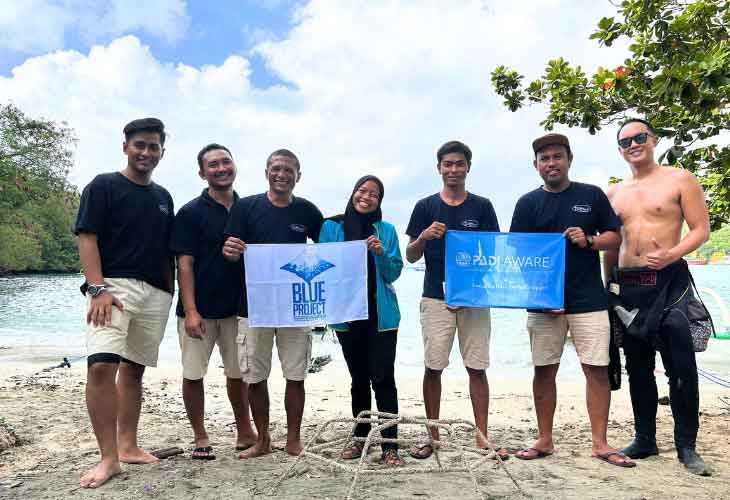
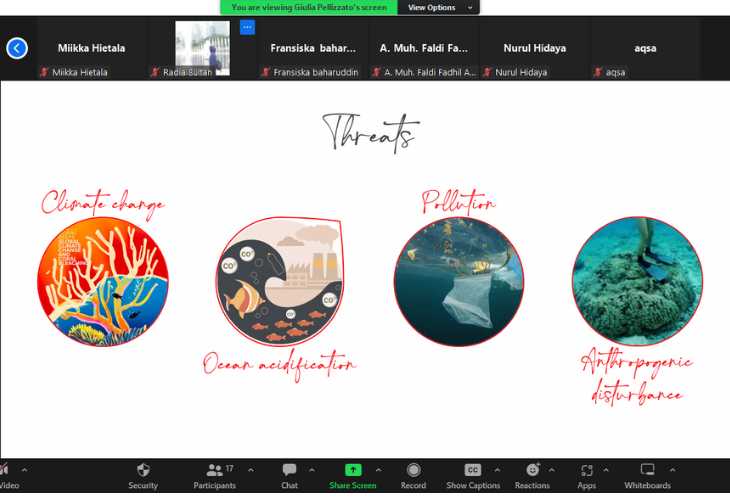
The Second 2023 Blue Project Webinar Talk
In addition to the clean-up event, we hosted a webinar titled “A Century to Urge Ocean Conservation” on 22 September 2023. This webinar provided a platform for passionate marine conservationists to share their experiences and stories about their work. Egi Pamungkas (Indonesia) and Giulia Pellizzato (Italy) were exceptional speakers who captivated the audience with their extraordinary efforts and unwavering commitment to ocean conservation. Their shared knowledge and expertise shed light on the urgent need to protect our oceans and inspired individuals to take action in their own lives.
AWARE Week 2023 Webinar
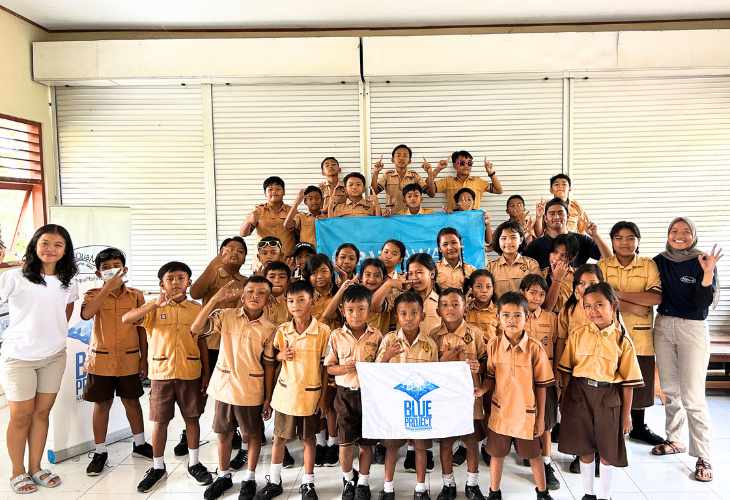
Engaged the Rural School to their Nearest Local Sea Turtle Conservation Community
On 23 September 2023, as part of our community outreach, we visited SD N 5 Saba, a local school in Gianyar. During the school visits, students learn about plastic pollution and the significance of protecting turtle habitats. After the class, we took the students to the Saba Asri Turtle Conservation, where they had the opportunity to release the baby turtle. These hands-on experiences not only educate but also leave a lasting impact on the students, encouraging them to become ambassadors for ocean conservation.
We are incredibly proud to celebrate PADI Aware Week and raise awareness for the health of our oceans. The clean-up event, webinar, and school visit were all significant endeavors that contributed to our mission of protecting and preserving our marine environment. By working together, we can positively impact and ensure a healthier future for our planet.