Save! Join a Scheduled Trip or Course; check our “Specials” for limited time offers; subscribe to eNews for discounts, freebies, bonus offers in Bali and Beyond.
Organize diving in Bali and throughout Indonesia for your dive club or group of friends. Our dedicated team of specialists work with travel agencies around the world.
The Basking Behaviour of Molas: An Essential Part of External Parasite Removal
If you’ve ever been diving in Bali and spotted a giant, pancake-shaped fish floating sideways near the surface, you’ve probably encountered a Mola alexandrini — though most divers call it Mola-Mola. These ocean sunfish are truly unique, not only for their odd appearance but also for their fascinating basking behaviour.
Why Do Molas Bask in the Sun?
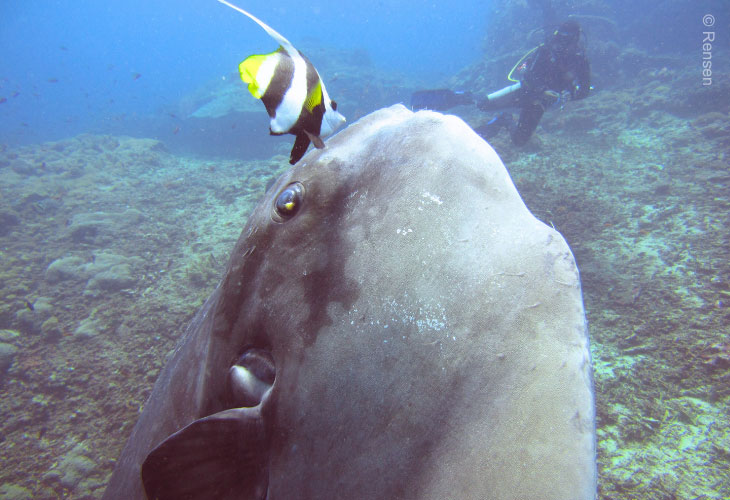
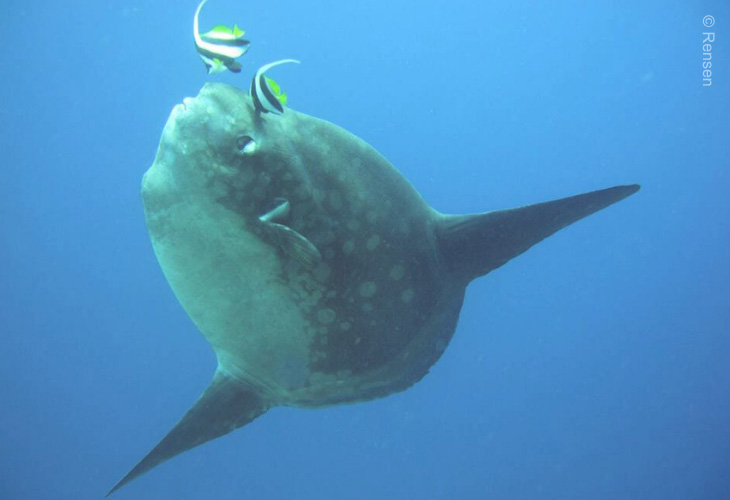
At first glance, it might seem like Molas are simply relaxing near the surface. In reality, this behaviour is far from lazy — it’s a vital survival strategy. After spending time in the cold, dark depths, basking in shallow water allows them to warm up and, more importantly, visit reef cleaning stations where smaller fish help remove parasites.
The Parasite Problem
Molas are unfortunately prone to carrying a wide variety of parasites, both external and internal. These parasites can cause skin lesions, sores, and infections, making life difficult for the gentle sunfish. Left untreated, they can weaken the fish and leave it more vulnerable to disease.
Cleaning Stations: The Ocean’s Health Clinics
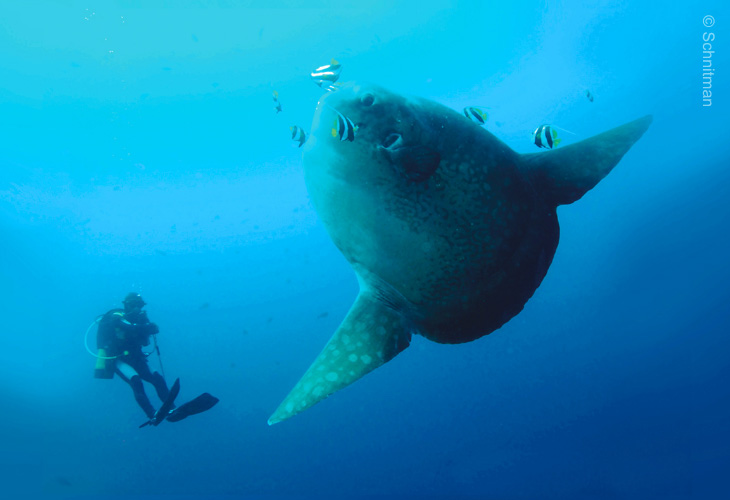
In reef areas, Molas position themselves vertically or horizontally to give cleaner fish — such as bannerfish, butterflyfish, and angelfish — access to their skin and fins. These smaller fish pick off parasites, providing the Mola with much-needed relief while enjoying a nutritious snack in return. It’s a beautiful example of symbiosis in action.
Observing Molas Respectfully
For divers and snorkellers, witnessing a Mola’s basking and cleaning routine is a truly special experience. However, it’s important to observe from a respectful distance. Disturbing them can interrupt their essential cleaning process — something they rely on to stay healthy.
Ready to see these majestic creatures up close? Join our exclusive 2025 Mola Mola Dive Experience and witness the basking behaviour of Molas in Bali’s crystal-clear waters. 🌊 Secure your place today for a front-row encounter with one of the ocean’s most extraordinary species — an adventure you’ll never forget.
If you’re planning a diving trip to Bali and hoping to witness both the Mola-Mola (Ocean Sunfish) and the magnificent manta rays, this is the dive site you can’t miss. The combination of rare pelagic sightings, vibrant reef diving, and Bali’s stunning underwater scenery makes this one of the island’s most bucket-list experiences.
📅 Best Season to Dive with Mola-Mola and Manta Rays
Mola-Mola (Ocean Sunfish): Best spotted between July and mid-November, when they rise from the deep for cleaning.
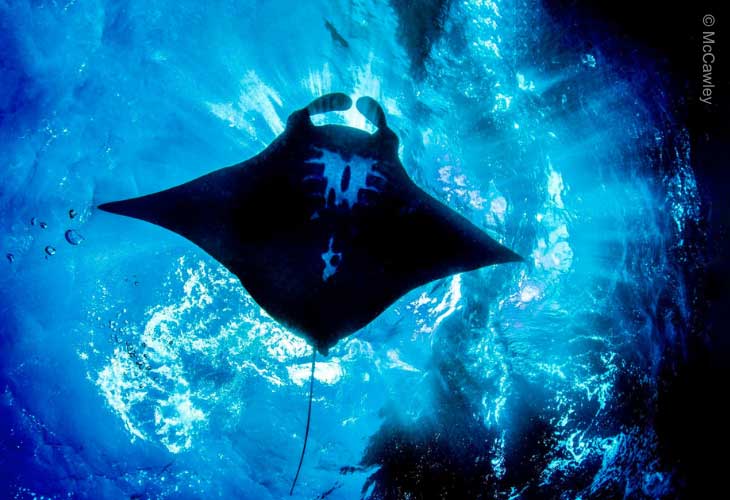
Manta Rays: These graceful giants can be found all year round, especially around Nusa Penida.
📍 Top Dive Locations
– Crystal Bay & Blue Corner – great for spotting both Mola-Mola and thrilling drift dives. – Batu Abah (Vertigo Point) – often attracts pelagic species, with dramatic underwater landscapes. – Manta Point I & II – year-round manta encounters at cleaning stations. – Toyapakeh – coral reefs with occasional pelagic sightings. – Malibu Point – relaxed drift dives with schools of fish and occasional sunfish.
🌟 Why Divers Love This Site
Unforgettable Encounters – rare chance to see Mola-Mola and manta rays in one trip.
Varied Dive Experiences – cleaning stations, drift dives, and reef exploration in one outing.
Conservation Focus – AquaMarine offers the PADI Manta Ray Awareness Speciality, deepening diver knowledge about manta biology and sustainable practices.
✅ Codes of Conduct for Divers
To ensure safe and respectful encounters, divers are expected to follow clear guidelines. When approaching Mola-Mola, it is vital not to chase, touch, or block their path. Divers should keep a respectful distance, maintain proper buoyancy control, and allow the fish to settle naturally at cleaning stations. Similarly, manta rays should be approached calmly, without the use of sudden flashes or disruptive movements.
Before beginning your Mola-Mola & Manta dive in Bali, it’s essential to follow AquaMarine’s Code of Conduct to protect these gentle giants. The Ocean Sunfish rely on cleaning stations where reef fish remove parasites critical to their health. By keeping a respectful distance and avoiding disturbance, divers allow the Mola-Mola to settle for longer periods, resulting in healthier fish and far more rewarding encounters, with extended opportunities to observe their natural behaviour.
🌏 Why This Dive Belongs on Your Bucket List
The Mola-Mola & Manta dive site in Bali is a dream come true for underwater enthusiasts. With the right timing, guidance, and respect for the ocean, you’ll experience one of the most awe-inspiring marine encounters in the world.
✨ Pro Tip: Book your dives with experienced operators who prioritise conservation and safety. This way, you’ll not only get the best chance to see these giants but also help protect Bali’s fragile marine ecosystem.
AWARE Week: A Floating Tank, a Dirty Beach, and the Power of Small Actions
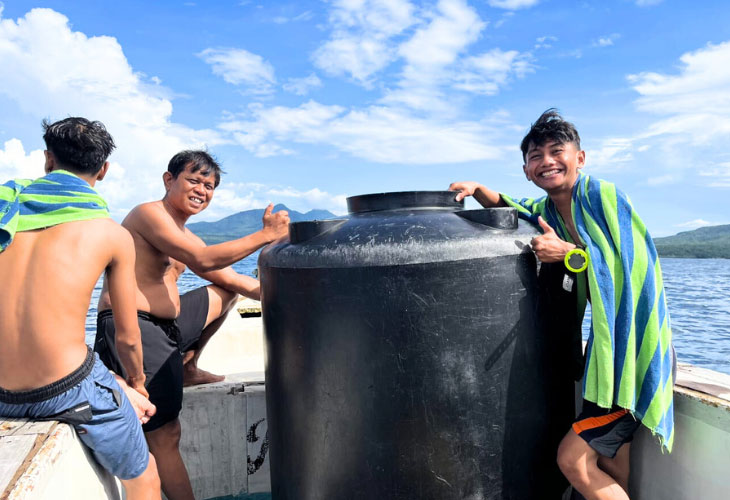
When we think of ocean pollution, we picture plastic bottles, straws, maybe the occasional food wrapper. But what if I told you we once found a massive black water tank drifting miles offshore—something that belongs in a backyard, not the open sea?
This AWARE Week, I didn’t just hear about marine pollution—I lived it. And it reminded me that small actions for the ocean really can ripple into something big.
🚤 A Giant Surprise in the Middle of Nowhere
It started like any other dive trip. Calm seas. Blue skies. Good friends. We were cruising along when something caught our eye—a huge black shape bobbing on the horizon.
We got closer and stared in disbelief: a full-sized water tank—the kind used on land to store clean water—was floating freely in the middle of the ocean.
It was surreal. How did it get here? Where did it come from? But those questions could wait. We had a problem on our hands. The tank was large enough to smash into coral reefs, trap marine life, or damage passing boats. We knew we couldn’t leave it behind.
💪 The Ocean Clean-up We Didn't Plan For
It took teamwork, rope, muscle, and sheer determination, but we managed to haul that beast of a tank out of the water and onto our boat. It wasn’t glamorous—but it felt incredible. We knew we had just removed a real threat from the ocean.
But here’s the kicker: that tank shouldn’t have been there in the first place. It was a floating symbol of everything wrong with how waste ends up where it doesn’t belong.
🏝️ The Beach That Looked Perfect—Until It Wasn’t
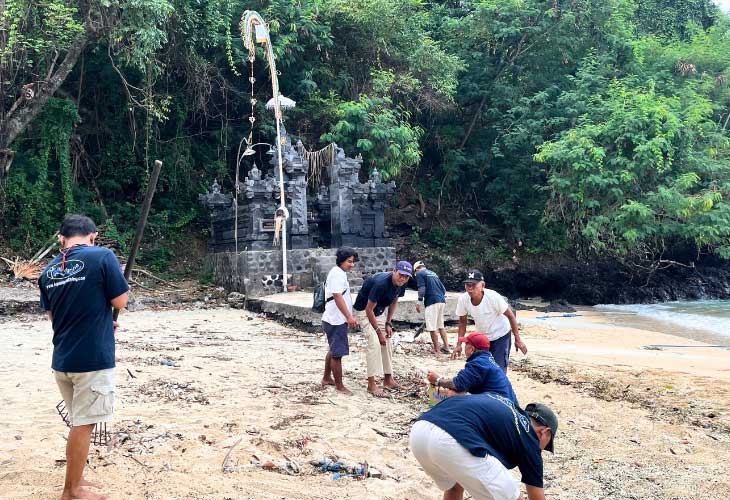
Later, we took part in a local beach clean-up. From a distance, the beach looked like paradise—framed by lush trees and crowned with a peaceful seaside temple.
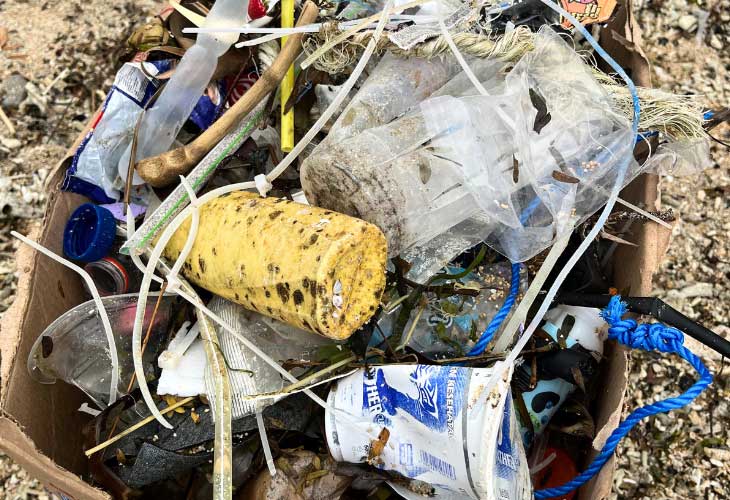
But take a few steps closer, and the illusion shattered. Bottles, broken wood, faded plastic bags… scattered like confetti after a forgotten party.
Side by side with local volunteers, we got to work. We picked up trash, sorted recyclables, and cleared driftwood. As the trash bags filled, something unexpected happened: a feeling of unity, of shared purpose. This wasn’t just a clean-up. It was a restoration.
🌱 Small Actions for the Ocean = Big Results
Two very different clean-ups—one at sea, one on land—but the message was the same: every little effort matters.
You don’t need to be a diver or marine biologist to help. You can:
• Say no to single-use plastics • Use your own water bottle • Pick up trash on your next walk • Join a local clean-up—even for 30 minutes • Share stories like this one to raise awareness
These are small actions for the ocean, but they add up. Trust me—I’ve seen it with my own eyes.
🌍 Let’s Make AWARE Week an Everyday Thing
The ocean gives us so much: oxygen, food, wonder, life. It’s not just a scenic backdrop. It’s a vital part of our planet—and it’s hurting.
So this AWARE Week, I’m inviting you to do more than scroll past another post. Do something. Anything. Because when we act together, our small choices become a powerful movement.
Let’s protect what we love—not just for AWARE Week, but for every week.
🧭 Ready to Take Action Start here: ✅ Join Blue Project by AMD-B ✅ Bring your own bag, bottle, and straw ✅ Talk to friends about ocean protection ✅ Follow #AWAREWeek and share your own small action The ocean is calling. Will you answer?