

Dive Sites: Nusa Penida & Lembongan

Nusa Penida & Lembongan Dive Sites

Nusa Penida and Nusa Lembongan offer drift-diving in mild to strong currents. The water can be chilly but is often startlingly clear, with gorgeous corals, prolific fish, turtles, sharks and, from July to mid-November, Mola-Mola (Ocean sunfish).

Note: AquaMarine’s 2024 Mola-Mola Special Offer is available to book 🙂
Nusa-Penida-&-Lembongan-Manta

The three main north coast sites SD, Ped and Sental have many soft corals and fish such as sweetlips, lionfish, moray eels, scorpionfish and reef sharks, in addition to turtles, nudibranchs and crabs.

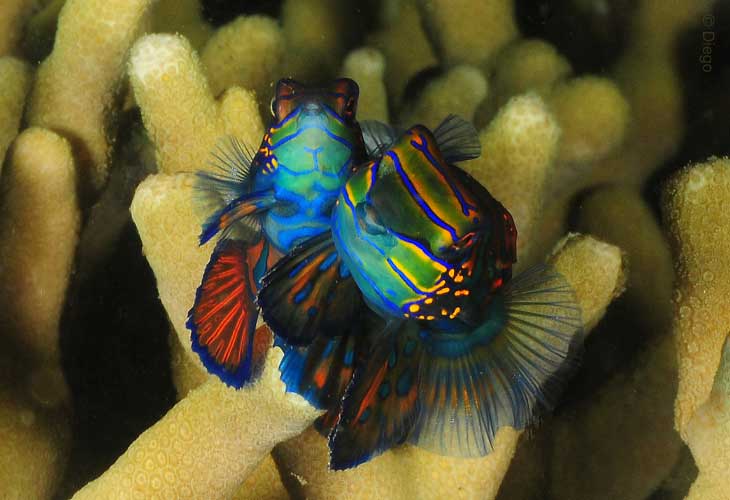
Toyapakeh, Nusa Penida’s most popular dive site, has good visibility with rich, impressive coral formations and big bommies. The profusion of colourful soft corals provides hiding places for many kinds of marinelife including Ribbon eels, Banded sea snakes, turtles and nudibranchs. Late afternoon you may be lucky enough to see Mandarinfish.

Gamat Bay, although a small area, with its soft corals, Gorgonian seafans and hard corals (including table corals), is full of reef fish and some quite rare commensals and nudibranchs. On the outside slope are big bommies, overhangs and small caves, that provide resting places for larger fish. Gamat Bay is also known as a cleaning station for Mola-Mola in season.

Malibu Point on south east Penida lies on a very steep slope, with table corals and big bommies. Marinelife here includes rays, big trevallys and huge schools of Rainbow runners. This is Penida’s best location to see a variety of sharks.
Nusa-Penida-&-Lembongan-Mandarinfish

Manta and Mola-Mola Diving

Crystal Bay is best known for sightings of Mola-Mola (see sidebar) in the July to mid-November season when water temperatures can drop dramatically! While the bay itself is beautiful, with good numbers and variety of fish as well as gorgeous corals, it also has a Bat Cave: enter from underwater, surface inside the cave (which is open to the sky) and watch the bats overhead. On the deep wall after the Bat Cave we often see Eagle rays and (if you are lucky) the Bali Wobbegong shark – yes really, it’s endemic to Bali.

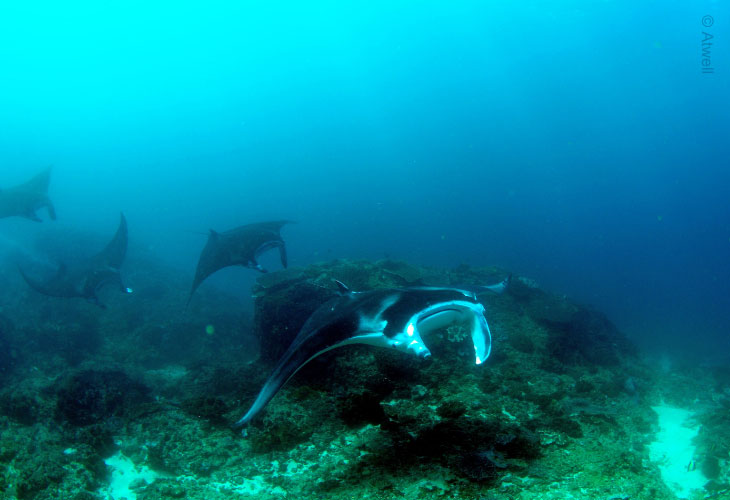
South west Penida has two Manta Points, both of which have dramatic limestone cliffs descending straight into the ocean. Manta Point I, the further site, has slightly larger Mantas (2-4m width), but can be surgy and is not always reachable due to waves. Neither site has currents, and at both sites the Mantas are seen at 5-10m depth. Mola-Molas, Bamboo and Nurse sharks, tunas, Tiger mackerels and smaller rays may also be seen.

Batu Abah on the far side of Penida is known for Mantas and Mola-Mola.
Note: Despite the distance, all three of AquaMarine’s boats can reach Batu Abah in a reasonable time.

Lembongan’s Blue Corner, although deep, is a very popular drift dive, the highlight being a wall that is usually full of fish, sharks, big Napoleon wrasse, sometimes Eagle rays and Mola-Mola. This site is for more experienced divers.
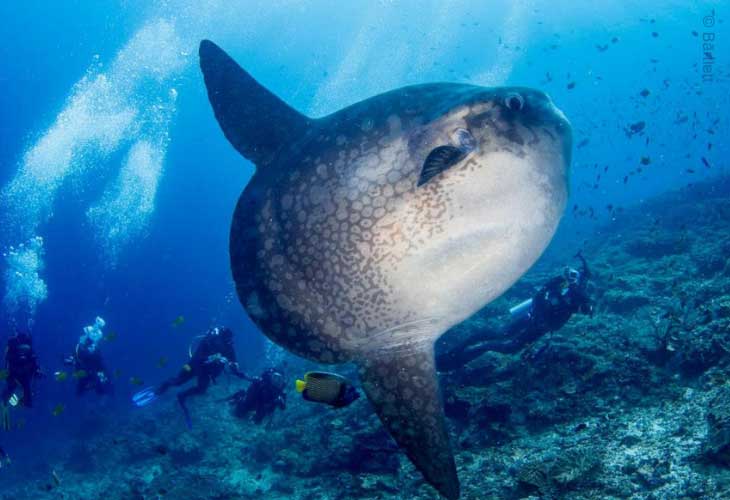
Nusa-Penida-&-Lembongan-Mola-Mola

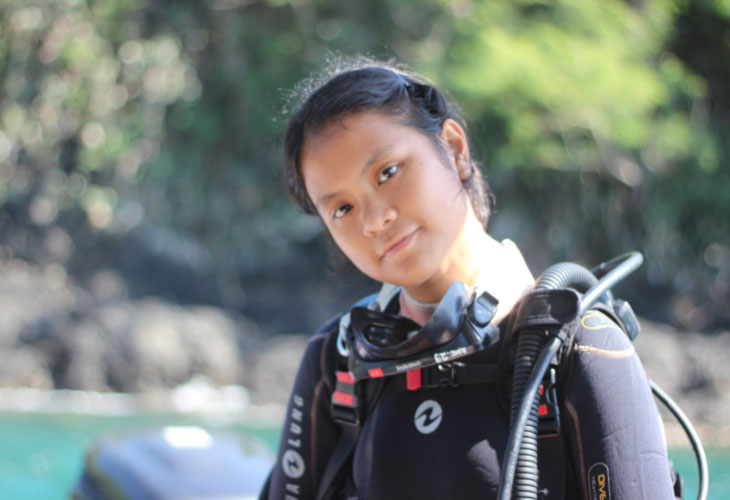
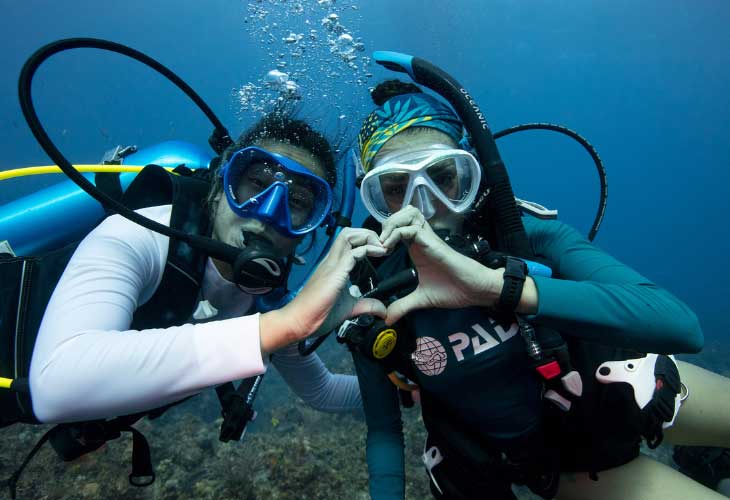
PADI Women’s Dive Day

Women’s Dive Day Matters for Women in Diving

by Fahmi, AMD-B’s 2024 Divemaster Internship

PADI Women’s Dive Day (WDD) is an annual event that celebrates and promotes the involvement of women in scuba diving. Started by the Professional Association of Diving Instructors (PADI), this day represents a commitment to gender equality and the empowerment of women. Since it began in 2015, PADI WDD has become a global movement, bringing together divers of all genders to honor the achievements of women in diving and to encourage more women to explore the underwater world.

Representation (empowering)

By showcasing women in diving, PADI Women’s Dive Day serves as a powerful platform where women’s talents and achievements are recognized and valued within dive communities. This representation is crucial as it highlights the diverse contributions women make to the field, from marine biology and underwater photography to dive instruction and environmental conservation. Celebrating these achievements helps to empower women and ensures they receive the recognition they deserve.

padi-women’s-dive-day-2024

Breaking Down Barriers

Scuba diving has long been seen as a male-dominated activity. However, PADI Women’s Dive Day challenges this view by showing that women can and do thrive in the diving community. By putting the spotlight on female divers, the event helps to break down gender barriers and promotes inclusivity. This shift not only encourages more women to take up diving but also creates a more welcoming and diverse environment within the sport.

Inspiring Future Generations

One of the most significant impacts of PADI Women’s Dive Day is its potential to inspire future generations. When young girls see women excelling in the diving world, they gain role models who show them that pursuing a career in diving is not only possible but also rewarding. This inspiration can lead to young women dreaming big, whether it’s becoming marine scientists, professional divers, or underwater explorers.

Creating a Supportive Community

PADI Women’s Dive Day also creates opportunities for women to connect and support one another. By sharing experiences and building networks, female divers can form a supportive community that fosters growth and development. This sense of camaraderie is essential for both personal and professional development, providing a space where women can learn from each other and gain confidence in their abilities.

Promoting Confidence and Leadership

PADI Women’s Dive Day encourages women to be confident and to push boundaries in a traditionally male-dominated field. By celebrating women who have succeeded in diving, the event challenges stereotypes and demonstrates that women are just as capable of achieving greatness. This recognition helps women gain confidence in their abilities and can inspire them to take on leadership roles, ultimately contributing to a more balanced and diverse diving community.

Cenderawasih Bay

Cenderawasih Bay, West Papua

Located in the Bird’s Head peninsula, Cenderawasih Bay is the location for the largest (1.5 million hectares) National Marine Park in Southeast Asia. Acclaimed as the ‘newest’ dive destination in the region, the bay is more than 300kms wide, and has a 700kms coastline with several rivers emptying into it.

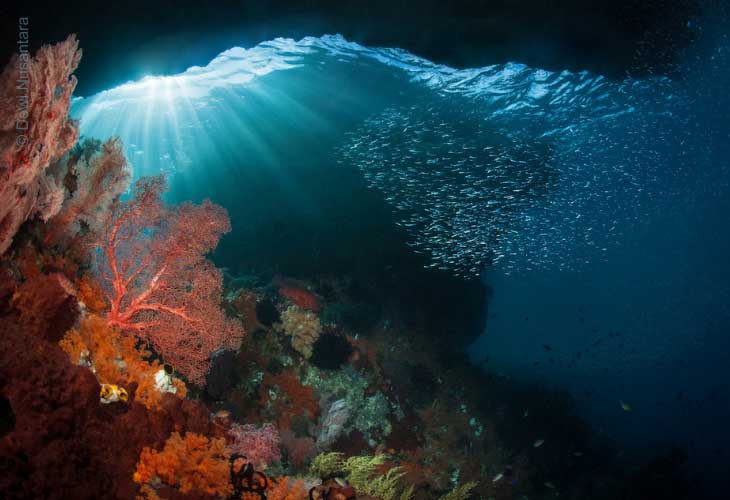
Cenderawasih Bay includes 18 pristine paradise-like islands and combines a coral reef ecosystem with mangrove and terrestrial tropical forests. Here you can find endemic flora and fauna, including the Birds of Paradise.

Cenderawasih-Bay-Coral-Reef

Diving in Cenderawasih Bay

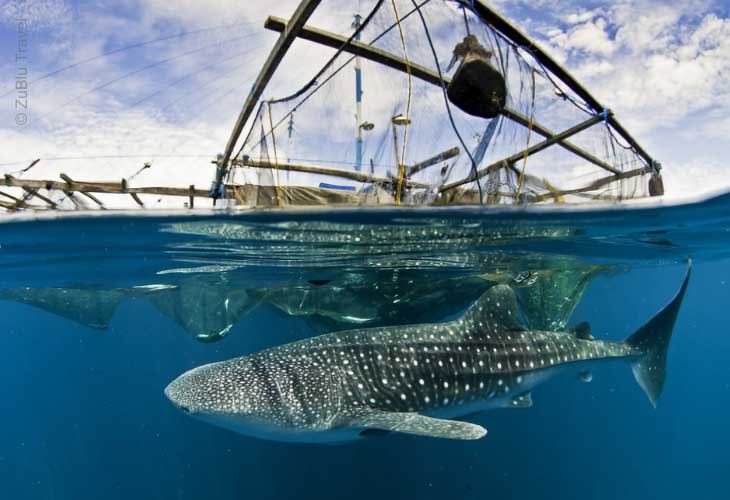
Diving here is done by liveaboard, usually on trips of 10 days and longer. The resident whalesharks are the primary reason people visit this remote area. They are resident simply because they have a continual supply of sardines that fall from the nets of the floating fishermen’s platforms. These massive, slow-moving fish simply ignore any divers and snorkellers; it really is an amazing and unique experience!

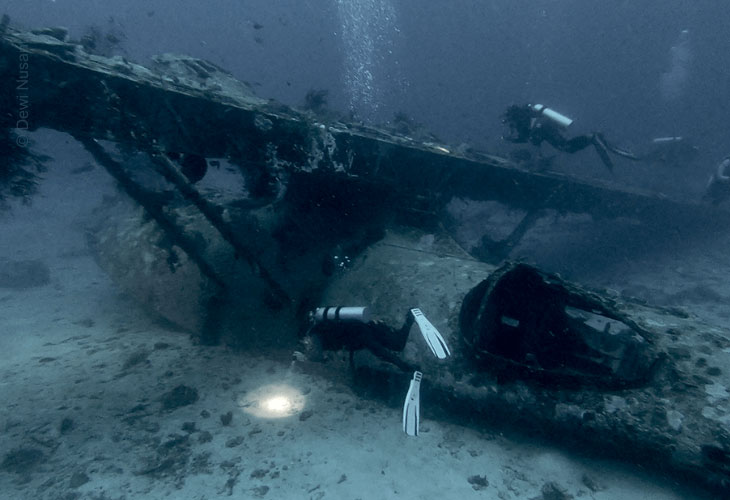
The Cenderawasih region is a remarkable dive destination for large and small animals, beautiful reefs bursting with life, and a dozen WWII shipwreck sites across the bay. One of the most famous wrecks is the Shinwa Maru which lies at 16-34m, a large cargo vessel with two huge holes from bomb damage on its starboard side. Other famous dive sites in this region are Kwatisore Bay, well known for the whalesharks and Sungei Omiand, a muck site with a black volcanic sand seabed.

Cenderawasih Bay is a perfect remote destination for a sailing holiday and one of the best scuba diving destinations in Indonesia.

Cenderawasih-Bay-WW2-RAAF-Catalina-Wreck

Cenderawasih Bay Diving Conditions

Diving here is basically good year round however the liveaboard ‘season’ is normally May to October. Heavier rain can be expected July/August and November/December. Surface conditions are usually calm with currents ranging from moderate to strong depending on the dive site. The visibility is 10-30m with the temperature relatively constant at 27°-30°C.

Cenderawasih-Bay-Whalesharks

How to reach Cenderawasih Bay

Most liveaboards use the 3 small towns of Manokwari, Biak and Nabire as their embarkation and disembarkation ports. There are daily domestic flights from Jakarta to Manokwari, Biak or Nabire (with stopovers in Makassar/Surabaya and Sorong). Carriers servicing the area are Garuda Indonesia, and Sriwijaya Air. Another option is to fly from Manado to Sorong and take a connecting flight to Manokwari.

For more information on Cenderawasih Bay diving, dive resorts, transfers, and to start your planning, please contact AMD-B’s ‘Beyond Bali’ Dive Travel Consultants today. As always, they will be more than happy to offer recommendations and make arrangements to suit your preferences. Contact us on Tours@AquaMarineDiving.com today!