


How to Be a Reef-Friendly Diver: Simple Tips for Diving in Bali

Reef-Friendly Diver: Simple Tips for Diving in Bali

If you’ve been lucky enough to dive in Bali, you know just how magical our reefs are. From the graceful manta rays of Nusa Penida to the vibrant coral gardens of Menjangan, there’s so much to love beneath the surface. But as divers, we have a responsibility to protect these fragile ecosystems.

Whether you’re new to diving or have hundreds of dives under your belt, here are a few easy tips to ensure you are a reef-friendly diver—especially important when exploring Bali’s beautiful underwater world.
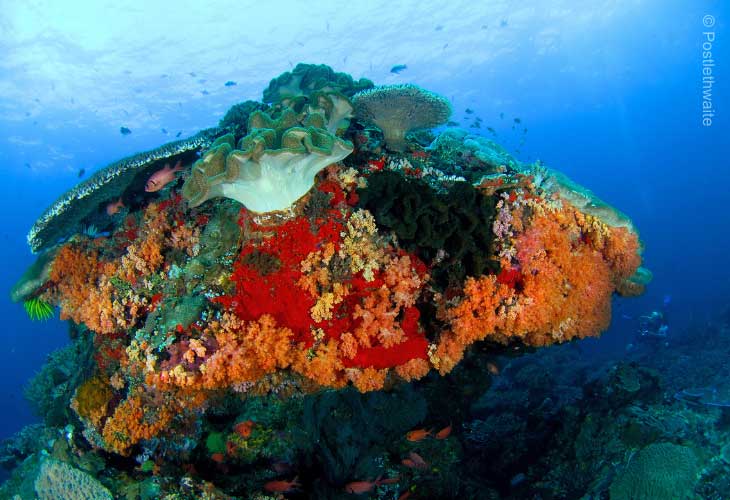
Bali-Beautiful-UW-World

Master Your Buoyancy

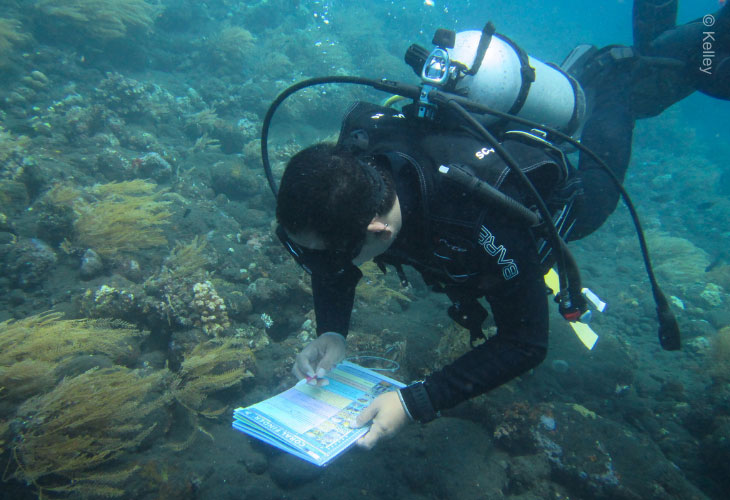
Excellent buoyancy is crucial when diving over coral reefs. Accidental contact with the reef can break corals or stir up sediment, harming marine life. If you’re still fine-tuning your buoyancy, consider taking a Peak Performance Buoyancy course with us here in Bali—we’ll help you dive with confidence and care.

Keep Your Distance from Marine Life

Seeing a turtle up close or spotting a curious pufferfish is always exciting, but it’s important not to crowd them. Resist the urge to touch or chase any animals. It’s not just about respect—it’s also about their safety (and yours). The best encounters happen when we let nature come to us.

Tidy Up Your Gear

Before you jump in, take a moment to check that your gauges, camera, and hoses are clipped in. Loose equipment can drag over coral or spook sea life. Our guides here always do a quick check before the dive to help keep you and the reef safe.
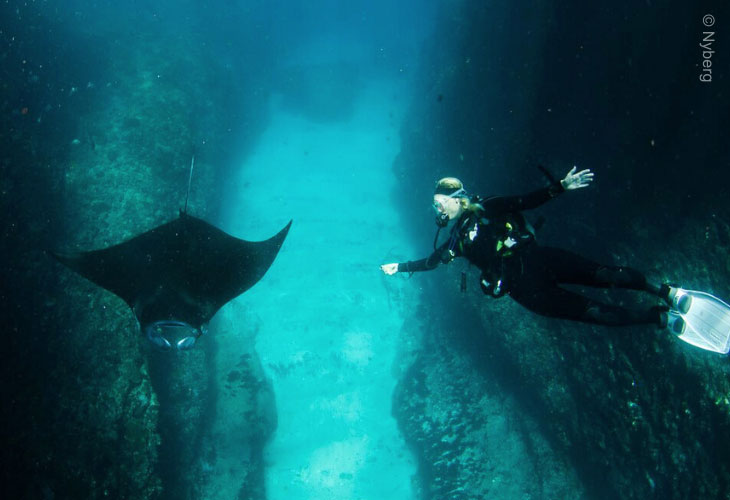
Simple-Tips-for-Diving-in-Bali

Choose Reef-Safe Sunscreen

It might not seem like a big deal, but many sunscreens contain chemicals that harm coral reefs—even in small amounts. Look for reef-safe products, or better yet, wear a rash guard for sun protection. It’s an easy win for both your skin and the reef.

Respect the Rules

Bali is home to several marine protected areas, such as the Menjangan Nasional Park. Always follow local rules, listen to your dive guide, and avoid touching or collecting anything underwater. These regulations are designed to preserve our marine environment for years to come.

Let’s Keep Bali’s Reefs Beautiful

By following these tips to ensure you are a reef-friendly diver, you’re helping to protect the reefs we all love so much. At our dive centre in Bali, we’re passionate about sustainable diving and teaching others how to enjoy the ocean without harming it.
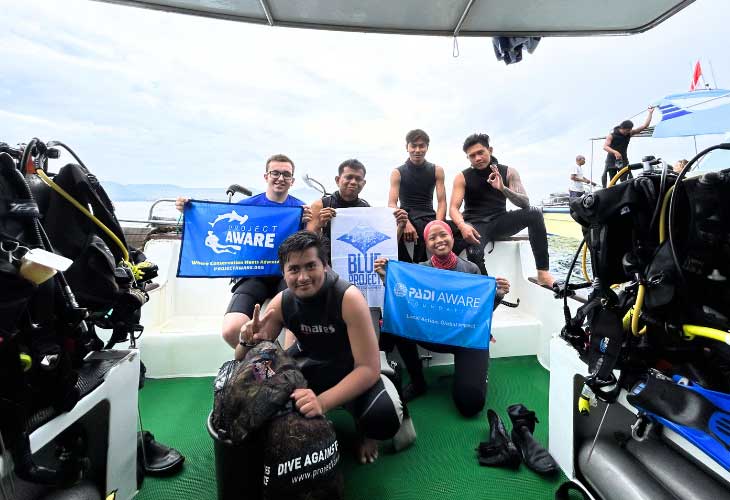
Reef-Friendly-Diver

Want to make your dives count for something more?
👉 Join us for an eco-conscious dive in Bali and see for yourself how small actions can make a big difference underwater.
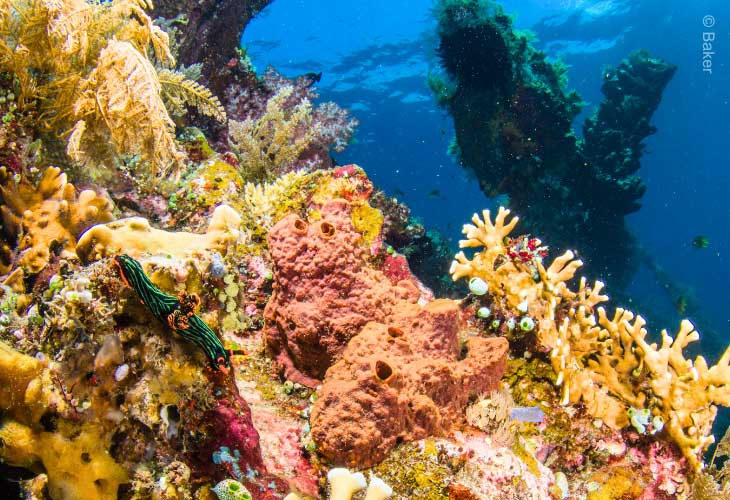
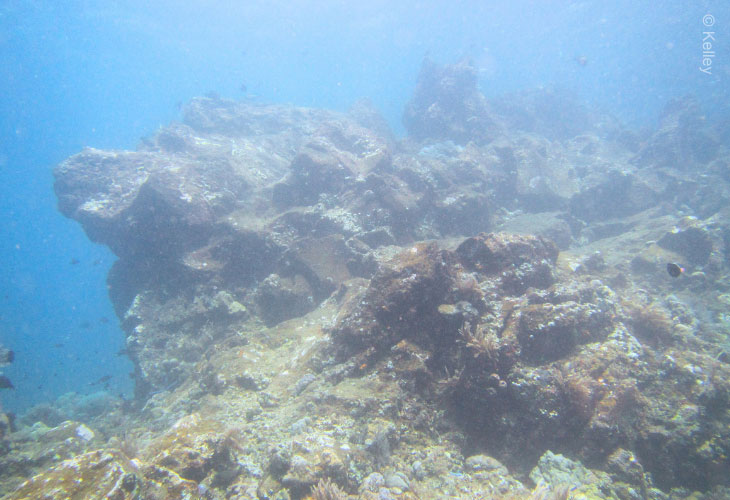
Mining Waste Threat for Coral Reef

Mining Waste Threat for Coral Reef

Coral reefs are among the most vital and diverse marine ecosystems on Earth, often referred to as the “rainforests of the sea.” They support over 25% of all marine species, provide food and income for millions of people, and serve as natural barriers that protect coastlines from erosion and storm surges. Despite their importance, coral reefs face a growing and often overlooked threat — pollution from mining waste.

Coral-Reefs-Rainforests-of-the-Sea

Sedimentation from Mining Operations

One of the most direct threats posed by mining is sedimentation. Land-based mining activities often release large amounts of fine particles into nearby rivers and coastal waters. These sediments increase water turbidity, blocking sunlight that corals need to survive. Without adequate light, the symbiotic algae (zooxanthellae) living inside coral tissues cannot photosynthesise, leading to coral stress, bleaching, and eventually death.

Deep Sea Tailings Disposal (DSTP)

Some mining companies use a method called Deep Sea Tailings Placement (DSTP), in which mine waste is dumped directly into the ocean. While this practice is intended to reduce land-based pollution, it introduces toxic materials into deep-sea environments. These pollutants can eventually resurface or migrate to shallower areas, causing widespread damage to coral reefs and other marine ecosystems.

Mining-Waste-Damage-Coral-Reefs

Toxic Heavy Metals

Mining waste frequently contains harmful heavy metals such as mercury, arsenic, lead, and cadmium. These substances can accumulate in coral tissues and other marine organisms, disrupting biological functions and poisoning the marine food web. In severe cases, entire reef ecosystems may become uninhabitable for fish and invertebrates.

Impact on Local Communities

The damage caused by mining waste extends beyond the marine environment. Coastal communities and fisherfolk often suffer from declining fish stocks, contaminated seafood, and reduced income from tourism. As coral reefs degrade, these areas also become more vulnerable to coastal storms due to the loss of natural wave barriers.

Protecting coral reefs from mining pollution requires urgent and coordinated action. Key measures include stricter regulation of mining operations, better waste management, continuous environmental monitoring, and the rehabilitation of damaged marine areas. Saving coral reefs is not only crucial for marine biodiversity — it is essential for the food security, livelihoods, and coastal protection of millions around the world.

Protect-Coral-Reefs

By Hafid, AMD-B’s 2025 Divemaster Intern

10 Ways Divers Can Protect the Underwater Environment

10 Ways Divers Can Protect the Underwater Environment

The underwater world is a stunning and fragile ecosystem that needs our protection more than ever. As divers, we have a unique opportunity—and responsibility—to be stewards of the ocean. Here are ten practical ways divers can protect and preserve marine environments.

Be Ocean AWARE

Start by educating yourself. Being AWARE (Aquatic World Awareness, Responsibility, and Education) means understanding the challenges our oceans face, from coral bleaching to plastic pollution. By learning about these issues, you can make informed choices and become an advocate for change.

Take Action

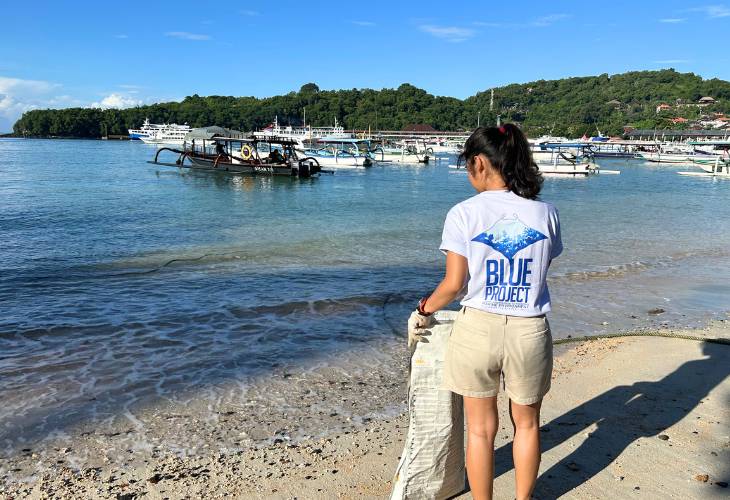
Knowledge alone isn’t enough—take action. Support conservation organizations, attend beach clean-ups, and raise awareness in your community. Small actions like reducing single-use plastics or encouraging sustainable seafood choices can have a big impact when adopted widely.

Blue-Project-by-AMDB-Activity

Respect Wildlife

Always observe marine life from a respectful distance. Never touch, chase, or feed animals, as this can stress them, alter natural behaviour, or even cause harm. Remember, we are guests in their home.

Be a Buoyancy Expert

Poor buoyancy control is one of the main causes of reef damage. Mastering your buoyancy helps prevent accidental contact with fragile coral or stirring up sediment, which can smother marine life. Take a Peak Performance Buoyancy course if needed—it’s a game changer.

Practice Responsible Imaging

Underwater photography and videography are fantastic ways to share the beauty of the sea, but they must be done responsibly. Avoid touching or manipulating marine life for a better shot, and be mindful of your fins and gear to avoid damaging the environment.

Leave Only Bubbles, Take Only Trash

The classic diver’s motto still stands. Don’t take shells, coral, or other natural souvenirs from the ocean. Instead, take any trash you find back to the surface. Removing even one piece of marine debris can make a difference.

Become a Citizen Scientist

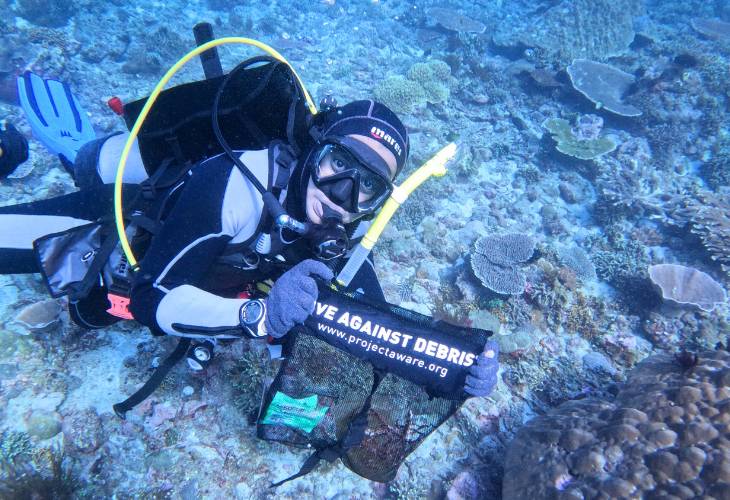
You can contribute to marine science by collecting valuable data on your dives. Join programs like REEF, CoralWatch, or Project AWARE’s Dive Against Debris to report sightings and conditions. Your observations help researchers monitor ocean health.

10-Ways-to-Protect-the-UW

Be an Ecotourist

Choose dive operators that prioritize sustainability. Look for eco-certifications, reef-safe practices, and guides who promote environmental awareness. Support local communities and businesses that are committed to ocean conservation.

Give Back

Donate your time, money, or skills to support marine conservation projects. Whether it’s through volunteer work, fundraising, or supporting NGOs, every bit counts. Giving back strengthens the diving community’s positive impact.

Join Us

Finally, become part of a global movement of divers who are committed to protecting the underwater world. Join conservation groups, participate in clean-ups, and share your passion with others. The more voices we have, the louder our message becomes.

Diving is a privilege—and with that privilege comes responsibility. By adopting these ten practices, divers can help safeguard marine ecosystems for generations to come. Every dive is a chance to make a difference. Protect what you love: dive with purpose.

By Hafid, AMD-B’s 2025 Divemaster Intern