


Parrotfish: The Key to Coral Reef Resilience

Parrotfish: The Key to Coral Reef Resilience

by Fahmi, AMD-B’s 2024 Divemaster Internship

Coral reefs are bustling underwater cities, teeming with life and colour. But behind the scenes, one often overlooked resident plays a crucial role in keeping these vibrant ecosystems in balance: the parrotfish. These fascinating creatures are essential for the health and resilience of coral reefs, particularly in regions like Bali, where reefs are a vital part of the marine environment.

Parrotfish are hard to miss with their bright colours and distinctive beak-like mouths, which resemble a parrot’s beak – hence the name. This “beak” is actually a set of fused teeth that the parrotfish uses to scrape algae off coral and rocks. They’re not just pretty faces; parrotfish are equipped with powerful jaws that make them excellent at their job.

Interestingly, parrotfish are known for their ability to change sex during their lifetime. Many start out as females and later become males, a trait that adds to their adaptability in maintaining healthy populations.
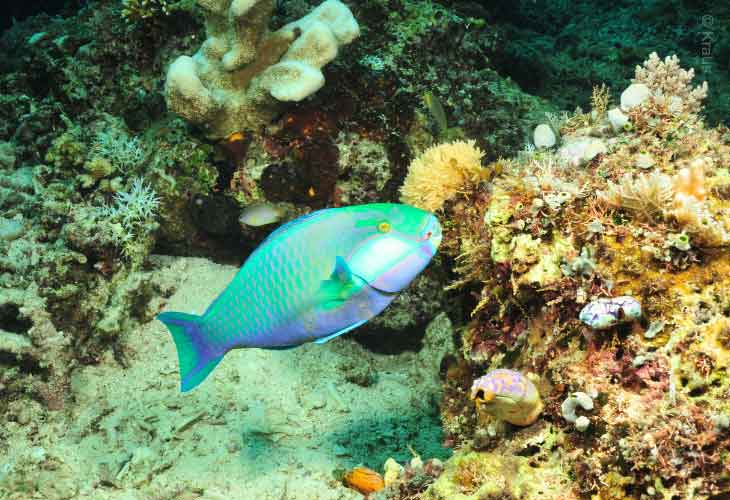
Parrotfish-Bleeker's

Why Parrotfish Are Key to Coral Reef Survival

The main job of a parrotfish is to keep algae in check. Algae can quickly overgrow and suffocate coral reefs if left unchecked, blocking sunlight and making it difficult for corals to thrive. Parrotfish help prevent this by grazing on the algae, essentially giving the coral space to breathe and grow.

But that’s not all they do. Parrotfish also contribute to the creation of sandy beaches. As they scrape algae and bits of coral, they ingest chunks of coral rock, which they grind up in their digestive systems. The result? Fine, white sand that they excrete, which over time helps form and replenish beaches. It’s a natural process that plays a significant role in coastal ecosystems.
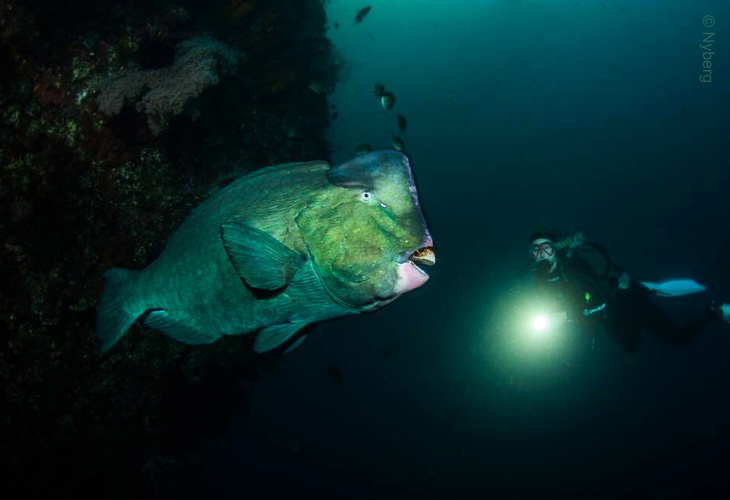
Parrotfish-Bumphead

The Challenges Parrotfish Face

Despite their importance, parrotfish populations are declining in many areas due to overfishing and habitat destruction. In some regions, they are harvested for food, and with fewer parrotfish around, algae can quickly take over, leading to degraded coral reefs.

Climate change also poses a threat, as warming waters and ocean acidification further stress coral reefs, making the role of parrotfish even more critical. Protecting these fish is essential for maintaining the health and biodiversity of coral reef ecosystem.

Conservation Efforts and Why They Matter

Conservation measures are being put in place in various parts of the world to protect parrotfish. Marine Protected Areas (MPAs), fishing bans, and community-led conservation initiatives are some of the strategies being used to safeguard these vital reef residents. In Bali, where tourism and fishing pressure are high, protecting parrotfish is key to ensuring that coral reefs remain resilient against future environmental changes.
Role of Algae

The Vital Role of Algae in Ocean Ecosystems and Climate Regulation

by Fahmi, AMD-B’s 2024 Divemaster Internship

The Innovative Approach to Coral Reef Restoration

When we think about ocean life, algae might not be the first thing that comes to mind. However, the vital role of algae in maintaining the health of our oceans and the planet as a whole cannot be overstated. As a responsible diver or ocean enthusiast, it is essential to understand how algae contribute to marine ecosystems and climate regulation.

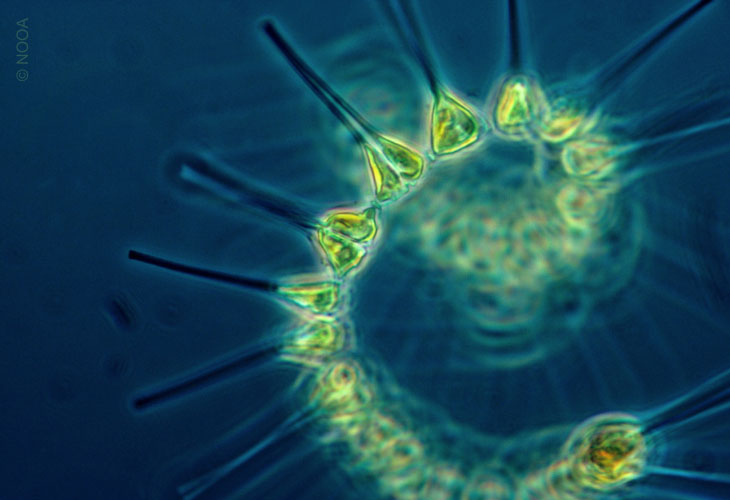
Algae are the foundation of the oceanic food chain. Phytoplankton, a type of microscopic algae, are primary producers, meaning they use photosynthesis to convert sunlight into energy. This process supports a wide array of marine life, from tiny zooplankton to large fish and whales.

Algae are also critical in regulating the Earth’s climate. Through photosynthesis, algae absorb carbon dioxide (CO2) from the atmosphere and release oxygen. In fact, it is estimated that marine algae produce up to 50% of the oxygen we breathe. By sequestering CO2, algae help mitigate the greenhouse effect and combat global warming.

While algae are beneficial, not all algal growth is good. Harmful algal blooms (HABs) occur when algae grow excessively and produce toxins that can harm marinelife, humans, and coastal economies. These blooms are often triggered by nutrient pollution from agricultural run-off, wastewater, and other human activities. It is crucial to manage these nutrient sources to prevent HABs and protect ocean health.

Role-of-Algae

Algae and Ocean Health in Bali

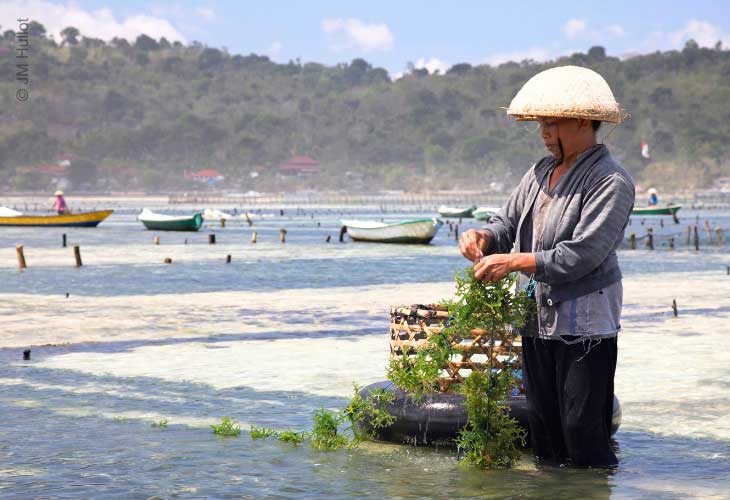
Bali, renowned for its stunning beaches and vibrant marinelife, is home to diverse algae species that are vital to its ocean ecosystems. The island’s coral reefs and seagrass beds provide an ideal environment for various types of algae, which support local fisheries and tourism. For instance, Nusa Lembongan, an island just off the south-east coast of Bali, is famous for its seaweed farming, highlighting the local community’s reliance on algae for their livelihood.

Diving in Bali offers a unique opportunity to witness the incredible biodiversity supported by algae. Sites like the Blue Lagoon in Padangbai and the coral gardens of Menjangan Island showcase the symbiotic relationships between algae and marine creatures. However, Bali also faces challenges such as nutrient pollution and climate change, which can impact the health of its marine algae.

Role-of-Algae-Seaweed-Farming-Bali-Indonesia

Supporting Algae and Ocean Health

As individuals, we can take several steps to support the health of algae and the broader marine environment, especially when visiting places like Bali:

Reduce Nutrient Pollution: Minimize the use of fertilizers and pesticides in your garden. Support policies and practices that reduce agricultural run-off and improve wastewater treatment.

Choose Eco-friendly Accommodations: Stay at resorts and hotels in Bali that practise sustainable waste management and support local conservation efforts.

Support Marine Protected Areas: MPAs help safeguard critical habitats, including those where algae thrive. Advocate for the expansion and enforcement of these protected areas in Bali.

Educate Others: Raise awareness about the vital role of algae and the threats they face. Share information with friends, family, and your community.

Participate in Citizen Science: Engage in citizen science projects that monitor water quality and algal health. Your observations can contribute valuable data to researchers and conservation efforts.

Join Beach Clean-ups: Participate in local beach clean-ups to reduce the amount of waste entering the ocean.

The health of our oceans is connected to our own well-being. Let’s work together to protect the vital role of algae in maintaining a balanced and thriving marine environment. In Bali, where the ocean is both a livelihood and a treasure, preserving marine algae is especially crucial for sustaining local communities and the natural beauty that attracts visitors from around the world.

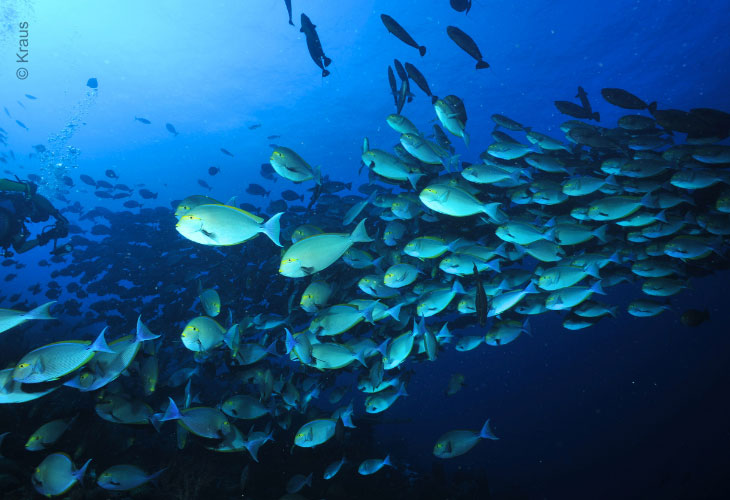
Role-of-Algae-Surgeonfish-Yellowfin

Mardia, AMD-B’s 2023 Intern

Mardia: New Aquarist, Raja Ampat Research & Conservation Centre

For the past 13 years, AquaMarine Diving – Bali has conducted an annual ‘11 Months Zero-to-Hero PADI Divemaster Internship for Young Indonesians’. The Internship is a major initiative by AMD-B to re-invest in Indonesia’s dive community and to raise awareness of global and local environmental issues. Everyone in AquaMarine strives to provide the highest level of all-round training and guidance.

In addition, a major part of each year’s Internship includes participation in ‘Blue Project by AMD-B‘. These include Project AWARE’s ‘Dive Against Debris’, Adopt-A-Dive-Site, Beach and Underwater Clean-ups, as well as several other projects that raise awareness of global and local environmental issues. By the end of their programme, our Interns confidently pursue careers within Indonesia’s dive industry as well as with NGOs and other conservation organisations.

One of AMD-B’s two 2023 Interns, Mardia, is now working as the Shark Aquarist for the Raja Ampat Research & Conservation Centre (RARCC) (part of ReShark).

Mardia-2023-Intern

Mardia as the Shark Aquarist

In 2023, after three years of planning, the StAR Project, powered by ReShark, started its mission to rewild endangered Leopard sharks (also known as Zebra sharks or Stegostoma tigrinum) in Raja Ampat. The StAR Project aims to reintroduce 500 Leopard sharks to Raja Ampat, ultimately establishing a healthy, self-sustaining population. Furthermore, the project also serves as a roadmap, allowing scientists to apply what they have learned to the rewilding of other endangered elasmobranch species.

Last month, RARCC received a new batch of shark eggs from the Georgia Aquarium and the Shark Reef Aquarium at Mandalay Bay. All the eggs successfully hatched. Three of the pups have been named Wooly, Myra and Ethan.

Mardia said “It’s exhilarating to be part of the ReShark Team. Working closely with the sharks and ensuring their well-being fills me with never-ending excitement, curiosity, and a sense of fulfilment. Here, people call me “Mama Hiu” (Mummy Shark) which I find cute and I love it!”
Here’s her first Instagram video from her new job.