


Dive Site: Tulamben Bay

Tulamben Bay: A Dive Site for Everyone

The small village of Tulamben, famous for both its black volcanic sand and the 120m USAT Liberty shipwreck, is quite rightly Bali’s most popular diving location. Tulamben is also the place in Bali where you are most likely to see internationally-recognised underwater photographers and journalists.

Tulamben Bay, like the rest of Bali, is situated in the world’s richest marine biogeographic zone: the Indo-Pacific. Due to Tulamben’s location on Bali’s north east coast, the Indonesian Throughflow (the major ocean current that moves from the Pacific to the Indian Ocean) supplies the bay with very plankton-rich waters.

This, together with the different physical environments within the bay, gives Tulamben a remarkably diverse underwater ecosystem.
Tulamben-Bay-Sea-Fan-Gorgonian

Popular Tulamben Bay Dive Sites

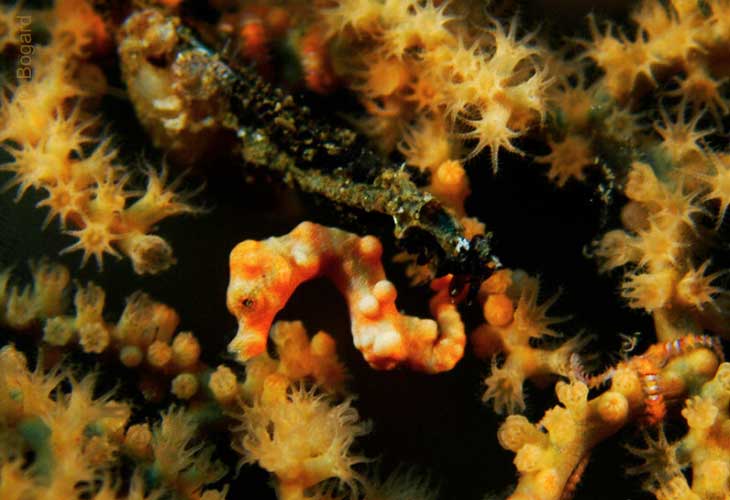
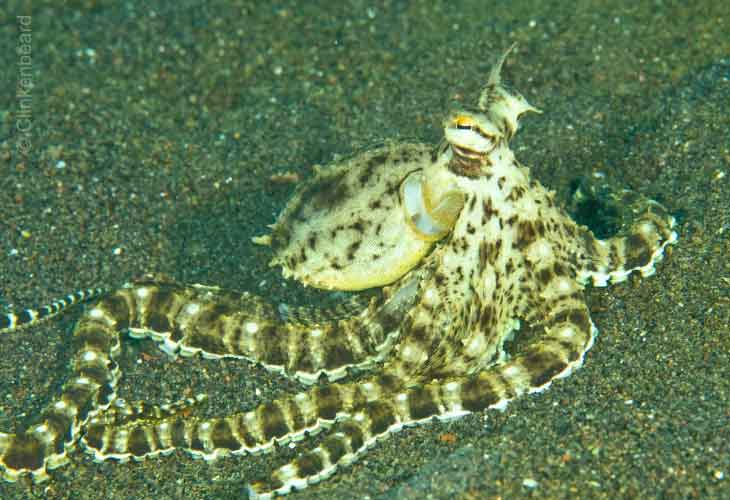
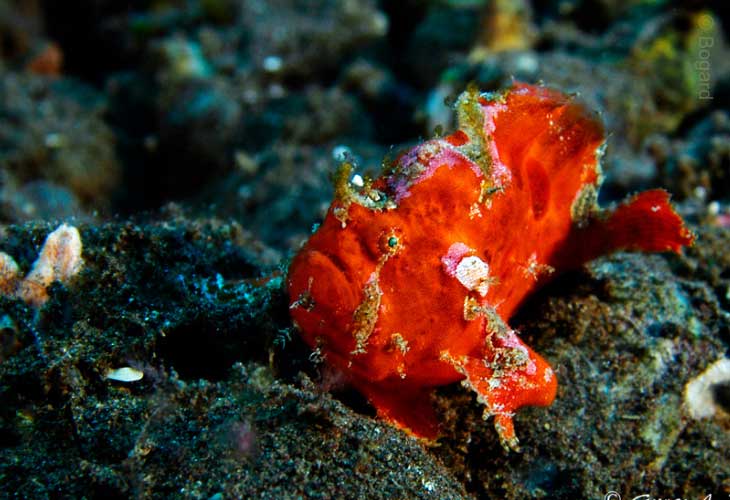
The 120m USAT Liberty shipwreck lies 20m offshore in depths of 5-30M, and is completely encrusted with hard and soft corals. The extraordinarily dense marinelife includes Clown frogfish (juvenile and adult), Bumphead parrotfish, a huge school of Big-eyed trevally, Leaf scorpionfish, and various pygmy seahorses. Wonderpus and Mimic octopus can be seen on early morning dives. The Wreck offers magical night diving with flashlightfish, Spanish dancers and cephalopods.

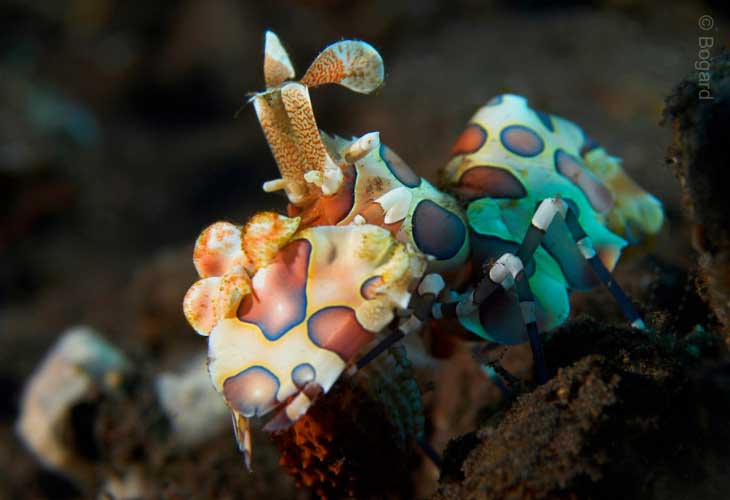
The Coral Garden, which runs eastwards from the USAT Liberty shipwreck, provides wonderful shallow dives where you’re limited by air supply rather than bottom time. You can expect to see a wide selection of marinelife from Thecacera nudibranchs, Harlequin shrimps and Boxer crabs, to frogfish and Ribbon eels in all stages of development.
Tulamben-Bay-Shrimp-Harlequin

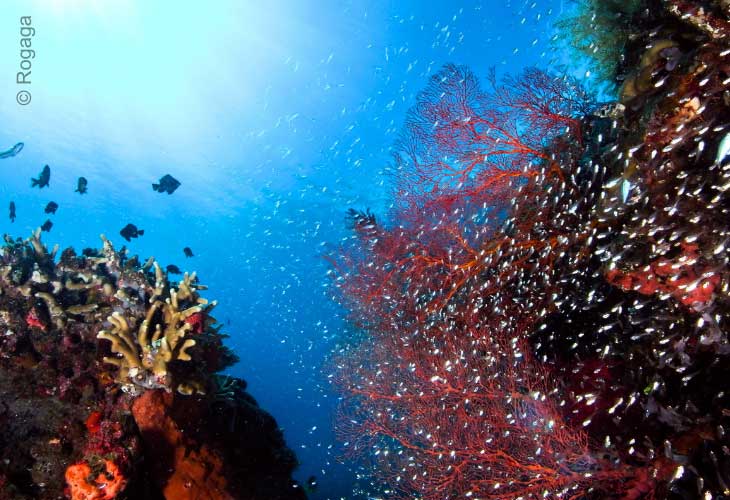
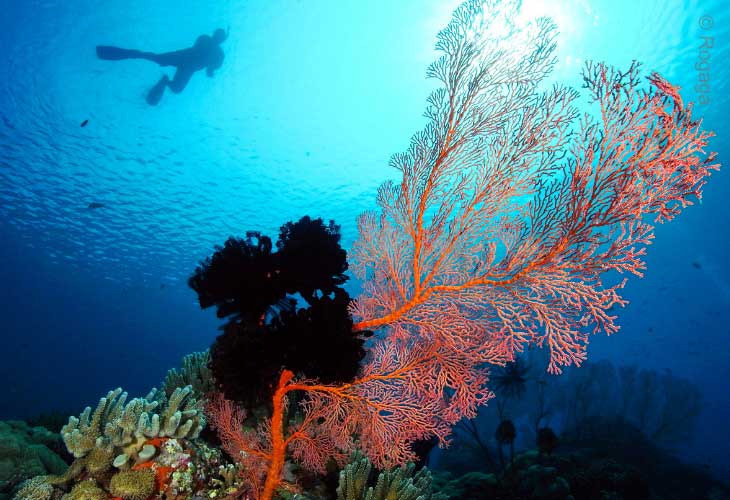
On The Wall/Drop-off you will find a wide variety of sponges, hard and soft corals, and Gorgonian seafans (one of 3m diameter) – while the larger marinelife includes reef sharks, with occasional sightings of Whalesharks and Mola-Mola. During the rainy season (Dec-March) the reef flats can receive some run-off but continue to yield surprises.

Being shore entry, Tulamben is also great for snorkelling and Discover Scuba Diving. Please note Tulamben has a stony, rather than sandy, beach.

Slightly north of Tulamben is Kubu, home of Bali’s newest shipwreck. Kubu reef has Gorgonian seafans, bommies with soft corals, scores of nudibranchs, and generally calm conditions.

Taking a local outrigger five minutes east of Tulamben Bay brings you to the sites of Palung-Palung/Alamanda, Batu Kelebit and Emerald Point. Within the Tulamben area, these are the sites where you are most likely to see pelagics including, on rare occasions, dolphins.
Tulamben-Bay-Frogfish-Freckled

Bali Topside Activities

Bali Topside Activities with AquaMarine

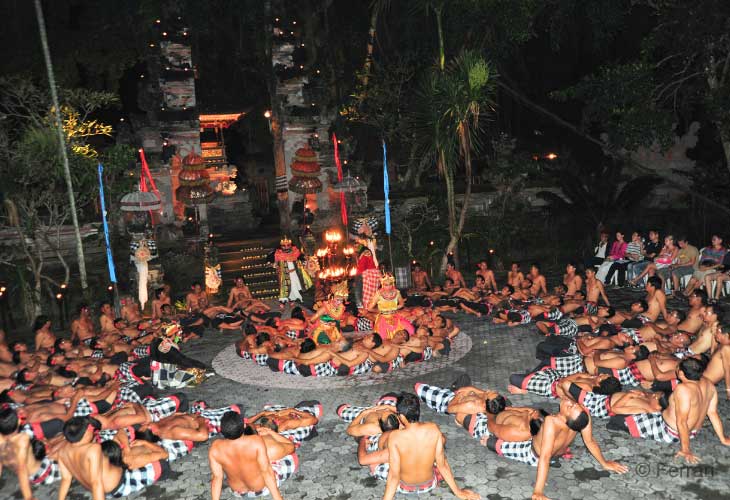
It is difficult to know where to start when listing Bali’s topside activities as they range from bird-watching walks and Balinese cookery courses to downhill cycling tours through Bali’s heartland and the ever-popular surfing as well as world-renowned golf courses. You can study puppetry or make your own batik sarong, learn the Balinese gamelan (xylophone) or try Balinese dancing.

Bali-Topside-Activities-Balinese-Dance

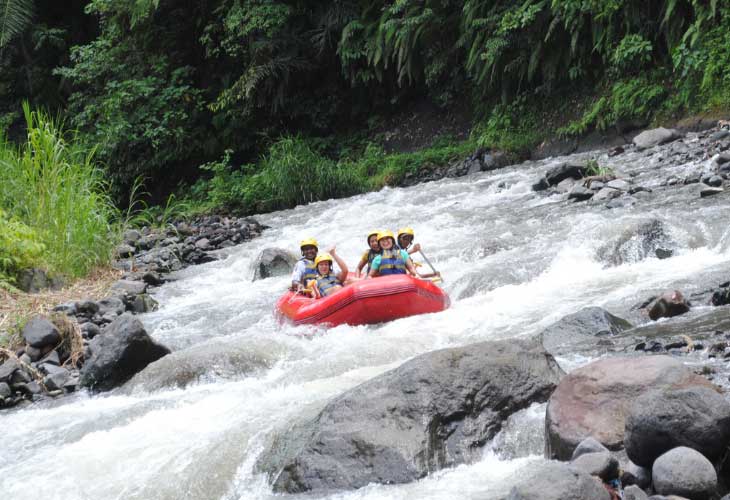
Whitewater rafting is available and you can horseride on the beach or through the rice fields. Several companies offer Daytime and Dinner cruises. Watersports abound: fishing, wind-surfing, para-sailing, banana-boating.

These days Bali is the spa capital of Southeast Asia with many hotels boasting their own spas and many independent spas throughout the island. Holidays are the perfect time to indulge yourself: treatments for jetlag and sunburn are usually available!

Bali-Topside-Activities-Rafting

Shopping and therefore bargaining (hard) is a way of life here, whether it’s for handicrafts, furniture, paintings, stone and wood carvings, fabric and soft furnishings, clothing, jewellery; whatever you need, it’s here in Bali. There are many cargo companies, too…

But perhaps the most enjoyable and educational activity of all is to learn about and experience Balinese culture. Deeply rooted in daily activities, ceremonies (such as tooth-filing) to mark each stage of this life can be witnessed all over the island. Visits to beautiful and spectacularly located temples are within 1-2 hours of most hotels in Bali.

Come and experience
The Island of the Gods for yourself
– you’ll find it hard to leave!

Dive Site: Amed

Dive Site Amed: A Little Known Treasure

Amed, the village, is located on the north east coast of Bali. Amed was traditionally dependent on salt-panning and fishing. Despite the arrival of tourists, Amed has retained the feeling of making it a place where people stay for weeks at a time.

Amed area is quiet with a lovely scenery. It makes a great location for 1 Day Bali Dive Trips. Conditions here, from the sandy shore or using an outrigger boat, are easy, with good visibility.

The dive sites actually stretch along the coast from Amed village (muck site) to Jemeluk and Bunutan, and beyond to Lipah Bay (Japanese Wreck site). Access to the various Amed dive sites is either from the shore or by jukung (local boat).

Dive-Site-Amed-Seafans

Popular Dive Sites in Amed

Popular sites in the area include Bunutan Point, the Japanese Wreck and Gili Selang.

Amed Reef (depth 12-22m), with many different kinds of sponges and Gorgonian seafans, is home to marinelife that includes lobsters, shrimp and goby sets, Blue-spotted rays, pygmy seahorses, and schools of fish from anthias to barracuda.

White-tip reef sharks, Napoleon wrasse, Giant trevally and large schools of bannerfish, snapper, and fusilier can be found at Amed Wall (10-35m). The deep slope after the wall is rich in invertebrates with crinoids and commensals.

Dive-Site-Amed-Pygmy-Seahorse

Bunutan Point (18-25m) starts with a gentle sandy slope which often has many different nudibranchs and other macro critters. Visibility is usually good although sometimes there are thermoclines.

Lipah Bay (3km south east of Amed), a small black sand bay, is home to The Japanese Wreck, a 20m steel freighter wreck (5-15m) that is encrusted with sponges, Gorgonian seafans and coral bushes, and inhabited by anthias, parrotfish and angelfish. The deeper slope has interesting seafans and is often dotted with a wide variety of nudibranchs.

The small island of Gili Selang on Bali’s eastern point has some protected areas with big bommies and low-lying, healthy corals where you may see White-tip reef sharks, Napoleon wrasse, nudibranchs and pygmy seahorses. The more exposed areas may have strong currents but can provide the opportunity to see large pelagics. Gili Selang can also be reached by fast boat from Padangbai.

Dive-Site-Amed-Octopus-Mimic