

The Difference between Pygmy Seahorses

Pygmy Seahorses and Their Unique Characteristics

by Hafid, AMD-B’s 2025 Divemaster Intern

Pygmy seahorses are among the most fascinating and elusive creatures of the underwater world. With their tiny size and remarkable camouflage, they have intrigued marine enthusiasts and scientists alike. Found primarily in the coral reefs of the Indo-Pacific, these seahorses have adapted to blend seamlessly into their surroundings, making them difficult to spot even by the most experienced divers. Below is a detailed exploration of popular species of pygmy seahorses and their distinctive features.

Hippocampus bargibanti

Hippocampus bargibanti is one of the most well-known pygmy seahorse species, first discovered in the waters of Indonesia. It has a minuscule size, measuring only about 2.5cm in length. This species is frequently found hiding within red or orange sponges, which provide perfect camouflage. Its unique ability to blend into its habitat makes it incredibly difficult to spot, despite its relatively abundant population.
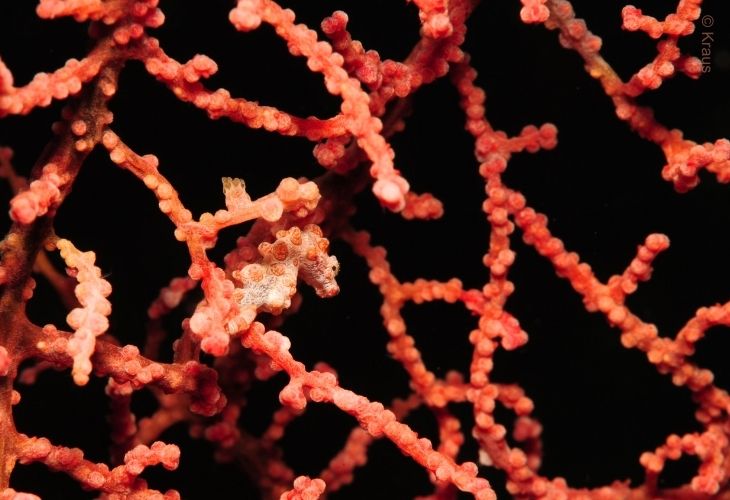
Pygmy-Seahorses-Hippocampus-bargibanti

Bargibant’s Pygmy Seahorse (Hippocampus bargibanti)

Hippocampus satomiae

This species was discovered in the waters around Halmahera Island in Indonesia. It is tiny, measuring around 2cm, and often resides in brightly coloured sponges. H. satomiae is known for its body texture and colouration, which closely resemble the sponges they inhabit, providing excellent protection from predators.

Hippocampus denise

Known as Denise’s Pygmy Seahorse, this species is even smaller than H. bargibanti, with a length of about 1.5cm. They are typically found in smaller sponges or coral reefs, often with vibrant colours like pink or orange. Found at depths between 10 and 50 meters, they have a slim, textured body, giving them a distinct appearance compared to other seahorses.
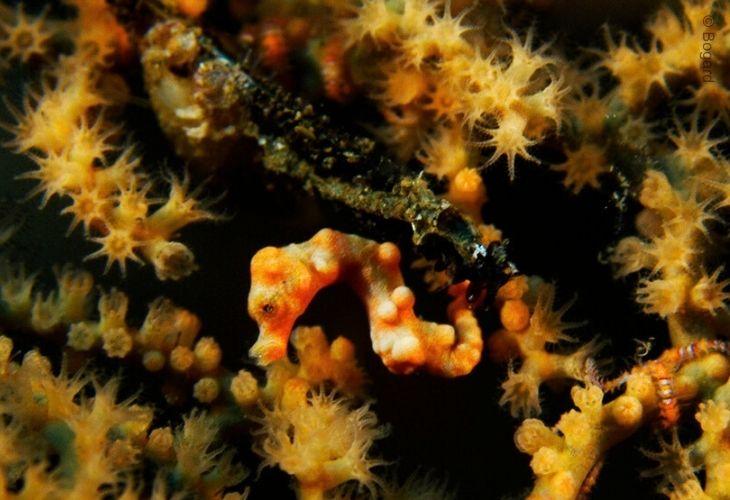
Pygmy-Seahorses-Hippocampus-denise

Denise’s Pygmy Seahorse (Hippocampus denise)

Hippocampus colemani

Found in the waters around Australia and Papua New Guinea, H. colemani is a slightly larger and fatter pygmy seahorse species. With lighter colours, they often hide in contrastively coloured sponges or corals. These seahorses prefer deeper waters, usually between 30 to 40 meters in depth.

Hippocampus pontohi

One of the smallest pygmy seahorses, H. pontohi has a body length of just 1cm. They are typically found hiding in brightly coloured sponges, particularly pink ones. Their exceptional camouflage makes them incredibly difficult to spot, even in areas frequented by divers.

Also, Hippocampus severnsi known as Severn’s seahorse is a small, rare species found in the Indo-Pacific region. Known for its distinctive appearance, it typically inhabits shallow coral reefs and seagrass beds. Like other seahorses, it feeds on small invertebrates. The H. severnsi was considered a separate species but is now recognised as a variation of the Pontohi.
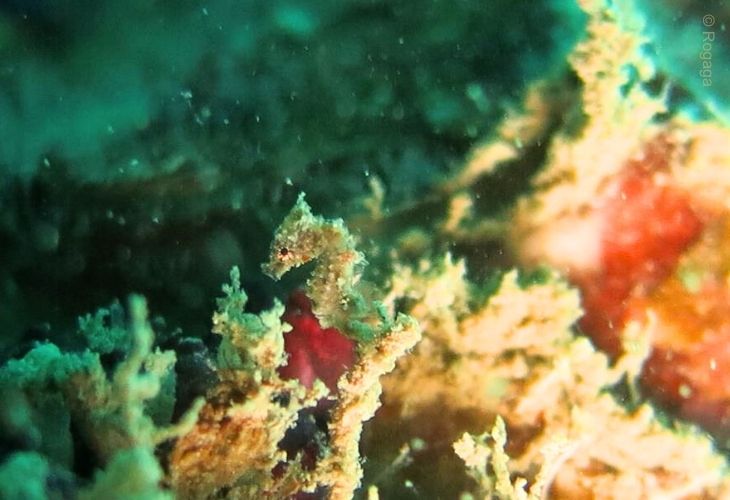
Hippocampus-severnsi

Severn’s Pygmy Seahorse (Hippocampus severnsi)

The Importance of Pygmy Seahorses

Pygmy seahorses are fascinating not only for their size and camouflage but also for their role in coral reef health. All species rely on coral reefs and the shelter provided by sponges and other marine structures. Their small size and sensitivity to environmental changes make them important indicators of reef conditions.

As pygmy seahorses depend on healthy, undisturbed reefs, their presence or absence signals the reef’s overall health. With coral reefs threatened by acidification, habitat destruction, and climate change, protecting pygmy seahorse habitats is crucial for maintaining marine biodiversity. In short, pygmy seahorses are not only marvels of nature but also vital to the conservation of coral reefs and the broader marine ecosystem.
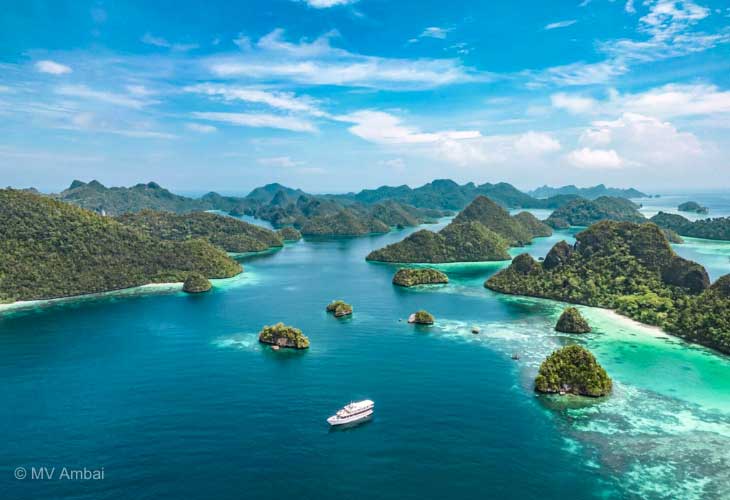
Indonesia Scuba Diving Discounts

Indonesia Scuba Diving Discounts through AquaMarine

AquaMarine can book an entire Indonesia diving package for you.

Book with AquaMarine and you will receive personalised service, direct one to one communication with your AMD-B Dive Travel Consultant. We can book dive resorts, liveaboards, land-based activities, and domestic air tickets. We will find the right trip for you!

Whether your planned scuba diving in Indonesia will be a long or short trip, or multi centre, to well known or obscure areas, AquaMarine can put everything together for you.

By booking through AMD-B you may be eligible for exclusive Indonesia Scuba Diving discounts. These may include:
– free add ons,
– free domestic flights,
– accommodation upgrades,
– extra dives,
– private guides,
– free Nitrox
and much more.

For more information and advice on Indonesia Scuba Diving discounts, please e-mail.

Indonesia-Scuba-Diving-Discounts-Raja-Ampat

Indonesian Archipelago

Indonesia consists of thousands of islands. There are both large and small islands, but there are two things they all have in common. Their natural, exotic beauty and fascinating cultures.

Indonesia is world renowned for its incredible marine biodiversity.

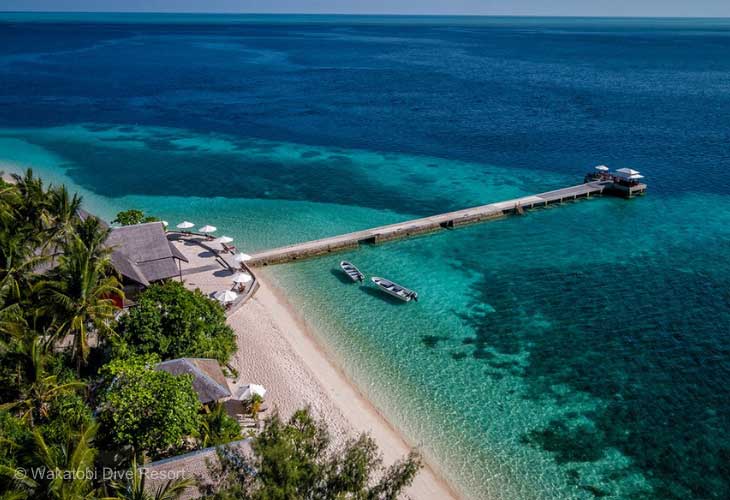
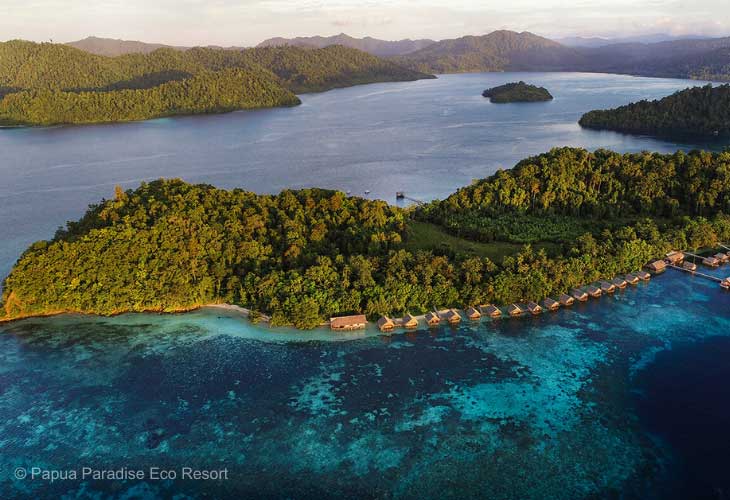
Some Indonesia dive destinations are already famous. Komodo National Park is known for drift diving with pelagics. North Sulawesi includes the critter haven of Lembeh Strait, and the rich walls of Bunaken Marine Park. Raja Ampat has amazing underwater limestone scenery. Dive Wakatobi Islands with their long, pristine reefs.

Bali is not the only place in Indonesia with phenomenal diving. Therefore, to ensure we provide a comprehensive service for our clients, AquaMarine Diving – Bali is an agent for other reputable dive resorts and liveaboards throughout Indonesia.

Indonesia-Scuba-Diving-Whalesharks

We can arrange for you to dive in Bali to prepare for your Indonesia adventure. For example, take a PADI Wreck Diver Course before going to Cendrawasih Bay. Or learn Drift diving before a Sangalaki trip.

We Make Diving Indonesia Easy!

Scuba Diving in Indonesia

Scuba Diving in Indonesia

If you have not yet dived Indonesia, you are missing out!

The Indonesian archipelago consists of thousands of islands, both large and small, but there are two things they all have in common: Their natural, exotic beauty and fascinating cultures. Indonesia is also world-renowned for its incredible marine biodiversity.

Indonesia’s Diving Destination

Some Indonesian dive destinations are already famous: Komodo National Park for drift-diving with pelagics, and muck dives; North Sulawesi with the rich walls of Bunaken Marine Park and the critter haven of Lembeh Strait; the underwater limestone scenery of Raja Ampat, or the Wakatobi Islands with their long, pristine reefs.

Indonesia-Diving-Wakatobi-Islands

However Indonesia also offers other wonderful underwater treasure troves:

With their amazing coral formations, Alor and Pantar Islands (Flores) are favourite dive locations for adventure-loving divers.

Ambon and Halmahera in the Spice Islands (Maluku) offer outstanding muck diving and healthy reefs.

Bangka Island (N Sulawesi) is popular with divers seeking more isolated areas. The dive sites can have currents but offer colourful corals swarming with small, tropical fishes and many hunting pelagics.

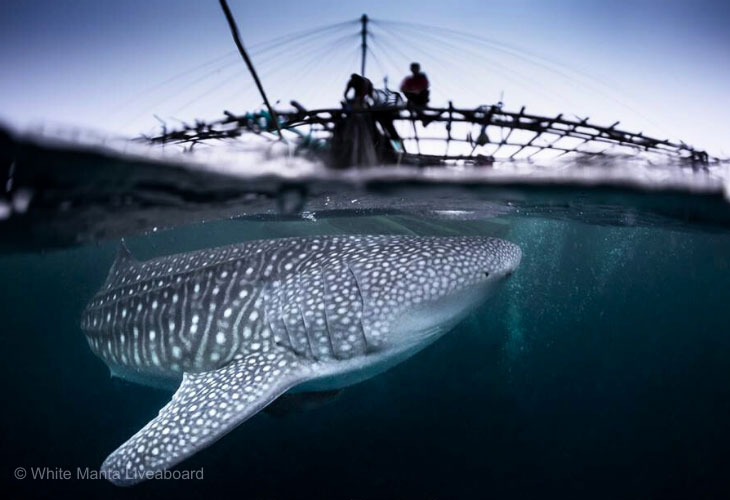
In West Papua, Cendrawasih Bay is famous for the resident Whalesharks that feed at fishing platforms and Manokwari Bay for its WWII Japanese shipwrecks.

In the Gulf of Tomini (central Sulawesi), Gorontalo aka “The Sponge Capital of the World” remains relatively unexplored, while the Walea Strait offers an ideal environment for healthy and gorgeous coral life along with very calm seas.

Maratua and Sangalaki (Borneo) have impressive drop-offs with great drift diving to see pelagics.

These areas, and many more, make up the world’s richest marine biogeographic zone: Indonesia.

Indonesia-Diving-Raja-Ampat-Island

Indonesia’s Diving with AquaMarine

AquaMarine Diving – Bali is proud to represent reputable dive resorts and liveaboards throughout the archipelago.

Whether you would like a long or short trip, or multi-centre; to well-known or obscure parts of Indonesia, AquaMarine’s ‘Beyond Bali’ Dive Travel Consultants can book the entire package for you: Dive resorts, liveaboards, land-based activities, and domestic air tickets – often with free add-ons, domestic flights, accommodation upgrades, extra dives, private guides, Nitrox.