


Maratua Island

Maratua Island

Located in the Derawan Archipelago which lies off the coast of East Kalimantan, the Indonesian part of the island of Borneo, this large, upside-down U-shaped island partially encircles a massive lagoon at one end and is fringed with sheer rocky walls and coral reefs at the other.

Maratua covers 384sq kms of sandy white beaches and mangroves, and 3,735sq kms of territorial waters which scientists believe contain the third highest level of marine biodiversity in the world (after Raja Ampat and the Solomon Islands).
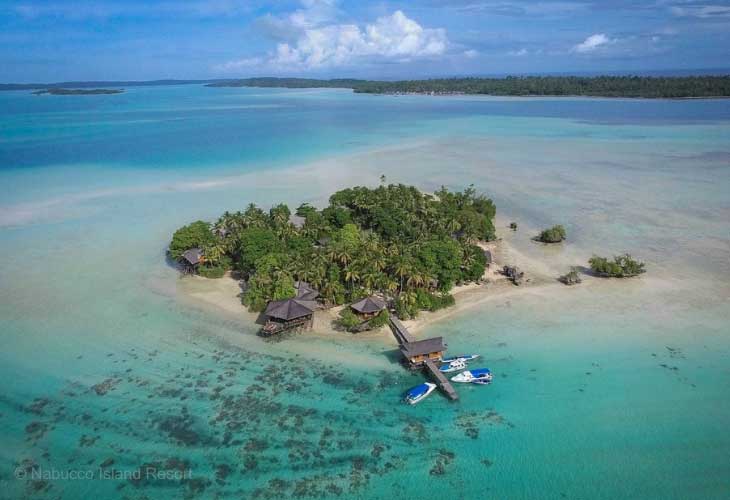
Maratua-Island

Diving in Maratua Island

“Vertical walls, pristine corals, strong currents and lots of big fish” summarise the diving in Maratua. It’s also been called “The Turtle Capital of Indonesia”. Visibility of 40-60m is common due to being almost 70kms from the mainland.

There are 20+ dive locations around Maratua. One stand-out dive is the incoming-to-slack high tide drift through the channel (entrance is 27m) into Maratua’s lagoon. These strong currents attract large pelagics including Eagle, Devil and Giant stingrays, Whalesharks, and many kinds of sharks including Grey and White-tip reef, Leopard, Hammerheads, and Threshers.

Around the island, you are guaranteed to see pristine corals in the shallows as well as impressive drop-offs.
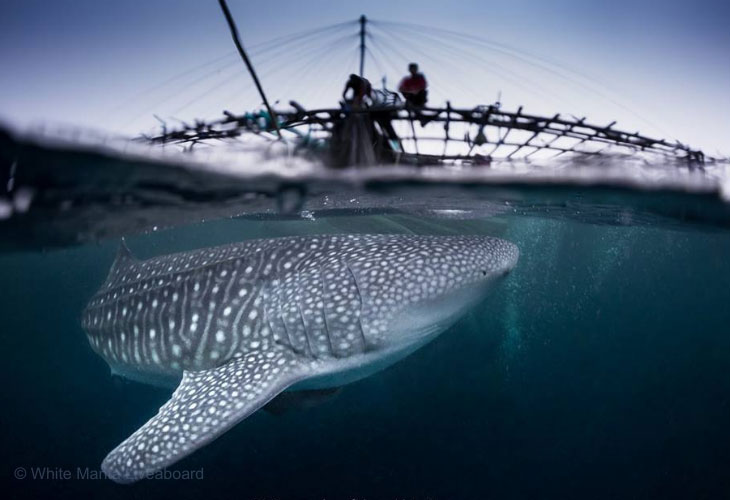
Maratua-Diving-Whale-Shark

Maratua Diving Season

Maratua’s diving is good year-round with the best months being July to October (the dry season), however higher numbers of Manta rays are seen October to June.
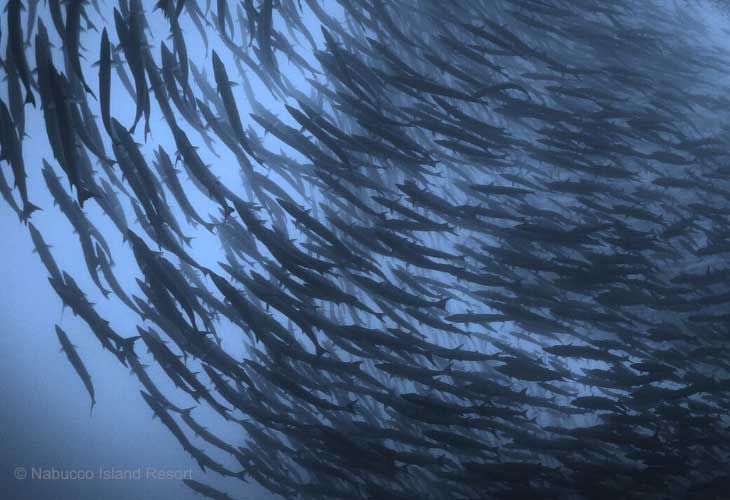
Maratua-Diving-Schools-of-Barracuda

How to reach Maratua Island

Fly to Balikpapan from Jakarta and Manado international airports, and Surabaya and Makassar domestic airports, then take an onward flight to Berau or Tarakan.
– Our resort partners will arrange transfers from Berau airport.
– Liveaboards generally use Tarakan airport for embarkation and disembarkation.

For more info on Maratua resorts, liveaboard routes/schedules that include Maratua island, and to start your planning, please make sure your AMD-B Travel Consultant is aware of your needs. As always, they will be more than happy to offer recommendations and make arrangements to suit your preferences.
Contact us on Tours@AquaMarineDiving.com today!
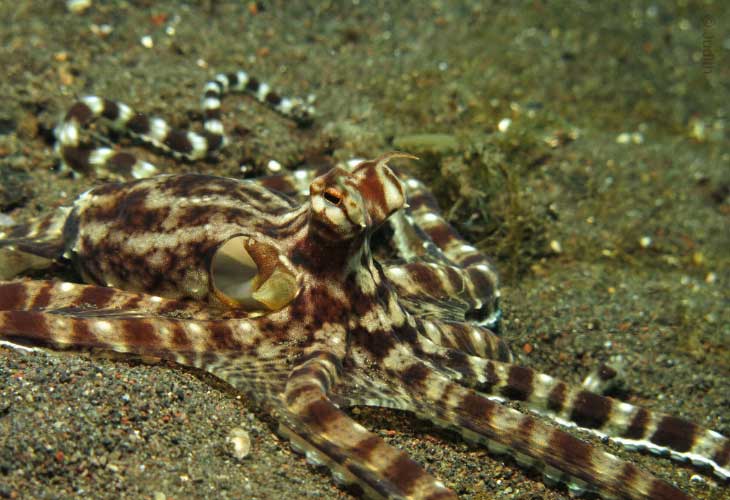
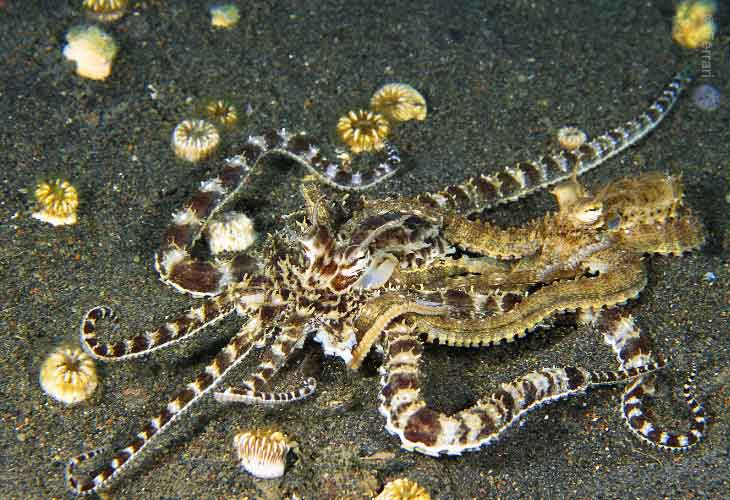
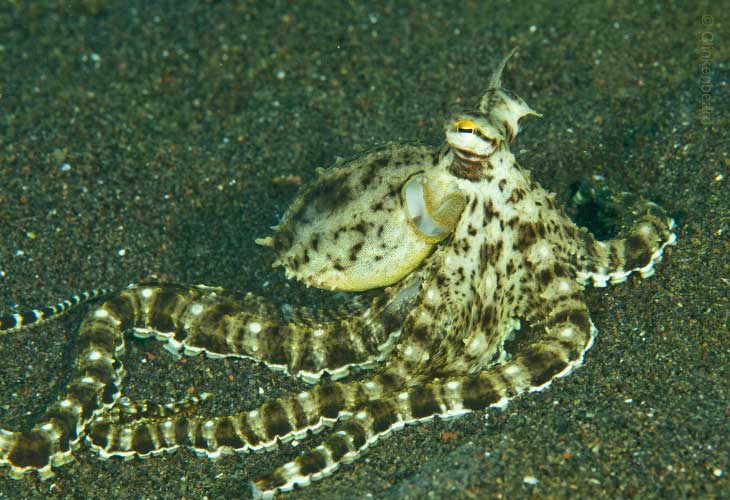
The Mimic Octopus

Mimic Octopus a.k.a Thaumoctopus mimicus

The mimic octopus is a fascinating and unique creature that has gained worldwide attention for its incredible ability to change its appearance to mimic other animals. This fascinating creature, scientifically known as Thaumoctopus mimicus, certainly lives up to its name. Derived from the Greek word “thauma” meaning “marvelous”. This charming creature is truly a master of disguise. It can mimic the appearance and movements of other animals, such as sea snakes, flounder, stingrays, jawfish, snake eels, and even lionfish.

Octopus-Mimic

Marinefacts

The mimic octopus is found in the waters of the Indo-Pacific, where it employs its mimicry abilities as a survival strategy to elude potential predators and capture prey. Mimic octopuses use mimicry as a defensive mechanism, predominantly during feeding. These organisms engage in diurnal foraging activities within exposed sandy areas, rendering them susceptible to potential predation. This phenomenon could explain the prevalence of poisonous and venomous marine organisms in mimicry.

The mimic octopus is exceptionally intelligent, particularly to its predators. The octopus learns which animals annoy its predators and assumes their form to repel potential danger. When bothered by damselfish, for instance, the mimic octopus takes the form of a sea snake that preys on damselfish.

But the mimic octopus is not just a master of disguise. It is also a skilled escape artist. When threatened, it can use its flexible body to squeeze through tiny spaces and disappear into the safety of the surrounding coral reefs.

Couple-Octopus-Mating

The Challenges Mimic Octopus Face

While the mimic octopus is a master of disguise, it unfortunately faces threats from human activities such as overfishing and pollution. We must take action to preserve the natural habitat of this fantastic creature. The mimic octopus is a remarkable animal showcasing the astonishing diversity of life in our oceans. Its ability to mimic other animals is a testament to the adaptability and ingenuity of nature. We must do our part to protect this unique creature and the fragile ecosystems it calls home.

Thaumoctopus-Mimicus

Incredible Manta Rays in Paradise

Incredible Manta Rays in Paradise

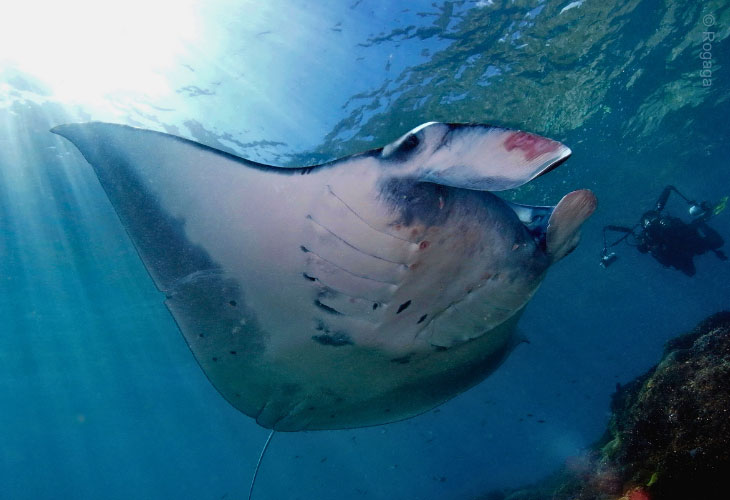
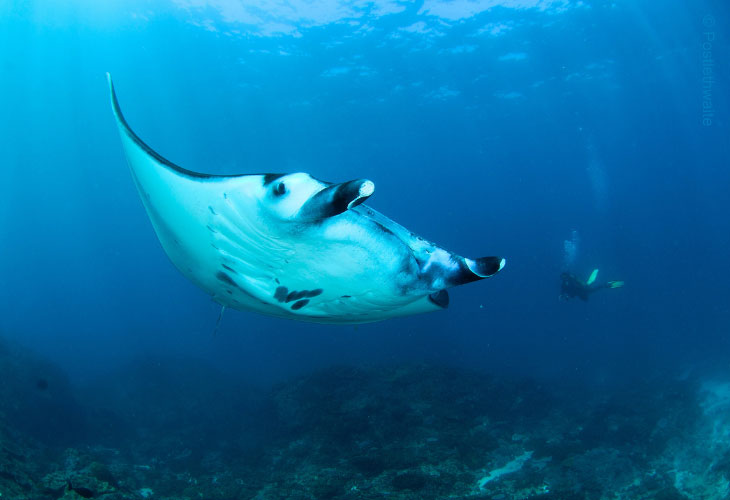
Manta rays are one of the world’s most exotic marine creatures! They are the largest rays and are highly intelligent. Mantas are found in tropical, sub-tropical and temperate waters around the globe.

There are two kinds of Mantas: The (pelagic) giant oceanic manta ray (Manta birostris), and the (coastal) reef manta ray (Manta alfredi).

Actually, a 2017 taxonomy study found that mantas are actually mobula rays (aka devil rays) – so Giant manta would be Mobula birostris, and Reef manta, Mobula alfredi – but everyone knows them as mantas 🙂

Manta-Rays-Alfredi

Manta rays in Indonesia

In 2014, the Indonesian government placed a country-wide ban on fishing and trade in Manta rays based on the simple fact that Mantas are worth a lot more in terms of tourist dollars than in fish markets. The estimated value of a single Manta ray over its lifetime is estimated to be USD1 million vs. USD40-500 when caught and killed.

In December 2020, the International Union for the Conservation of Nature (IUCN) changed the conservation status of the Giant Manta rays from Vulnerable to Endangered on the Red List of Threatened Species.

Scuba divers usually encounter Mantas at their feeding locations. They have several creative feeding techniques ranging from doing repeated somersaults to stay in one spot that’s packed with krill, or chain-feeding where they follow each other in a circle, mouths open, to create a cyclone effect, trapping their food in the spiral.

Manta-Rays-Birostris

Where to Find Manta Rays

The four main locations to see Manta rays in Indonesia are:

Manta Point, SW Nusa Penida (just off mainland Bali)
We are very lucky to see Manta rays year-round at Bali’s Manta Point. It is genuinely rare to dive here and not see them 🙂 In season (June-October), you may also see the weird-but-wonderful Southern sunfish, Mola alexandrini (known locally as Mola-Mola) and other pelagics such as tuna and Tiger mackerel.

Komodo National Park
Diving here is year-round; the best months to see Manta rays are during the rainy season from late November to February.

The Alor archipelago
Also known for sightings of Eagle rays as well as Mantas, plus sharks, Dog-tooth tuna and other pelagics.

Raja Ampat, West Papua
During the October to March rainy season, although visibility is lower, the water is rich with nutrients meaning you are likely to see more Mantas 🙂

If the above has whet your appetite and, like so many of our ‘Bali & Beyond’ guests, you can’t wait to start planning – please contact your friendly AMD-B Dive Travel Consultant on Tours@AquaMarineDiving.com today to start YOUR planning!