

Komodo

Scuba Diving in Komodo National Park

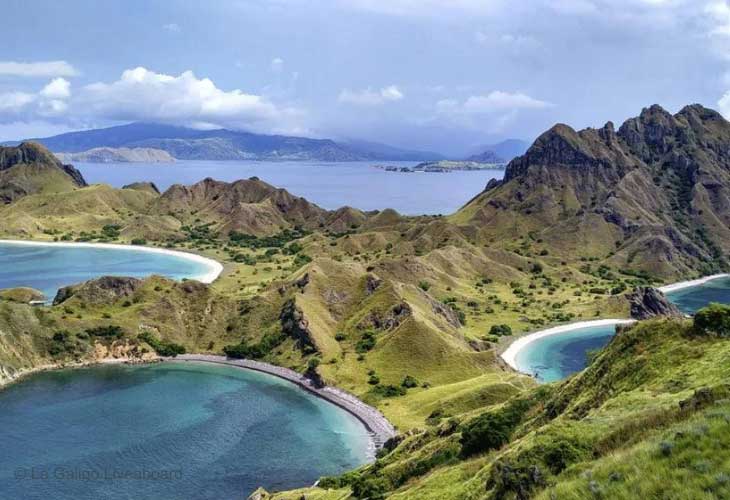
Komodo National Park comprises the area’s three major islands: Komodo, Rinca, Padar and many smaller islands, the macro areas of Sangeang volcano and Sumbawa, and the barrier reef of Moyo Island.

Komodo and surrounding islands are located in the straits within the Lesser Sunda Islands between Sumba and Flores. Designated a UNESCO World Heritage site in 1991, the islands have a dry savannah landscape with pockets of thorny green vegetation, white and red sandy beaches, and lagoons for swimming and snorkelling.

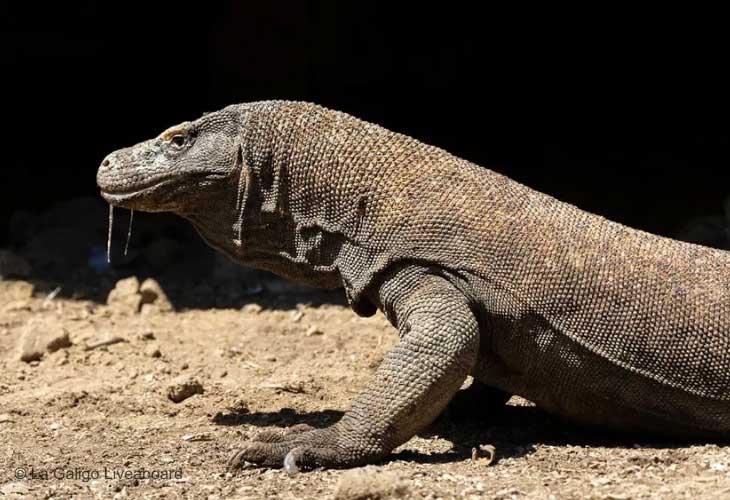
In addition to the spectacular diving, Komodo National Park is home to the world’s largest lizard, the Komodo Dragon (Varanus komodoensis). Komodo dragons are endemic to eastern Indonesia and mainly found on the islands of Flores and Komodo. In 2021, the Komodo dragon was entered on the International Union for Conservation of Nature (IUCN) ‘Endangered’ list. This means it has a “high risk of extinction”.
The-Komodo-Dragon

Diving Komodo National Park

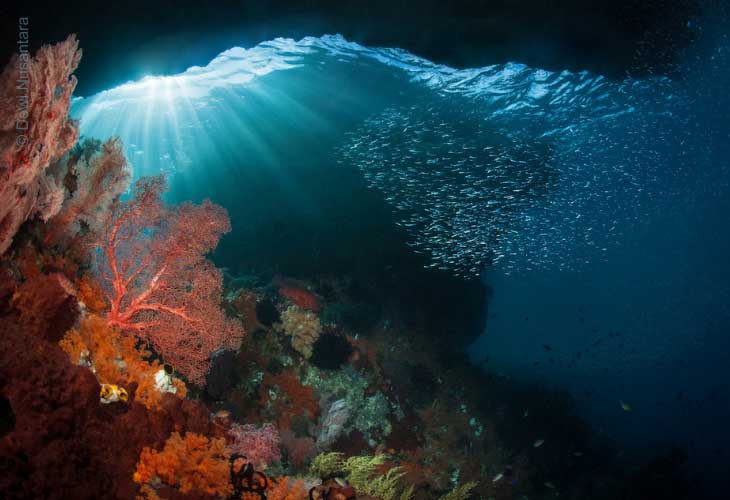
Being part of the Coral Triangle, Komodo National park offers some of the richest marine biodiversity on Earth.

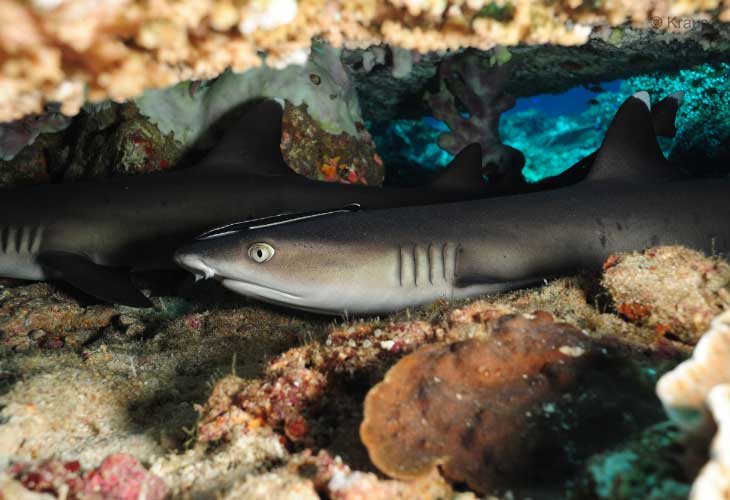
Liveaboard diving is the most popular choice due to the distance between dive sites. Komodo’s northern sites are sometimes subject to strong currents but offer the chance to see schooling White-tip and Grey reef sharks, large schools of Giant and Blue-fin trevally, Big eye jacks, different species of turtles, even dolphins and dugongs. At quieter times, massive Napoleon wrasse in good numbers and Eagle rays come in from the blue.

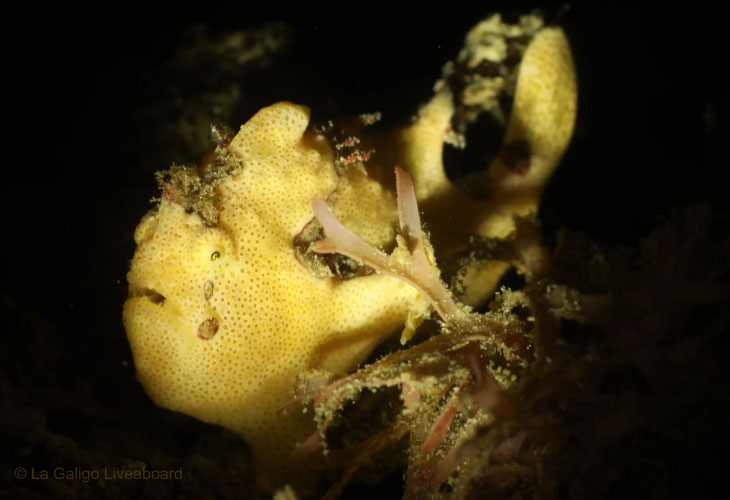
In the south is the world-famous site Cannibal Rock in Horseshoe Bay, Rinca, home to some rare nudibranchs, several species and colours of Rhinopias, and a host of frogfish.

There are several Manta aggregation sites where divers can fly with literally squadrons of these magnificent creatures.
Diving-Komodo-National-Park

Seasons and Dive Conditions in Komodo National Park

Dry Season is April to November and is considered the best time to dive here.

However Wet Season ie: north-east monsoon (December to February) is also Manta Season 🙂 but can have reduced visibility.
Late November usually gives less rough seas but plenty of Manta sightings.

January to March: The northern dive sites become quite rough; consequently some land-based dive centres close at this time. If this is the only time available to you, AquaMarine suggests taking a liveaboard to visit southern dive sites. Our Dive Travel Consultants can help you with this.

Some of Komodo’s dive sites can have challenging currents; eg: Karang Makassar (Manta Point) so AquaMarine advises you refresh or upgrade your skills before heading over there to ensure you maximise your enjoyment.
Diving-Komodo-Frogfish

How to reach Komodo National Park

There are liveaboards offering the round-trip between Bali and Komodo National Park.

Otherwise, coming from overseas, you would fly into Bali or Jakarta and then catch a domestic flight to Labuan Bajo. From there you either join a liveaboard or use local dive centres and resorts to explore nearby dive sites. In addition, there is a dive centre on Sebayur Island which is within the National Park.

On off-gassing days, we can arrange visits to see the actual Komodo dragons: Imagine 3m/10ft and 150lbs/70kgs of lizard! (The largest verified specimen was 366lbs/166kgs…) Don’t let their bulky appearance fool you as they can sprint up to 12mph/20km/h. They can dive to 15ft/4.5m and, when young, use their massive claws to climb trees. To catch out-of-reach prey, they stand on their hind legs and use their tail as support.

If you’re ready to experience Komodo National Park – or elsewhere in Indonesia! please contact AMD-B’s ‘Beyond Bali’ Dive Travel Consultants today on.

As always, they will be more than happy to offer recommendations and make arrangements to suit your preferences!
Shark Attack

Shark Diving in Indonesia

Looking for some shark-y Indonesia diving? AMD-B ‘Beyond Bali’ Dive Travel Consultants would be delighted to put together the best possible arrangements to enable you to visit one – or all! – of the below Indonesian dive destinations! You can contact them on Tours@AquaMarineDiving.com.

Shark-Diving-Reefshark

Komodo, Raja Ampat, and Bali

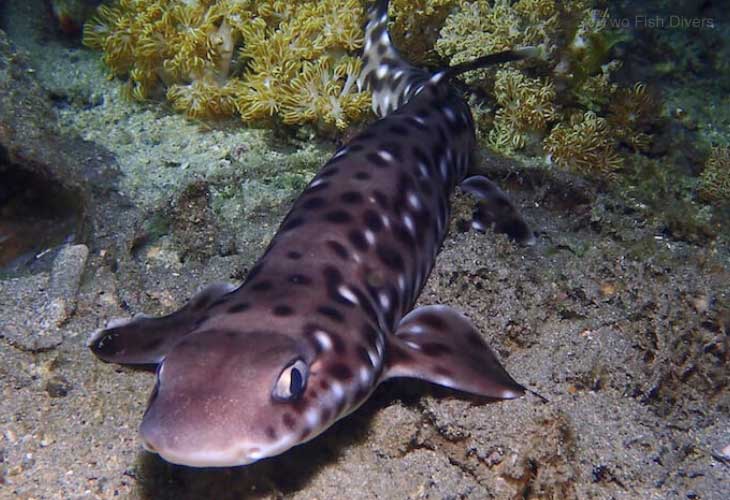
Catsharks in Komodo: Night-diving will increase your chances of encountering them as they’re nocturnal hunters.

Carpet aka Wobbegong sharks: There are multiple Raja Ampat dive sites where you can encounter Wobbegongs. You’ll see them lying on the bottom (including in caves) – hence the name ‘carpet’ – and are pretty cool with ambushing their prey. Also expect to see Grey and Black-tip reef sharks.

Reef sharks at Mimpang/Tepekong, Bali: You can see them out in the open, and sleeping in caves and under table corals. They’re very timid so please don’t harass them.

Shark-Diving-Catsharks

West Papua, South Lombok, and Alor

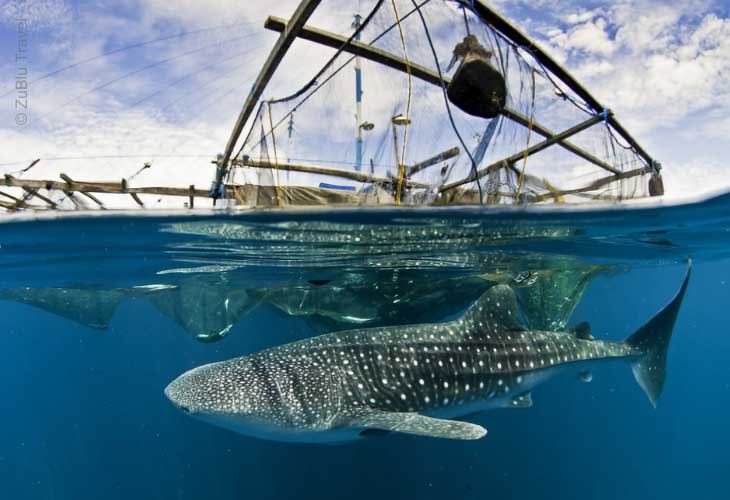
Whalesharks in Cendrawasih Bay & Triton Bay, West Papua: You can visit either location whether you’re on a liveaboard or on a Day Trip from a resort. At most dive destinations, Whaleshark sightings are considered rare however these Whalesharks appear to be resident. However, you do need to know where and when to visit.

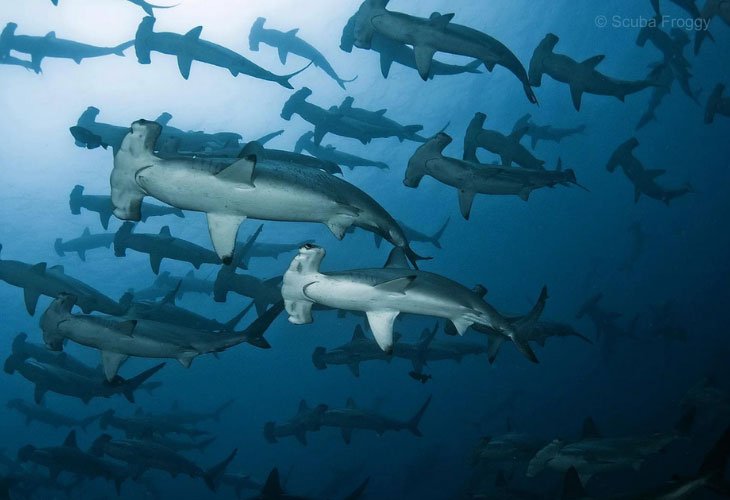
Hammerhead sharks at ‘The Magnet’, South Lombok: You’ll need gloves and a reef hook! Hammerhead season here is July to October; the currents can be VERY challenging however it’s worth it – “schools of hammerheads” should be on your bucketlist!
Hammerheads are also seen in the Banda Sea on their seasonal, migratory routes.

Thresher sharks in Alor: This one is like hitting a jackpot! There are multiple, seasonal records of schooling Thresher sharks in Alor but remember that sadly these days they are endangered and pretty rare.
A non-profit foundation registered under the Indonesian government has been established to pass on to the local populations that these creatures are at a high risk of extinction. Want to come and try your luck?

Shark-Diving-Hammerhead

Note: The majority of the dive sites where these big pelagics are usually encountered can have quite challenging currents. We suggest you get an Advanced certification (dive to greater depths) and – perhaps more importantly – your Drift Dive specialty before proceeding on your Indonesia Shark Diving Adventure.

Cenderawasih Bay

Cenderawasih Bay, West Papua

Located in the Bird’s Head peninsula, Cenderawasih Bay is the location for the largest (1.5 million hectares) National Marine Park in Southeast Asia. Acclaimed as the ‘newest’ dive destination in the region, the bay is more than 300kms wide, and has a 700kms coastline with several rivers emptying into it.

Cenderawasih Bay includes 18 pristine paradise-like islands and combines a coral reef ecosystem with mangrove and terrestrial tropical forests. Here you can find endemic flora and fauna, including the Birds of Paradise.

Cenderawasih-Bay-Coral-Reef

Diving in Cenderawasih Bay

Diving here is done by liveaboard, usually on trips of 10 days and longer. The resident whalesharks are the primary reason people visit this remote area. They are resident simply because they have a continual supply of sardines that fall from the nets of the floating fishermen’s platforms. These massive, slow-moving fish simply ignore any divers and snorkellers; it really is an amazing and unique experience!

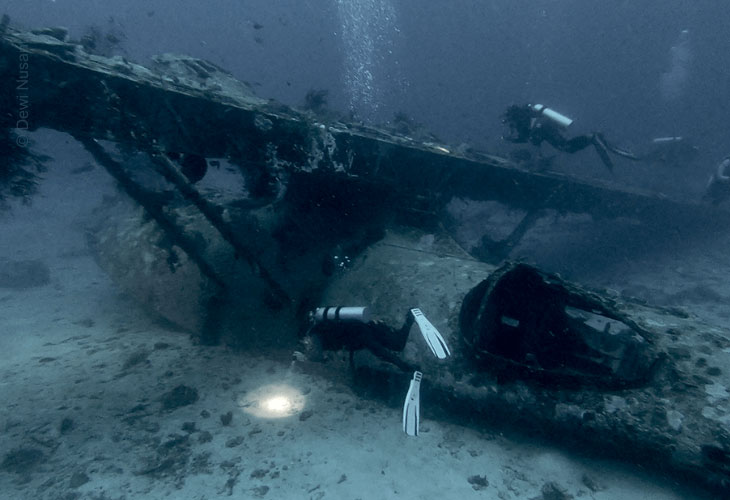
The Cenderawasih region is a remarkable dive destination for large and small animals, beautiful reefs bursting with life, and a dozen WWII shipwreck sites across the bay. One of the most famous wrecks is the Shinwa Maru which lies at 16-34m, a large cargo vessel with two huge holes from bomb damage on its starboard side. Other famous dive sites in this region are Kwatisore Bay, well known for the whalesharks and Sungei Omiand, a muck site with a black volcanic sand seabed.

Cenderawasih Bay is a perfect remote destination for a sailing holiday and one of the best scuba diving destinations in Indonesia.

Cenderawasih-Bay-WW2-RAAF-Catalina-Wreck

Cenderawasih Bay Diving Conditions

Diving here is basically good year round however the liveaboard ‘season’ is normally May to October. Heavier rain can be expected July/August and November/December. Surface conditions are usually calm with currents ranging from moderate to strong depending on the dive site. The visibility is 10-30m with the temperature relatively constant at 27°-30°C.

Cenderawasih-Bay-Whalesharks

How to reach Cenderawasih Bay

Most liveaboards use the 3 small towns of Manokwari, Biak and Nabire as their embarkation and disembarkation ports. There are daily domestic flights from Jakarta to Manokwari, Biak or Nabire (with stopovers in Makassar/Surabaya and Sorong). Carriers servicing the area are Garuda Indonesia, and Sriwijaya Air. Another option is to fly from Manado to Sorong and take a connecting flight to Manokwari.

For more information on Cenderawasih Bay diving, dive resorts, transfers, and to start your planning, please contact AMD-B’s ‘Beyond Bali’ Dive Travel Consultants today. As always, they will be more than happy to offer recommendations and make arrangements to suit your preferences. Contact us on Tours@AquaMarineDiving.com today!