

Sea Turtles of Bali

Sea Turtles of Bali: Best Places to See Them and How to Protect Them

Bali is a tropical paradise for travellers — but it’s also a sanctuary for some of the world’s most fascinating marine animals: sea turtles. Whether you’re diving along vibrant coral reefs or walking along a quiet beach at sunset, there’s always a chance you’ll encounter one of these ancient, gentle creatures.

In this guide, we’ll cover the species of sea turtles found in Bali, the best places to see sea turtles in Bali, and the inspiring conservation efforts working to protect them.

Species Found in Bali: The Best Places to See Sea Turtles

If you’re wondering where and how to spot a sea turtle in Bali, you’re not alone. These creatures are high on many travellers’ wish lists — and the island delivers. Here are the most common species you’ll find, along with the best places to see them in Bali.

🐢 Green Sea Turtle (Chelonia mydas)
Green sea turtles are the most commonly spotted turtles around Bali. They’re often seen feeding on seagrass or resting on the reefs. Calm and curious, they’re a favourite among snorkellers and divers.

Best places to see green sea turtles in Bali:
Padang Bai – Especially near the Blue Lagoon.
Kuta Reef – Just off the busy tourist beach.
Amed – A quiet snorkelling spot with coral gardens.

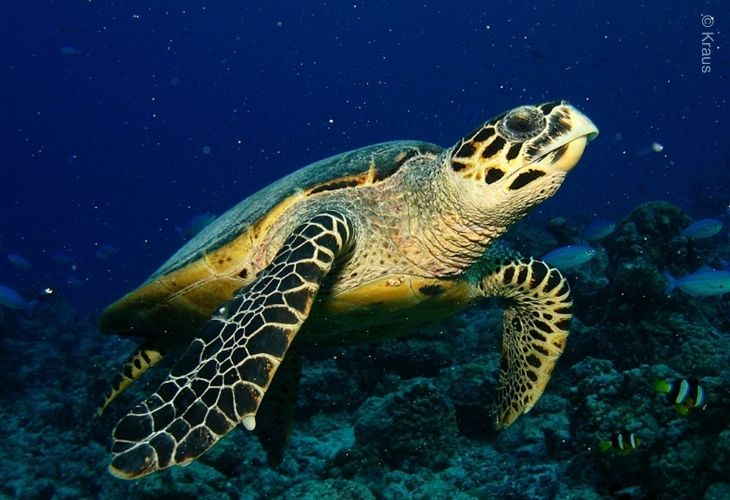
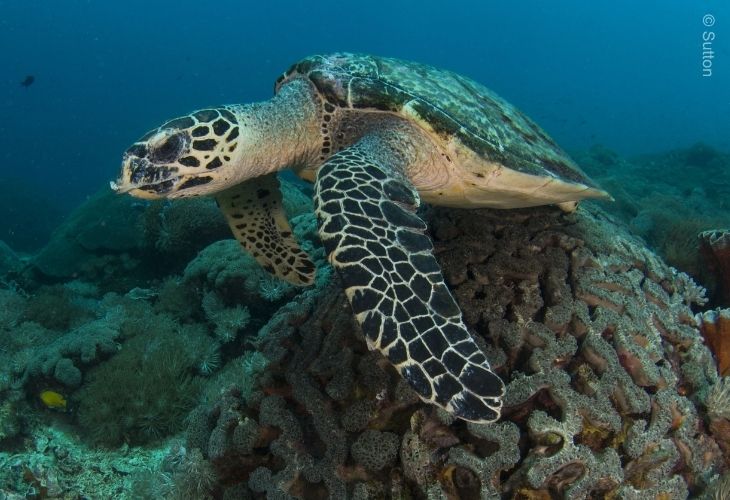
🐢 Hawksbill Turtle (Eretmochelys imbricata)
Hawksbill turtles are beautifully marked with distinctive shells and are crucial for coral reef health, feeding primarily on sponges. They’re slightly more elusive but frequently found in coral-rich waters.

Best places to see hawksbill turtles in Bali:
Nusa Lembongan – A favourite diving spot with healthy reefs.
Nusa Penida – Offers a great chance to see hawksbills along reef slopes.

🐢 Olive Ridley Turtle (Lepidochelys olivacea)
These small but mighty turtles are the rarest of the three seen around Bali. Known for their mass nesting events (barricades), they’re less commonly spotted but still make appearances near key conservation zones.

Best place to see olive ridley turtles in Bali:
Serangan Island (Turtle Island) – Visit during nesting season for a rare glimpse.
Sea Turtles of Bali

Protecting Paradise: Sea Turtle Conservation in Bali

While Bali is one of the best places to see sea turtles, these beautiful animals face serious threats. Habitat destruction, plastic pollution, and illegal trade have all taken a toll on sea turtle populations worldwide — and Bali is no exception.

Fortunately, local communities and conservation groups are stepping up.

🐣 Turtle Hatcheries and Nesting Programs
Conservation centres around Bali are working hard to protect turtle nests and increase hatchling survival rates. If you want to combine travel with purpose, visiting one of these centres is a great place to start.

Top conservation sites:
Turtle Conservation and Education Center (TCEC) – Located on Serangan Island, this centre rehabilitates injured turtles, runs hatcheries, and educates visitors.
Serangan Hatchery – A chance to see turtle eggs, hatchlings, and even join a baby turtle release.

🌍 How You Can Help

Even small actions can make a big impact on sea turtle survival:
– Say no to single-use plastics — Especially straws and bags that often end up in the ocean.
Never touch or feed turtles — Observe respectfully.
– Choose eco-certified tour operators that follow ethical wildlife practices.
– Don’t buy products made from turtle shell or eggs.
– Consider volunteering or donating to trusted organizations like WWF Indonesia or Bali Sea Turtle Society.
The-Best-Places-to-See-Sea-Turtles

Explore Responsibly and Make a Difference

Bali truly is one of the best places to see sea turtles — whether you’re floating above coral gardens in Nusa Penida, diving into the deep blue off Padang Bai, or releasing hatchlings into the ocean on Serangan Island.

But these encounters come with responsibility. By choosing eco-conscious experiences and supporting local conservation efforts, you help protect these ancient mariners and ensure future travellers can enjoy the same unforgettable moments.

So grab your mask, fins, and a deep respect for the ocean — your sea turtle adventure in Bali awaits.

By Hafid, AMD-B’s 2025 Divemaster Intern
Diving Tips: How to Improve Your Air Consumption

Improve Air Consumption

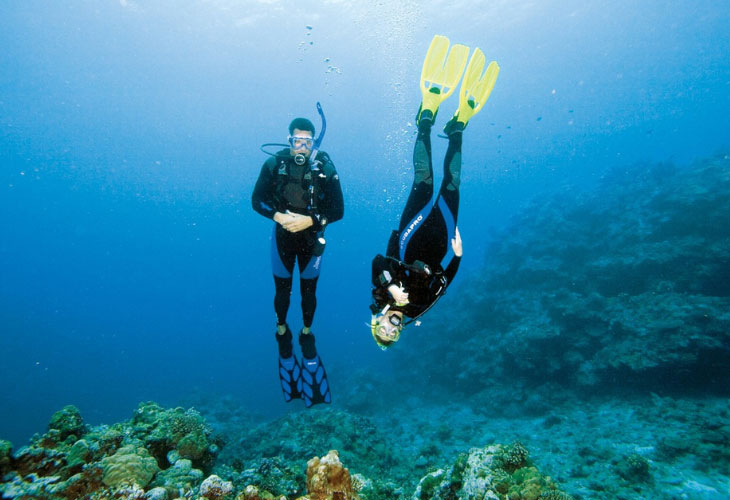
Improving your air consumption is one of the most valuable skills any diver can develop. Not only does it allow for longer bottom times, but it also increases your safety, reduces stress, and helps you become a more relaxed, efficient diver.

While some aspects of air consumption are influenced by physiology, much of it comes down to technique, awareness, and regular practice.

Let’s dive into practical ways you can stretch your tank and enjoy your underwater adventures more fully.

Improve-Air-Consumption

Master Your Buoyancy

Struggling to maintain buoyancy wastes both air and energy. If you are constantly inflating and deflating your BCD or finning to stay in position, you’re using more oxygen than necessary. Take time to perfect your neutral buoyancy. Practice hovering with slow, minimal movements. This skill reduces drag, conserves energy, and helps your breathing rate naturally slow down.

Consider taking the PADI Peak Performance Buoyancy Speciality for structured training and feedback.

Slow Down Your Movements

Calm, slow movements are the key to conserving air. Avoid rapid finning or sudden arm motions. Streamlined, deliberate movements reduce effort and help you remain calm—keeping your breathing slower and more controlled.

Think like a sea turtle: graceful, smooth, and relaxed.

Focus on Breathing Technique

Breathing efficiently underwater is very different from breathing on land. Use the following tips:
– Take deep, slow breaths from your diaphragm, not your chest. Pause briefly after inhaling and exhaling—this creates a natural rhythm.
– Avoid shallow or rapid breathing, which can increase carbon dioxide build-up and trigger anxiety. With time, this controlled breathing becomes second nature.

Focus-on-Breathing-Technique

Streamline Your Gear

Bulky or dangling equipment increases drag and resistance. This forces you to work harder and breathe more. Make sure hoses, slates, and accessories are clipped close to your body. The more streamlined your setup, the less effort you will need to move—translating into better air efficiency.

Stay Warm and Comfortable

Being cold underwater causes your body to burn more energy to maintain its core temperature, increasing your air consumption. Wear an appropriate exposure suit and keep your gear well-fitted. Even mild discomfort, like a leaky mask or too-tight straps, can cause unnecessary stress and lead to faster breathing.

Dive More

As with any skill, practice improves performance. The more you dive, the more your body adapts to the environment, and the better your air consumption will get. Regular diving builds muscle memory, breathing control, and confidence—all of which contribute to more efficient air use.

Master-Your-Buoyancy

Improving your air consumption is not about holding your breath or pushing limits—it’s about being calm, aware, and efficient in every moment of your dive. Small improvements add up over time, and with practice, you’ll find yourself staying down longer and enjoying every dive more fully. If you want to track your progress, log your SAC (Surface Air Consumption) rate after each dive and notice the improvements. And remember: the most important breath is the one you take slowly and mindfully.

PADI Peak Performance Buoyancy Specialty Course

Click below for more PADI Dive Courses Information:

By Hafid, AMD-B’s 2025 Divemaster Intern
Mining Waste Threat for Coral Reef

Mining Waste Threat for Coral Reef

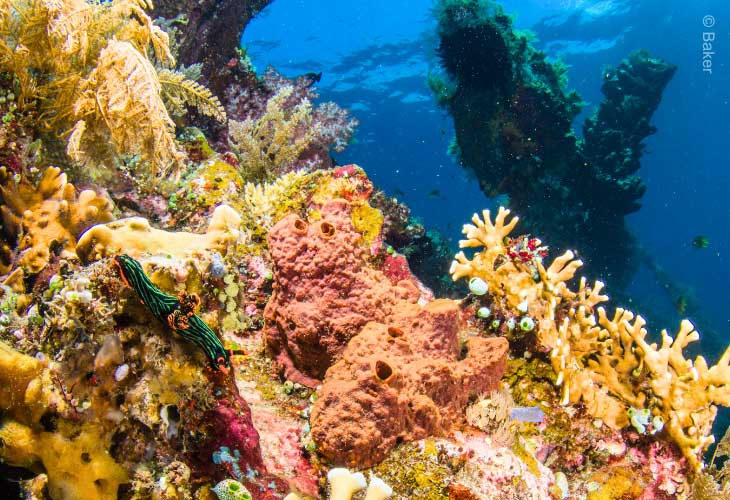
Coral reefs are among the most vital and diverse marine ecosystems on Earth, often referred to as the “rainforests of the sea.” They support over 25% of all marine species, provide food and income for millions of people, and serve as natural barriers that protect coastlines from erosion and storm surges. Despite their importance, coral reefs face a growing and often overlooked threat — pollution from mining waste.

Coral-Reefs-Rainforests-of-the-Sea

Sedimentation from Mining Operations

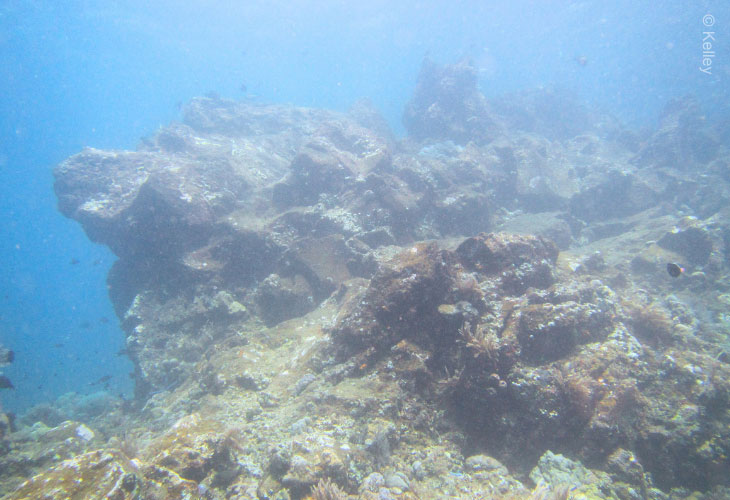
One of the most direct threats posed by mining is sedimentation. Land-based mining activities often release large amounts of fine particles into nearby rivers and coastal waters. These sediments increase water turbidity, blocking sunlight that corals need to survive. Without adequate light, the symbiotic algae (zooxanthellae) living inside coral tissues cannot photosynthesise, leading to coral stress, bleaching, and eventually death.

Deep Sea Tailings Disposal (DSTP)

Some mining companies use a method called Deep Sea Tailings Placement (DSTP), in which mine waste is dumped directly into the ocean. While this practice is intended to reduce land-based pollution, it introduces toxic materials into deep-sea environments. These pollutants can eventually resurface or migrate to shallower areas, causing widespread damage to coral reefs and other marine ecosystems.

Mining-Waste-Damage-Coral-Reefs

Toxic Heavy Metals

Mining waste frequently contains harmful heavy metals such as mercury, arsenic, lead, and cadmium. These substances can accumulate in coral tissues and other marine organisms, disrupting biological functions and poisoning the marine food web. In severe cases, entire reef ecosystems may become uninhabitable for fish and invertebrates.

Impact on Local Communities

The damage caused by mining waste extends beyond the marine environment. Coastal communities and fisherfolk often suffer from declining fish stocks, contaminated seafood, and reduced income from tourism. As coral reefs degrade, these areas also become more vulnerable to coastal storms due to the loss of natural wave barriers.

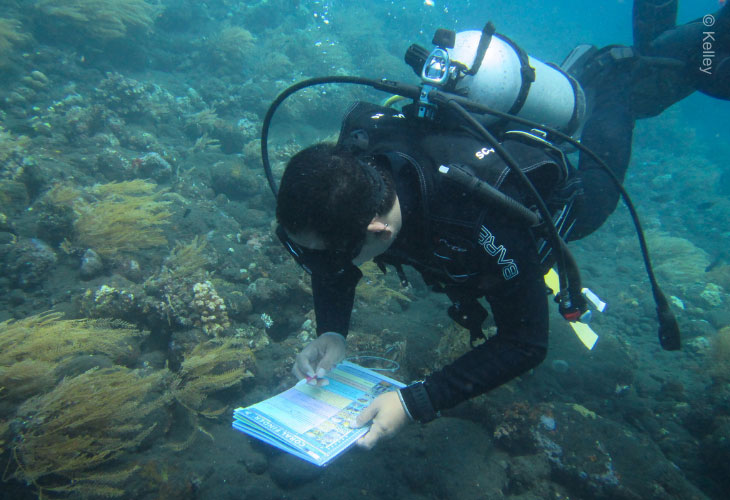
Protecting coral reefs from mining pollution requires urgent and coordinated action. Key measures include stricter regulation of mining operations, better waste management, continuous environmental monitoring, and the rehabilitation of damaged marine areas. Saving coral reefs is not only crucial for marine biodiversity — it is essential for the food security, livelihoods, and coastal protection of millions around the world.

Protect-Coral-Reefs

By Hafid, AMD-B’s 2025 Divemaster Intern