

PADI Women’s Dive Day 2025

Celebrating Women in Diving

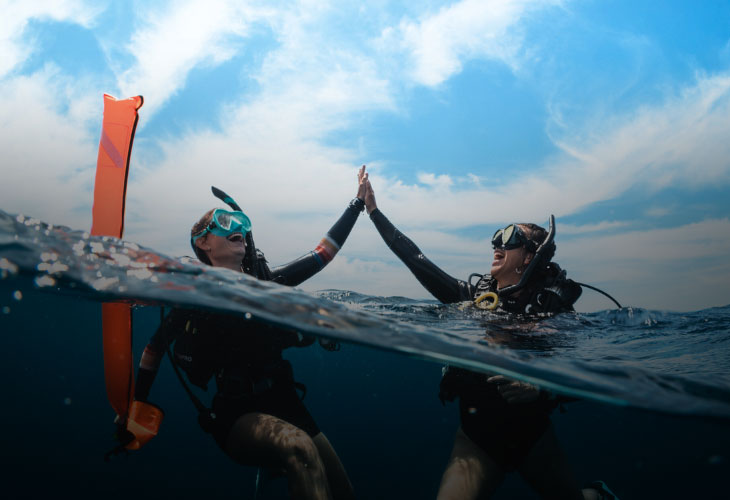
PADI Women’s Dive Day is not just a day—it is a global celebration of the ocean and the women who dive into it with passion, purpose, and perseverance. Held every July, this initiative unites thousands of divers around the world to celebrate diversity and create a more inclusive dive community.

PADI Women’s Dive Day has grown into one of the largest global days of diving. But more than that, it has become a platform for environmental action, connection, and empowerment.

Let’s explore why this day matters, and how you can be a part of it.

Dive with Purpose

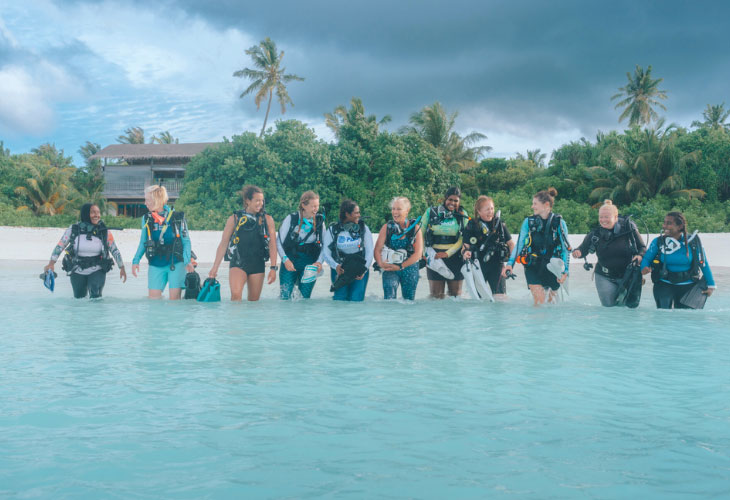
Women in diving are as diverse as the reefs we explore—spanning all ages, backgrounds, and experience levels. PADI Women’s Dive Day fosters a sense of belonging in a sport that historically had more male representation. Whether you are diving in Bali, Florida, or the Red Sea, this event is about making friends, sharing stories, and supporting each other underwater and on land.

It is also a space for mentorship. Seasoned divers can inspire beginners. Dive professionals can share their journeys. And together, we build a stronger, more supportive dive community.
PADI-Women-Dive-Day

Highlight Women’s Achievements

From underwater photographers to marine scientists, dive instructors to conservationists, women continue to play a powerful role in the dive industry. PADI Women’s Dive Day celebrates their achievements and raises awareness of the challenges women may still face in the diving world.

Many events include talks or exhibitions featuring female divers who are breaking boundaries and leading marine protection efforts.

How You Can Join

Anyone can take part in PADI Women’s Dive Day. You do not need to be a woman, or even a certified diver yet. All that’s required is a love for the ocean and a willingness to dive in—literally or figuratively.

Find an event near you through your local dive centre or the PADI website. Or, create your own celebration: gather your dive buddies, plan a dive, share your story online, or even just commit to taking care of your local coastline.
Women-in-Diving

Every Dive Counts

PADI Women’s Dive Day is more than a calendar date—it’s a movement. A movement to elevate voices, break barriers, and build a more inclusive underwater world. Whether you’re diving deep or just starting your journey, your presence matters.

Join the wave. Celebrate with us. And dive into a brighter, more connected future.

By Alfari, AMD-B’s 2025 Divemaster Intern
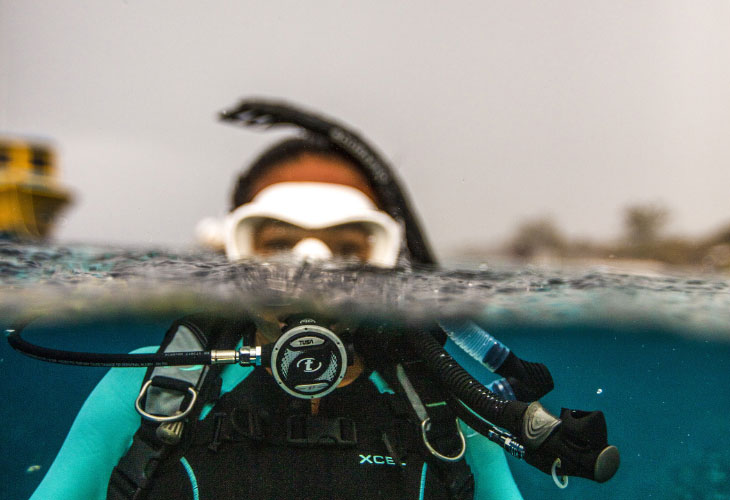
Scuba Skill: Neutral Buoyancy

Neutral Buoyancy

Neutral buoyancy is often considered the ‘holy grail’ of scuba diving skills. It is the ability to hover effortlessly in the water without sinking to the bottom or floating to the surface. Not only does mastering neutral buoyancy make your dives smoother and more enjoyable, but it also helps protect the underwater environment, conserve your energy, and improve your air consumption.

Let’s dive into what it takes to achieve this essential skill and how to fine-tune it underwater.

Check Weight Setup

Achieving neutral buoyancy starts before you even enter the water. Begin by checking your weight setup—wearing too much weight makes it harder to stay neutrally buoyant, while too little will keep you floating upward. Perform a buoyancy check at the surface: with an empty BCD and a normal breath, you should float at eye level.

Once underwater, use your lungs and breath control as your main adjustment tool. Small, slow breaths help you rise and fall gently. Use your BCD only for major adjustments during descent or ascent—not for constant tweaking.

Practice hovering in the water column with minimal movement. It takes time, but the more you practice, the more natural it becomes.

Neutral-Buoyancy

Streamline Your Gear

Loose or bulky equipment can throw off your balance and increase drag, making it harder to stay neutrally buoyant. Keep hoses tucked in, clip accessories close to your body, and avoid unnecessary gear that adds drag.

A streamlined setup not only helps with buoyancy but also reduces the chance of damaging coral or disturbing marine life when you pass by close structures like walls or wrecks.

Trimming

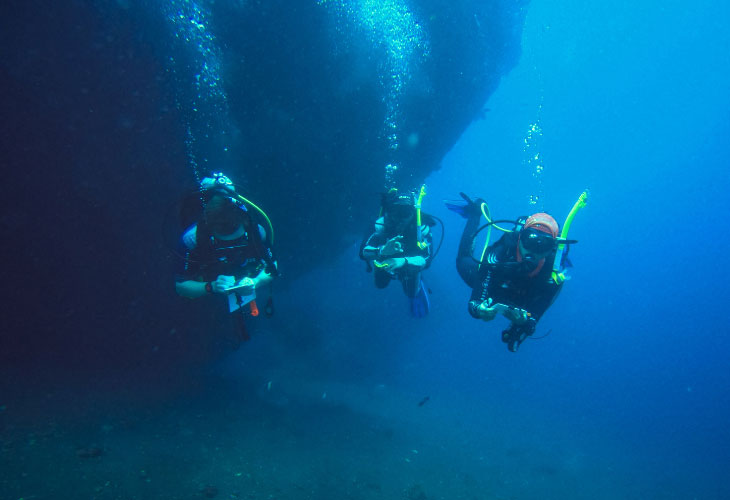
Trimming refers to how your body is positioned in the water. Ideally, you should be horizontal and flat, like you are lying on a table. This posture helps you move efficiently with less effort and gives you better control.

Uneven trim—like having your feet lower than your head—can cause you to struggle with staying level or result in upward/downward movement while finning. Adjust your weight distribution, tank position, or gear setup to find your ideal trim.

Practice Hovering

Find a calm spot on your dive and try hovering a few feet off the bottom without moving your fins or arms. Use breath control to stay in place. This drill builds confidence and control over your position in the water.

Try hovering in different positions: upright, horizontal, or even upside down to gain better awareness of your buoyancy and body position.

Practice-Hovering

Fine-Tune on Every Dive

Neutral buoyancy is not a one-time skill—it requires ongoing adjustment depending on your depth, exposure suit, tank weight, and dive conditions. You will need to re-tune throughout your dive, especially as your tank gets lighter and you become more positively buoyant.

Be mindful of small changes and keep practising. The more dives you do, the more your body will instinctively adjust to stay balanced.

PADI Peak Performance Buoyancy Specialty

Neutral buoyancy is what separates good divers from great ones. It takes patience, awareness, and regular practice—but the rewards are worth it. From effortless gliding through coral gardens to longer bottom times and better air use, mastering this skill opens up a whole new level of diving enjoyment.

If you want structured training, consider taking a Peak Performance Buoyancy speciality course. The course provide focused practice, professional guidance, and feedback to help you improve quickly and confidently.

AquaMarine Diving – Bali’s PADI Peak Performance Buoyancy Specialty (PPB) is the ideal course for divers wishing to perfect their skills in balance, movement and breathing underwater.

Buoyancy-Speciality-Course

PADI Peak Performance Buoyancy Specialty Course

Click below for more PADI Dive Courses Information:

By Hafid, AMD-B’s 2025 Divemaster Intern

10 Ways Divers Can Protect the Underwater Environment

10 Ways Divers Can Protect the Underwater Environment

The underwater world is a stunning and fragile ecosystem that needs our protection more than ever. As divers, we have a unique opportunity—and responsibility—to be stewards of the ocean. Here are ten practical ways divers can protect and preserve marine environments.

Be Ocean AWARE

Start by educating yourself. Being AWARE (Aquatic World Awareness, Responsibility, and Education) means understanding the challenges our oceans face, from coral bleaching to plastic pollution. By learning about these issues, you can make informed choices and become an advocate for change.

Take Action

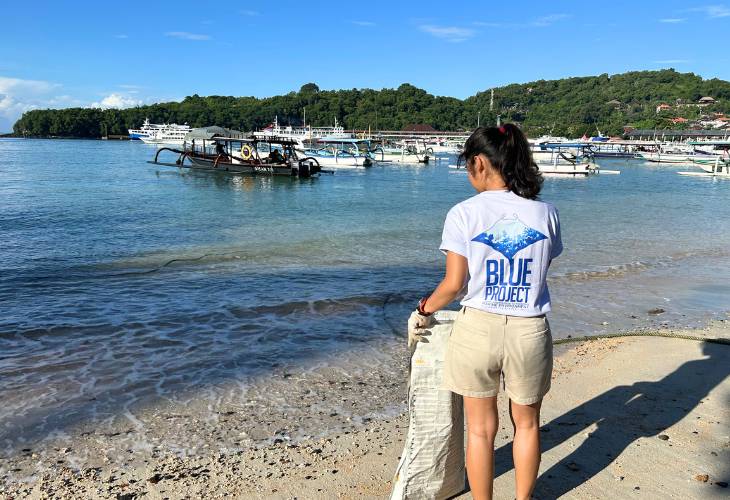
Knowledge alone isn’t enough—take action. Support conservation organizations, attend beach clean-ups, and raise awareness in your community. Small actions like reducing single-use plastics or encouraging sustainable seafood choices can have a big impact when adopted widely.

Blue-Project-by-AMDB-Activity

Respect Wildlife

Always observe marine life from a respectful distance. Never touch, chase, or feed animals, as this can stress them, alter natural behaviour, or even cause harm. Remember, we are guests in their home.

Be a Buoyancy Expert

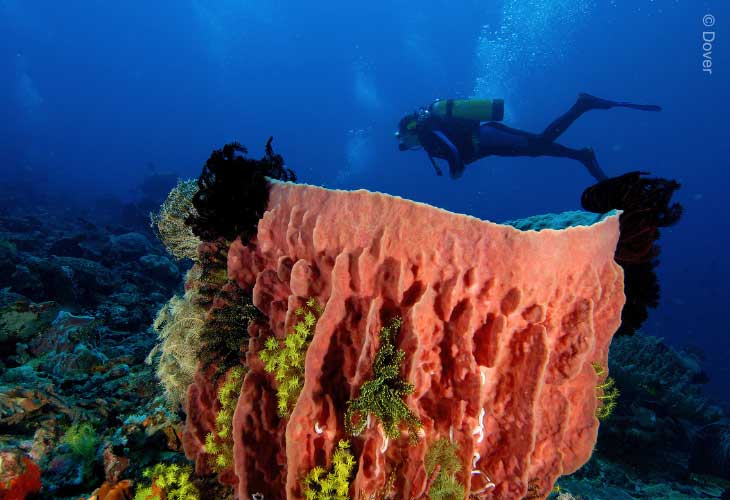
Poor buoyancy control is one of the main causes of reef damage. Mastering your buoyancy helps prevent accidental contact with fragile coral or stirring up sediment, which can smother marine life. Take a Peak Performance Buoyancy course if needed—it’s a game changer.

Practice Responsible Imaging

Underwater photography and videography are fantastic ways to share the beauty of the sea, but they must be done responsibly. Avoid touching or manipulating marine life for a better shot, and be mindful of your fins and gear to avoid damaging the environment.

Leave Only Bubbles, Take Only Trash

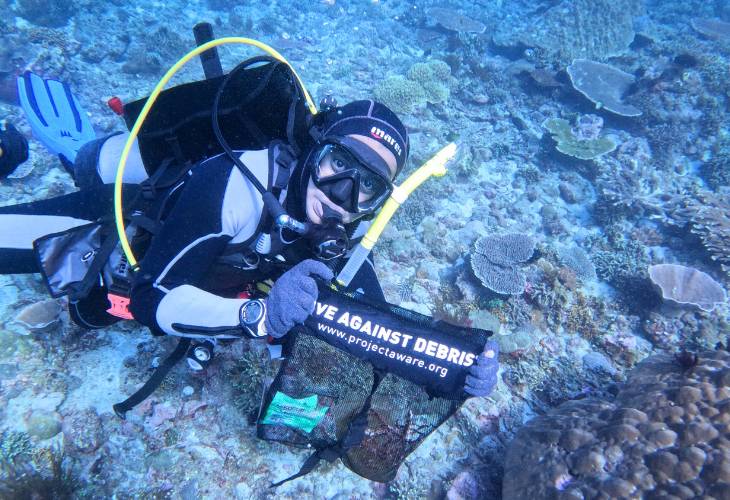
The classic diver’s motto still stands. Don’t take shells, coral, or other natural souvenirs from the ocean. Instead, take any trash you find back to the surface. Removing even one piece of marine debris can make a difference.

Become a Citizen Scientist

You can contribute to marine science by collecting valuable data on your dives. Join programs like REEF, CoralWatch, or Project AWARE’s Dive Against Debris to report sightings and conditions. Your observations help researchers monitor ocean health.

10-Ways-to-Protect-the-UW

Be an Ecotourist

Choose dive operators that prioritize sustainability. Look for eco-certifications, reef-safe practices, and guides who promote environmental awareness. Support local communities and businesses that are committed to ocean conservation.

Give Back

Donate your time, money, or skills to support marine conservation projects. Whether it’s through volunteer work, fundraising, or supporting NGOs, every bit counts. Giving back strengthens the diving community’s positive impact.

Join Us

Finally, become part of a global movement of divers who are committed to protecting the underwater world. Join conservation groups, participate in clean-ups, and share your passion with others. The more voices we have, the louder our message becomes.

Diving is a privilege—and with that privilege comes responsibility. By adopting these ten practices, divers can help safeguard marine ecosystems for generations to come. Every dive is a chance to make a difference. Protect what you love: dive with purpose.

By Hafid, AMD-B’s 2025 Divemaster Intern