


Drift Diving in Bali

Drift Diving in Bali

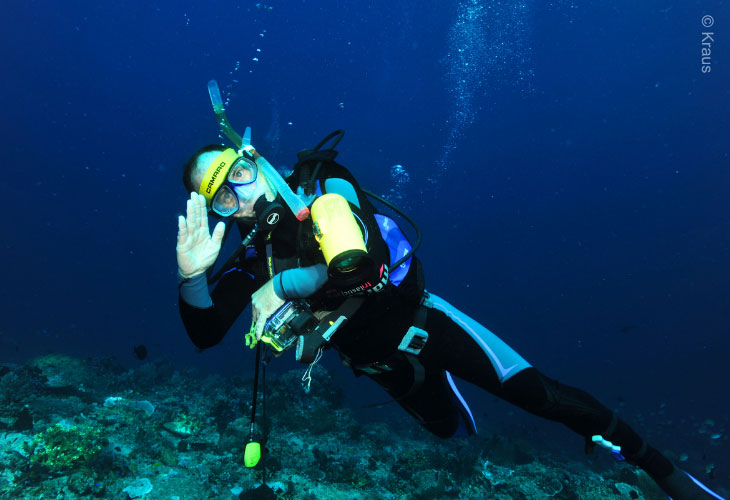
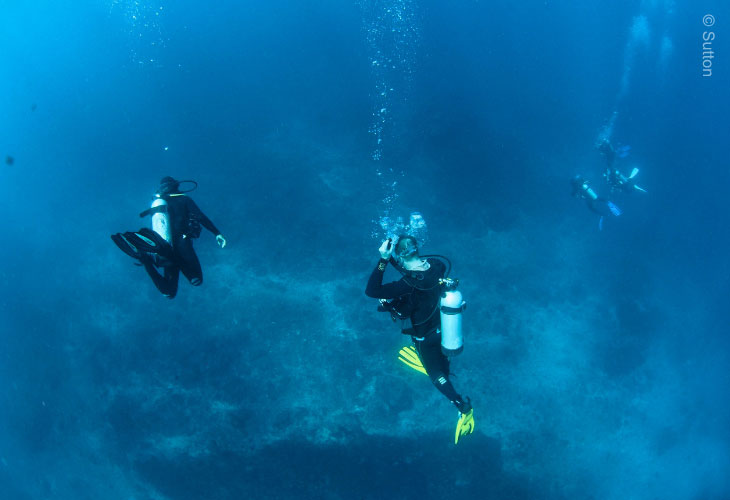
Drift diving is an exciting way to explore Bali’s underwater landscapes, letting you glide effortlessly with the currents while soaking up the vibrant marine life. This type of diving is popular at spots around Bali such as Nusa Penida and Nusa Lembongan, where strong currents create a thrilling experience.

One of the best things about drift diving is that it lets you cover more ground with less effort. The current does most of the work, so you can relax and enjoy the scenery. However, knowing some techniques and tips is important to ensure safety and make the most of your dive.
Drift-Diving-in-Bali

Drift Diving in Bali: Techniques and Tips

Get Proper Training: Before diving into drift diving, it is essential to have the right training and experience. An Advanced Open Water certification or a Drift Diving Speciality course is a smart choice, as they will teach you how to handle currents safely.

Plan the Dive: Always dive with a knowledgeable guide who knows the local currents and conditions. A thorough briefing should cover entry and exit points, expected current strength and direction, and any potential hazards.

Entry and Exit: You usually enter the water from a boat, so it is important to go in together as a group to avoid getting separated. Exiting can be tricky in strong currents, so be ready to signal for the boat and use surface marker buoys (SMBs) to let them know where you are.

Control Your Buoyancy: Good buoyancy control is crucial in drift diving. Stay streamlined and keep your movements smooth to enjoy the ride.

Stay Aware: Drift diving lets you cover more ground, but it also requires being alert. Keep an eye out for changes in the current, obstacles, and marine life, and be ready to adjust your position as needed.
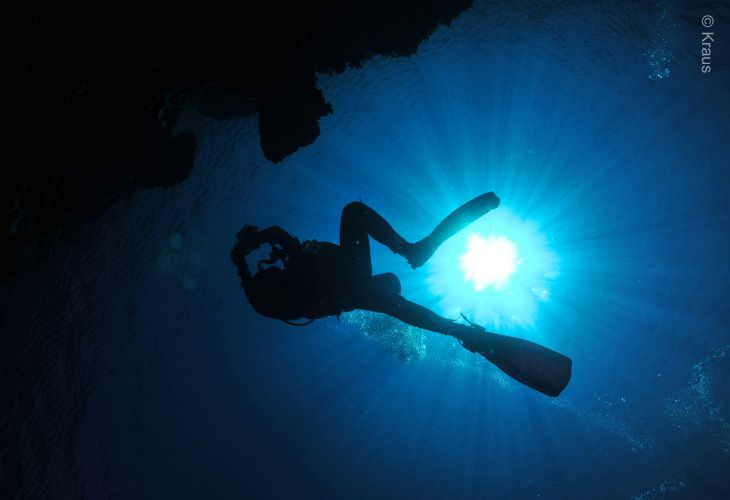
PADI-Drift-Diver-Speciality-Course

PADI Drift Diver Speciality Course

There is nothing quite like a fast drift dive to get your adrenalin going, but drift diving will become even more enjoyable with the greater knowledge gained through the PADI Drift Diver Speciality course. In the course you will learn about drift dive planning, organisation, diving techniques and potential hazards. You will also learn about buoyancy control in a current and special equipment such as delayed surface marker buoys.

The PADI Drift Diver Speciality also provides an overview of currents – causes and effects. Learn techniques for staying close to a buddy or together as a group as you float with the current.

PADI Drift Diver Speciality Course

Click below for more PADI Dive Courses Information:
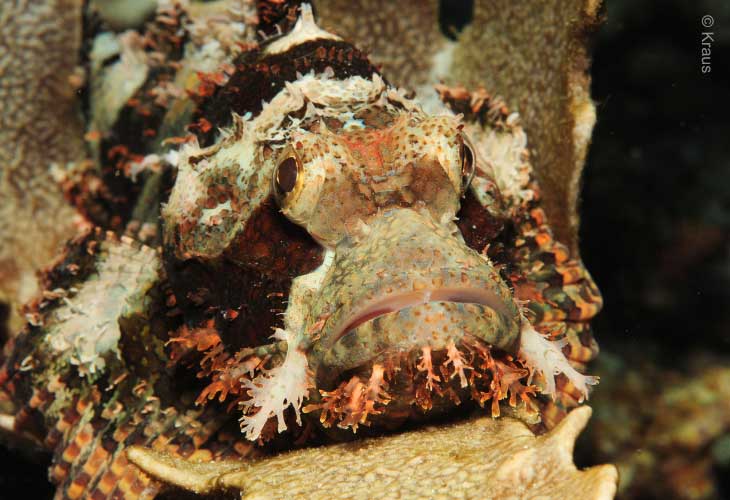
The Scorpionfish Family

Scorpionfishes

Scorpionfish are a fascinating group of venomous reef fish known for their incredible camouflage and potent defensive spines. Belonging to the family Scorpaenidae, they are ambush predators that rely on stealth, lying motionless on the seafloor until prey comes close. With textured bodies and mottled colours, they blend effortlessly into coral, rocks, or sand.

Papuan Scorpionfish (Scorpaenopsis papuensis)

This species is well-camouflaged with skin flaps and blotchy patterns, making it almost invisible on coral rubble. Found in shallow waters, it has a distinct large head and often displays reddish or brown tones. It’s common in Indonesian waters, including Bali.

Papuan-Scorpionfish

Papuan Scorpionfish (Scorpaenopsis papuensis)

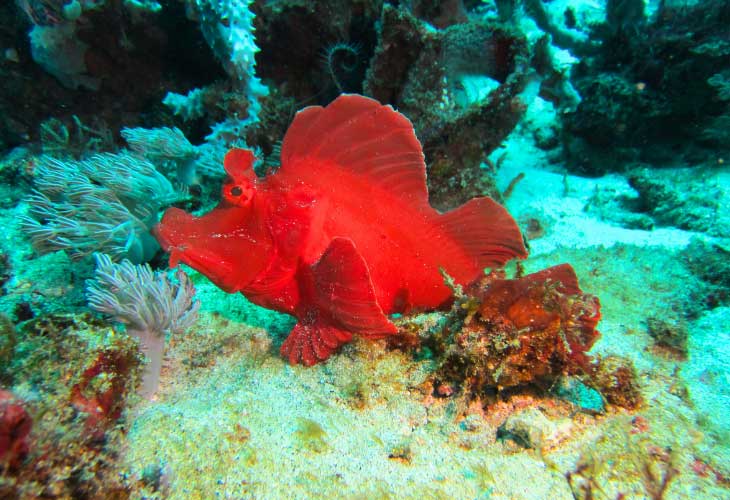
Paddle Flap Scorpionfish (Rhinopias eschmeyeri)

Rare and highly sought after by underwater photographers, this species has broad, paddle-shaped fins and soft, flowing skin appendages. Its bright red or pink colouration contrasts its reef habitat, yet its motionless behaviour helps it stay undetected.

Rhinopias-eschmeyeri

Paddle Flap Scorpionfish (Rhinopias eschmeyeri)

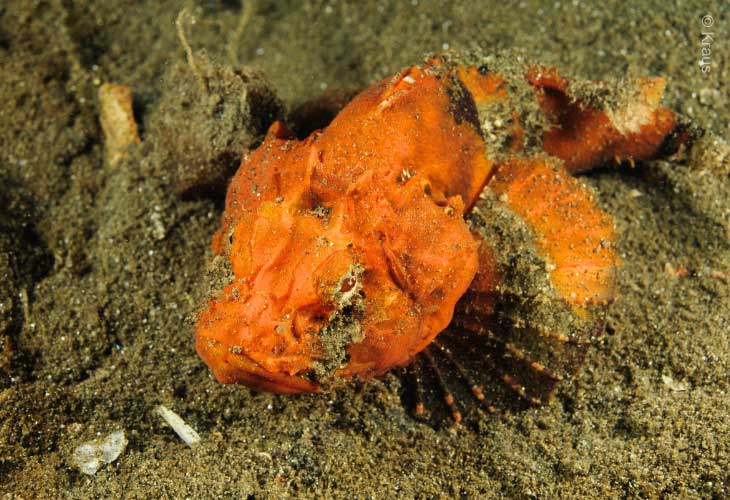
Devil Scorpionfish (Scorpaenopsis diabolus)

Named for its fearsome appearance, this scorpionfish has venomous spines and a stocky body. When threatened, it can expand its pectoral fins, revealing bold warning colors. Despite the name, it is non-aggressive unless provoked.

Scorpaenopsis-diabolus

Denise’s Pygmy Seahorse (Hippocampus denise)

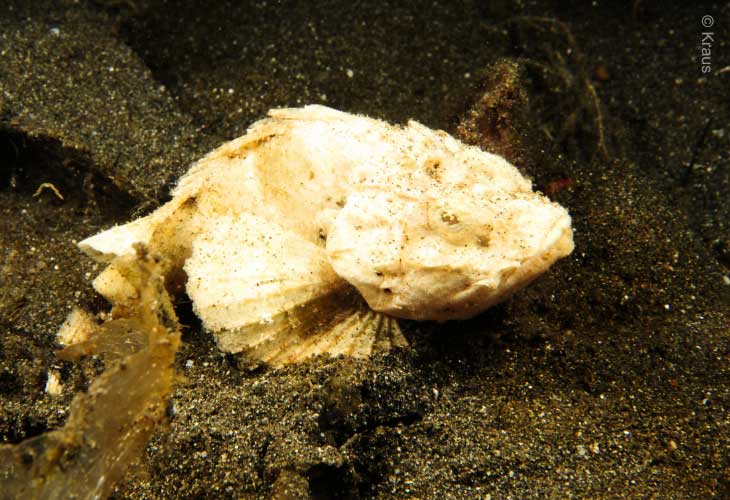
Flasher Scorpionfish (Scorpaenopsis macrochir)

This lesser-known species has extended pectoral fins used to startle predators. It is usually well-camouflaged, hiding among rocks and debris in sandy reef zones.

Scorpaenopsis-macrochir

Flasher Scorpionfish (Scorpaenopsis macrochir)

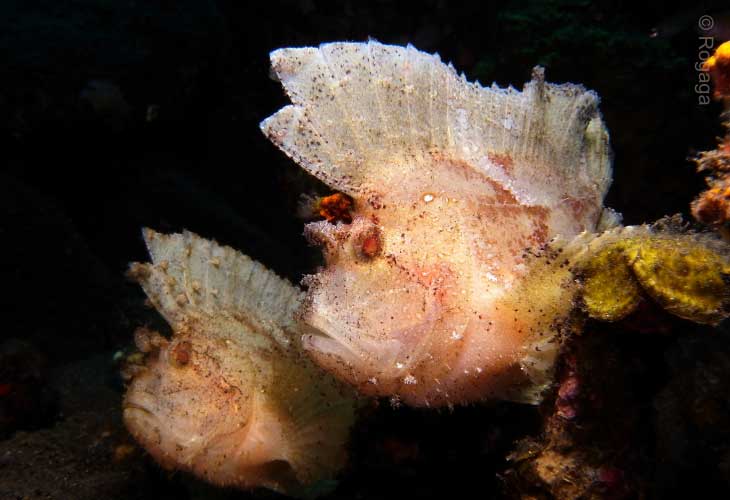
Leaf Scorpionfish (Taenianotus triacanthus)

Unlike others, this species is flat and leaf-like, often swaying with water currents to mimic debris. It comes in various colours and is commonly seen in Bali’s coral reefs.

Leaf-Scorpionfish

Leaf Scorpionfish (Taenianotus triacanthus)

By Hafid, AMD-B’s 2025 Divemaster Intern

Bali Underwater Photography

Bali Underwater Photography

Bali is located at the very heart of the world’s richest marine biogeographic zone: The Indo-Pacific. The island receives very plankton-rich waters and so contains a stunningly diverse underwater ecosystem. Bali’s diving is a delight for underwater photographers and videographers.

Bali is renowned not only for its variety of dive locations but also for the extra-ordinary density and diversity of marine life, with many sites for macro or wide-angle photography.

Bali-Underwater-Photography

Dive Sites for Underwater Photography

We are fortunate to have amazing muck-sites in Bali. Muck diving sites are shallow, muddy and bursting with critters. In particular, Secret Bay and Puri Jati are favourites for underwater photography – you can read more detailed descriptions on the Bali Muck Diving Sites page.

Other popular muck diving sites include:
Tulamben River Bed
Tulamben Tianyar
Seraya Slope
Amed Ghost Bay
Padangbai’s Jepun and Turtle Neck

AquaMarine also has quite a number of unpublicised muck sites which we would be happy to include in any Underwater Photography or Videography Dive Safari.

We have Safari Dive Packages designed specifically with photographers in mind. The packages are Macro Photographers’ Dream and Write Your Own Safari.

Dive-Sites-for-Underwater-Photography

Learn Underwater Photography in Bali

Are you just beginning to explore the world of underwater photography? Do you want to improve your skills?

You might decide to do the PADI Digital Underwater Photographer Speciality course. This underwater photography course can be done either as part of your Dive Safari or on a Day Dive Trip.

PADI Digital Underwater Photographer Speciality Course

Click below for more PADI Dive Courses Information: