


Coral Predators

Coral Predators

by Fahmi, AMD-B’s 2024 Divemaster Intern

Coral reefs are vibrant ecosystems, and like any environment, they have species that interact in different ways. Some creatures feed on corals as part of the natural balance of life on the reef. While it might seem concerning at first, this predation is usually just a part of maintaining a healthy ecosystem.
Coral-Predators-Crown-of-Thorns-Starfish

Key Coral Predators

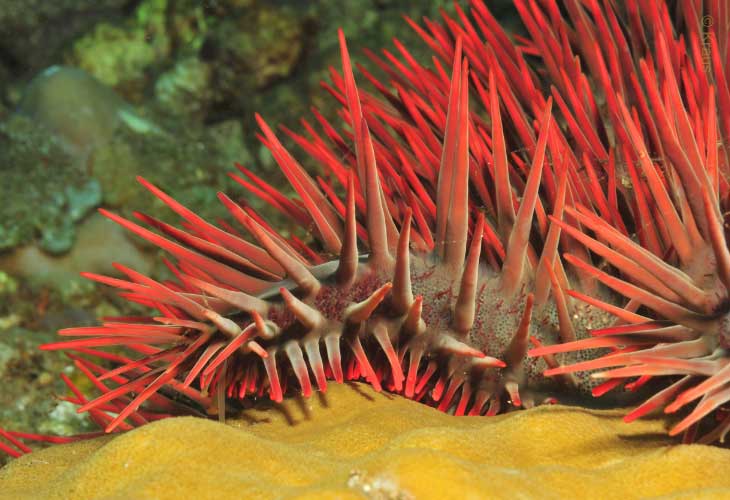
Crown-of-Thorns Starfish (COTS):
The Crown-of-Thorns Starfish is one of the most well-known coral predators. These spiny creatures feed on coral polyps, digesting the living tissue and leaving behind the skeleton. While they’re a natural part of the ecosystem, outbreaks can lead to significant damage to coral reefs.

Parrotfish:
Parrotfish are famous for grazing on coral. Their strong, beak-like teeth allow them to scrape away pieces of coral, which they digest and later excrete as sand. While this sounds harmful, they also help control algae, preventing it from overtaking the reef. In moderation, their coral consumption is part of the reef’s healthy balance.

Drupella Snails:
These small snails feed on coral polyps and can leave marks on the coral. They usually don’t cause widespread damage but can be a part of the natural predation cycle on reefs.

Butterflyfish:
These colorful fish feed on soft corals and polyps. Their impact is relatively minor, and they’re another example of how coral predation is part of the reef’s life cycle.
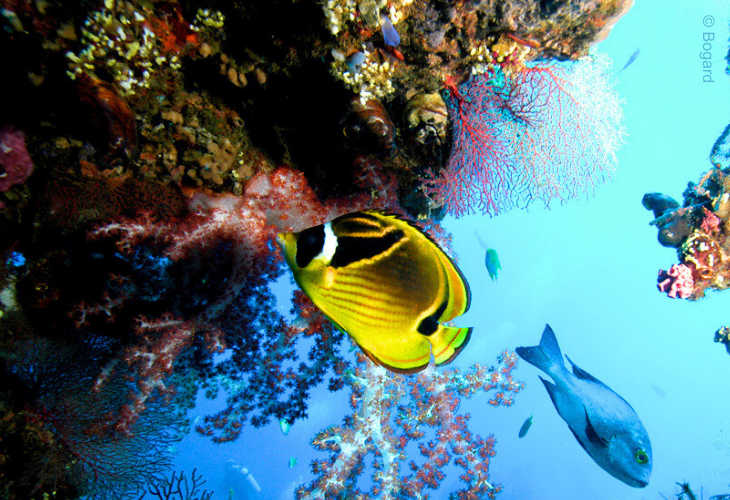
Coral-Predators-Butterflyfish-Racoon

When Populations Get Out of Control

In most cases, coral predators are just a part of reef life. However, when their populations grow too large, they can cause significant harm. One example is the Crown-of-Thorns Starfish outbreaks. These outbreaks occur when the starfish population spikes, often due to factors like pollution or overfishing of their natural predators. During an outbreak, the starfish can consume large areas of coral, leaving behind dead coral skeletons.

Such outbreaks can severely weaken coral reefs, making them more vulnerable to other threats like climate change, ocean acidification, and storms. When the balance shifts too far, the reef can struggle to recover.
2025 ‘Best of Bali’ Dive Safaris

2025 Best of Bali Dive Safaris

The 2025 Best of Bali (aka BoB) Dive Safaris Package comprise three itineraries of seven, eight, and 12 nights duration. AquaMarine created these Safaris exactly as we would wish them to be put together if we were divers visiting Bali. All of Bali’s best dive locations have been included in the safari. The itineraries include:
– shore- and boat-diving
– walls, muck, wrecks, reefs, drifts
– macro and wide-angle photography

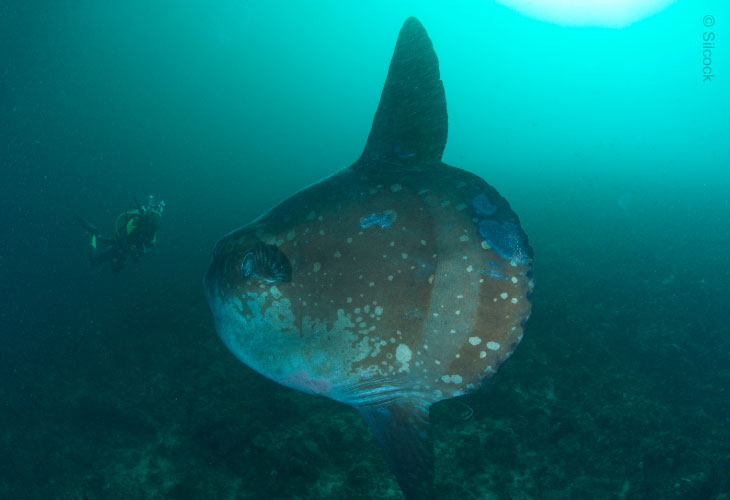
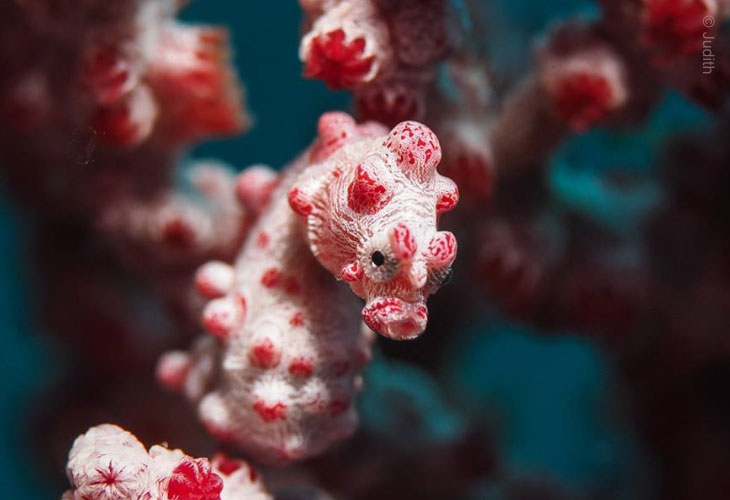
You’ll see fantastic hard and soft corals, great density and diversity of marinelife: from large pelagics such as Manta rays and Mola-Mola in season, to the tiniest juveniles and pygmy seahorses.

2025-Best-of-Bali-Dive-Safari-MolaMola

Best of Bali Dive Safaris Package Details

These Best of Bali Dive Safaris commence on fixed dates, with guaranteed departure based on a minimum of 2 divers.

The 13 Day Best of Bali “circles” the island allowing you to experience the widest variety of Bali dive sites. The 8 Day BoB focuses on the north west and north east coasts. The 7 Day Best of Bali itinerary offers diving on the north east and east coasts.

Nothing has been included ‘for the sake of it’.
– Fixed start dates (guaranteed with minimum two divers)
– Bali’s three best custom-built dive boats
– Minibuses customised for maximum space and leg room
– Maximum ratio of 1 PADI Divemaster (or above) for 4 divers
– Emphasis on safety and enjoyment.

Resorts were chosen for location, facilities and value for money.

2025-Best-of-Bali-Dive-Safari-PygmySeahorse

Pre-planned dive times ensure you’ll see the maximum possible with the best conditions – as far as we can predict conditions 🙂

For further details (and to enquire for customised Group Safaris), please e-mail Diving@AquaMarineDiving.com.

Manta Rays

Manta Rays: Their Life Cycle and Why They are Vulnerable

by Fahmi, AMD-B’s 2024 Divemaster Intern

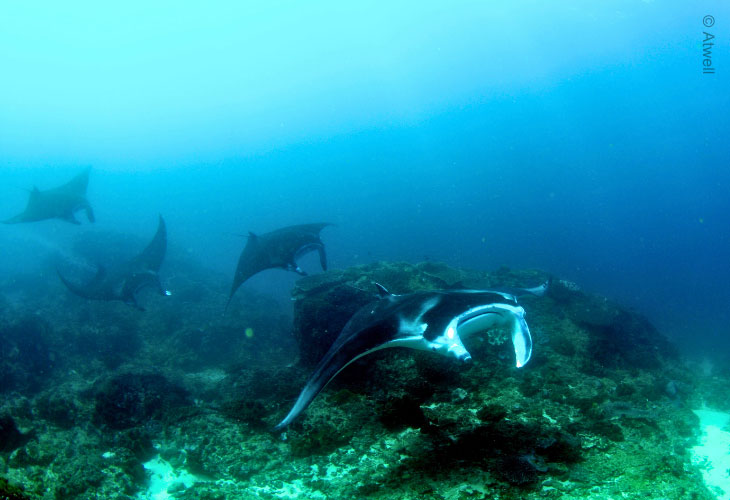
Manta rays have a unique but slow reproductive process. Female manta rays give birth to live pups after a pregnancy lasting about a year. What makes them vulnerable is that they typically produce only one pup at a time and may take two to five years before reproducing again. Once born, the pup is left to survive on its own and spends nearly a decade growing and maturing. This slow reproduction rate means manta populations struggle to recover when their numbers are reduced.

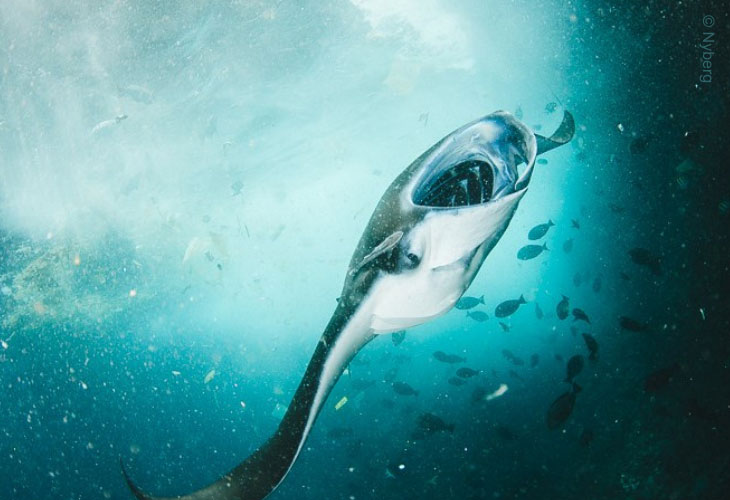
Manta rays are highly migratory creatures, travelling vast distances in search of food and suitable habitats. While this behaviour is essential for their survival, it increases their exposure to various threats. Overfishing, entanglement in fishing gear, and habitat destruction—such as the loss of coral reefs that serve as feeding or cleaning stations—pose significant risks. Climate change and pollution also impact the plankton populations that mantas depend on for food, making their survival even more challenging.

Manta-Rays-Life

Why Manta Rays Matter

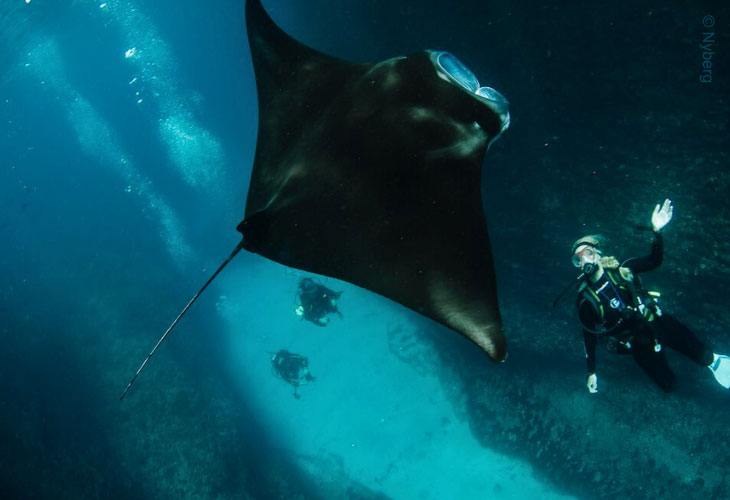
Although manta rays do not have a massive ecological role compared to species like sharks or corals, they contribute to marine tourism in a significant way. Destinations like Nusa Penida and Raja Ampat attract divers and snorkellers eager to witness these majestic animals. The revenue from manta ray tourism supports local economies and often funds conservation projects, creating a positive cycle of benefits for both humans and the environment.

Manta-Rays-Matter

The Importance of Protecting Manta Rays

Manta rays are not just symbols of marine biodiversity; they are also indicators of ocean health. Their vulnerability reminds us of the delicate balance in marine ecosystems. Protecting manta rays is not only about saving a species—it’s about safeguarding the health of our oceans, promoting sustainable tourism, and respecting the interconnectedness of life underwater.

Protecting-Manta-Rays