

Dive Site: 120m USAT Liberty Shipwreck

USAT Liberty Shipwreck: Possibly the World’s Easiest Wreck Dive

The Liberty was torpedoed by the Japanese off the coast of Lombok. Although attempts were made to tow the ship to north Bali, it was taking on too much water and therefore was semi-beached at Tulamben. During the last eruption of Mt Agung, Bali’s highest and most sacred mountain, the earth tremors roched the boat down the beach and into the sea.

The USAT Liberty Shipwreck lies a mere 30m offshore, and almost parallel to the beach, making it suitable for all levels of certification and experience. The shallowest part of the wreck where it touches the sand slope is at 5-10m while average depth along the middle is 16-20m. The lower edge of the wreck, the furthest down the slope, is 20-28m at high tide.

The wreck is pretty broken up, no penetration possible. But you can still see the guns, toilets, boilers, anchor chain, etc. A truly lovely dive site!
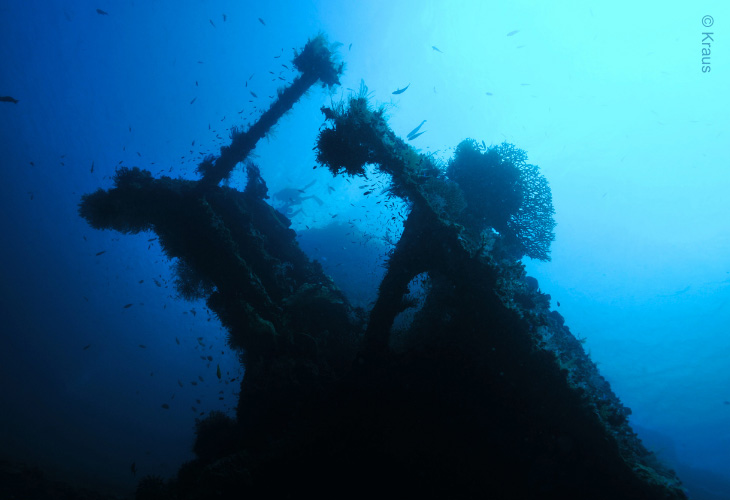
USAT-Liberty-Shipwreck

USAT Liberty Shipwreck for Underwater Photographers

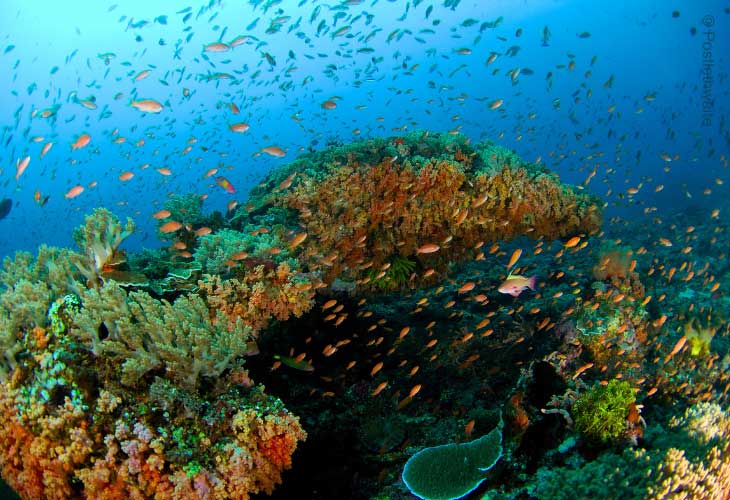
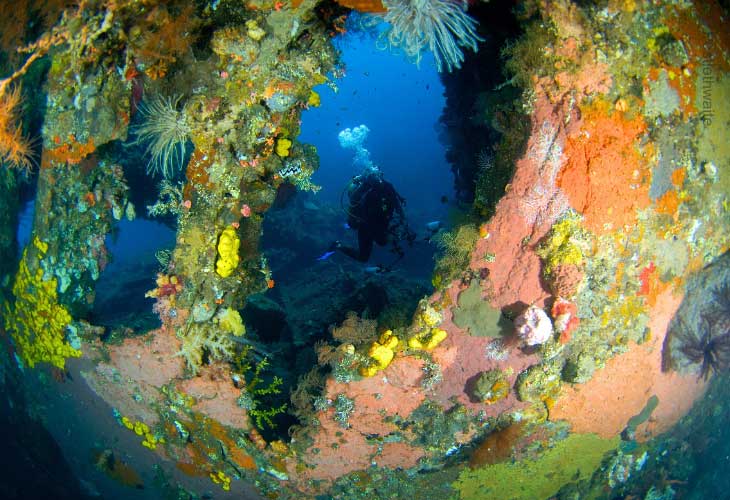
The USAT Liberty Shipwreck is very popular with underwater photographers/videographers as it is totally encrusted in anemones, gorgonian fans, hard and soft corals.

In addition the black sand provides an excellent colour contrast for the incredible variety of marine life, which includes a school of 100s of Big-eyed trevallys (length 30cm/12in) and over 400 other species of fish.

Diving on, in and around the Liberty Shipwreck, you are quite likely to see a high percentage of the marine life shown in any Indo-Pacific Reef Guide book. That is what keeps divers coming back time and time again.

Each area of the Liberty Shipwreck offers something different to see!
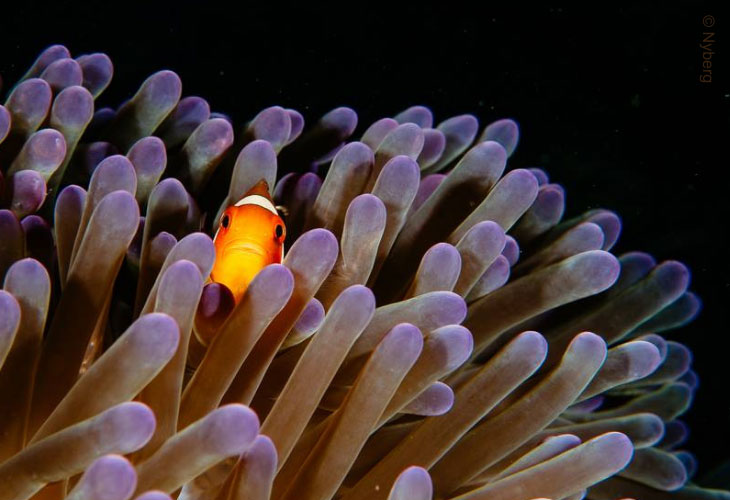
USAT-Liberty-with-Anemones

Night and Early Morning Wreck Dives

Night diving on the Wreck is always great but particularly so during the full moon. You may see Spanish dancers and the school of huge Bumphead parrotfish in their sleeping cocoons. Also Flashlight fish, Bobtail squid, even phosphorescence, and the basket stars! – where else in the world could you make such an easy and varied Night Dive?

If you dive early enough, 06-07:00, you may see the school of Bumphead parrotfish heading out for breakfast. This is also the most likely time of day to see Mola-Mola, Manta rays, turtles and any Whalesharks passing through. In our opinion, it’s the best time of day to dive the wreck.
USAT-Liberty-Wreck-Dives

Why You Shouldn’t Feed Wild Fish?

6 Reasons Why You Shouldn’t Feed Wild Fish

by Fahmi, AMD-B’s 2024 Divemaster Intern

Feeding wild fish might seem like a harmless activity, but it can have some unintended consequences for the fish and their surroundings. Whether it’s tossing bread into the water or offering food while snorkelling, feeding wild fish can change their natural behaviours, affect the environment, and impact the balance of the ecosystem. Here’s why it’s best to let wild fish find their own food.

6-Reasons-Not-to-Feed-Wild-Fish

Disrupting Natural Diets

Wild fish are adapted to eat what’s naturally available in their environment. When we introduce foods like bread or snacks, it can disrupt their diet and lead to nutritional issues. For example, bread doesn’t provide the nutrients fish need and can cause digestive problems. Over time, fish that are regularly fed by humans might start relying on these easy food sources, rather than finding their natural prey.

Spreading Disease

Feeding fish can also increase the spread of disease. When fish gather in one spot to eat, they’re more likely to come into contact with each other, which can lead to the spread of diseases and parasites. The food we provide might also introduce bacteria into the water, potentially affecting other marine life.

Disrupting Ecosystem Balance

Marine ecosystems rely on a balance between different species. Feeding wild fish can disrupt this balance. When fish populations grow because of feeding, it can lead to overgrazing of certain plants or a decrease in their natural prey. This imbalance can have effects that ripple through the ecosystem, affecting other species as well.

Impact-on-Coral-Reefs

Changes in Behaviour

Fish that become accustomed to being fed by humans may start approaching people more often, expecting food. This change in behaviour can be problematic in some situations, especially if it affects the natural behaviour of the fish or leads to them becoming more dependent on human interaction.

Impact on Coral Reefs

Feeding wild fish in coral reef areas can be particularly harmful. Many reef fish help maintain the health of coral reefs by eating algae and keeping the ecosystem in balance. When these fish are fed by humans, their natural behaviour changes, which can lead to algae overgrowth that harms coral.

Legal and Environmental Considerations

In many places, feeding wild fish is restricted or not allowed due to the potential impact on the environment. Marine protected areas and conservation zones often have rules against feeding wildlife to help maintain the natural balance of the ecosystem. Respecting these rules supports the efforts of those working to protect these areas.

Dive Course: Open Water Diver

Open Water Diver Course

Open Water Diver Course is a great way to attain the first required certification to dive internationally.

Through the PADI Open Water Diver Course, you’ll learn the fundamentals of scuba diving, including dive theory, equipment and techniques, over the course of 2 or 3 days. The certification is recognised worldwide and is earned by completing:
– Five Knowledge Development (theory) sessions – these can be done online.
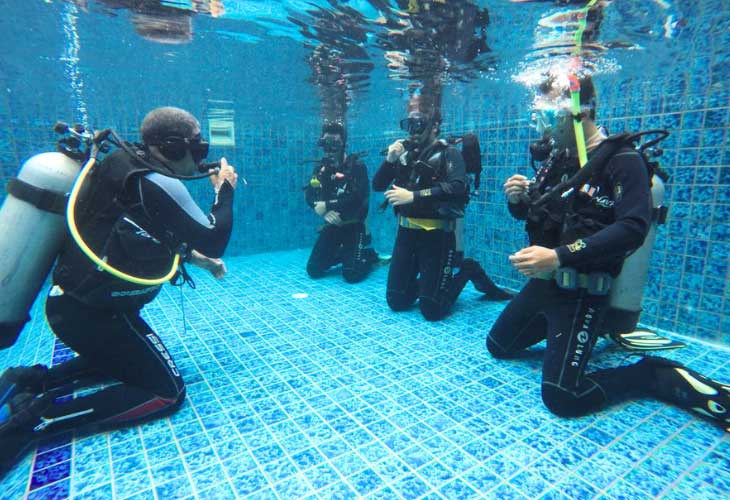
– Five Confined Water (pool) sessions to practise scuba skills, learn to breathe underwater and familiarise yourself with your scuba gear.

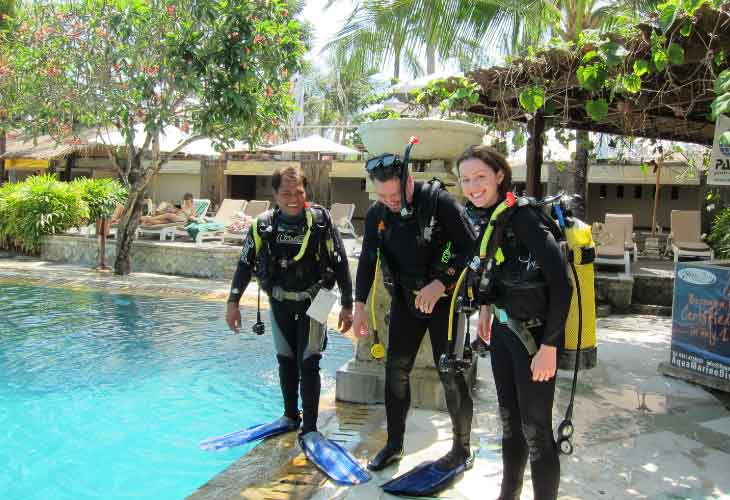
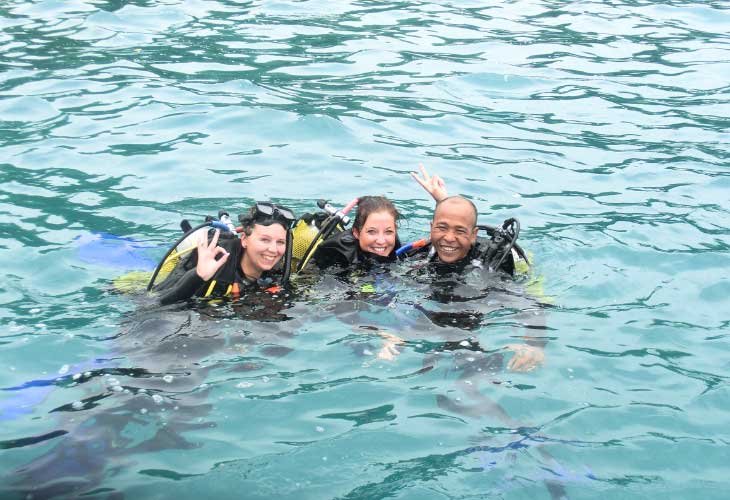
Then it’s time for your four Open Water (sea) dives on Bali’s beautiful east and north east coast reefs (including the famous 120m USAT Liberty Shipwreck in Tulamben Bay!).

The Theory

With PADI eLearning, you can complete the dive theory wherever and whenever you want, while going at your own pace. You’ll then be fully-prepared when you meet your AquaMarine PADI instructor and can start diving straight away. Alternatively you can buy an Open Water manual from your local dive shop or we’ll deliver one to you when you arrive in Bali. Complete the theory by the pool, on the beach, or in the shade of a convenient palm or mango tree!

Open-Water-Diver-Pool-Sessions

Your Open Water Dives

AquaMarine recommends doing your Open Water dives in Tulamben Bay (we believe this is where you’ll really fall in love with diving) to experience shore diving. And in Blue Lagoon just outside Padangbai on Bali’s east coast for boat diving, rather than at the inferior reefs, with more difficult conditions, in the south of Bali.

Because the course is performance-based, you get as much time as you need to practise your new skills prior to certification. You can choose our 2 or 3 day OWDC schedule. Above all, AquaMarine’s instructors will ensure that not only is your course low-stress and safe, but you will have great fun, too.

Open-Water-Diver

The PADI Open Water Diver Course (and PADI Junior Open Water Diver Course) is your ticket to dive anywhere at any time. Once you discover how easy and fun scuba diving is, you’ll want to share it with friends and family. Bring them along to try the PADI Discover Scuba Diving, or the PADI Open Water Diver Courses.