Save! Join a Scheduled Trip or Course; check our “Specials” for limited time offers; subscribe to eNews for discounts, freebies, bonus offers in Bali and Beyond.
Organize diving in Bali and throughout Indonesia for your dive club or group of friends. Our dedicated team of specialists work with travel agencies around the world.
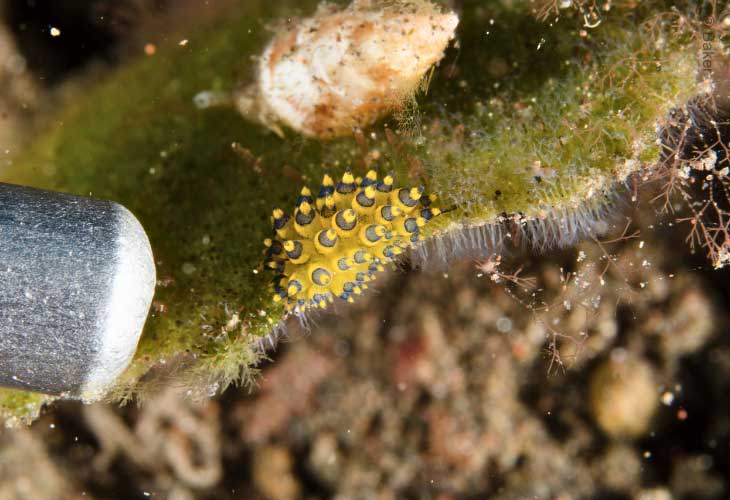
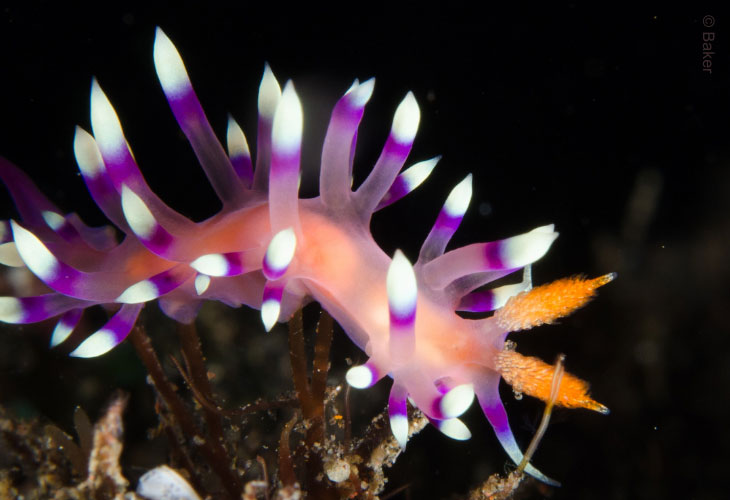
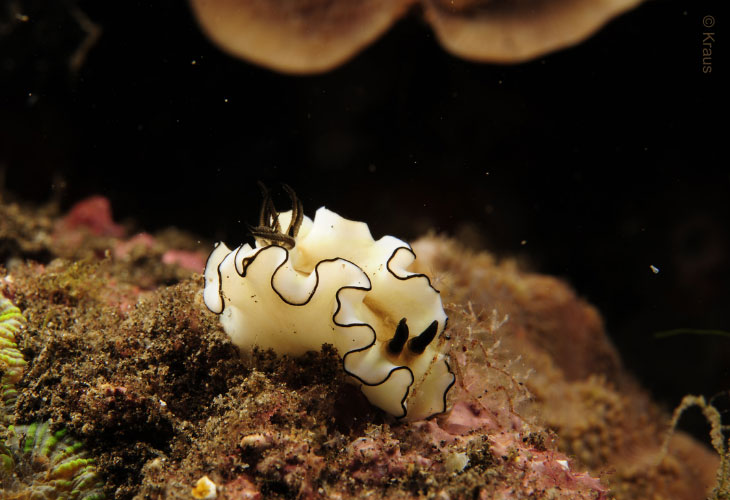
There are over 3,000 species of sea slugs and nudibranchs worldwide, with new species being identified all the time. The Indo-Pacific region, including Bali, is one of the richest areas in the world for nudibranch diversity. Researchers have found nearly 2,000 species in this region alone, with hotspots like Raja Ampat, Bunaken, and Tulamben recognized for their variety of sea slugs.
AquaMarine Diving – Bali (AMD-B) is offering the PADI Sea Slugs & Nudi Awareness Specialty, where you will learn general knowledge about sea slugs and nudibranchs and their fascinating traits.
What You Will Learn
In this course, you will enhance your general knowledge of sea slugs and nudibranchs while learning about their morphology, physiology, reproductive habits, and lifecycle. You will also explore their key features, habitats, diets, and the important role they play in the aquatic ecosystem. With some nudibranch populations declining due to environmental pressures, this course emphasizes the need for conservation efforts to protect these colourful creatures.
Our instructors are skilled at helping you identify the different species found in Bali’s waters, making sure that you can recognize both common and rare nudibranchs.
Practice What You Learn
You can make the decision to only learn the theory or if you would like to have a first hand experience to observe these fascinating creatures in their natural habitat, and we will take you to Tulamben Bay, home to the 120m USAT Liberty Shipwreck applying everything you’ve learned.
Exclusively available at AquaMarine Diving – Bali (because we wrote it!), the PADI Indonesia Sea Slugs and Nudibranchs Awareness Distinctive Specialty will answer all those wiggly-niggly questions you have 🙂
Nyepi Segara, also known as Silent Sea Day, is a traditional ritual in Nusa Penida, Nusa Lembongan, and Nusa Ceningan, Bali, Indonesia. This unique ritual pays homage to Dewa Baruna, the ruler of the sea and one of the manifestations of the Balinese Hindu almighty god, Ida Sang Hyang Widhi Wasa (a.k.a Acintya), God of gods. This ritual aims to promote the conservation of the sea and maintain the balance of the ecosystem and marine biodiversity. With the meaning of silence and stillness, Nyepi Segara is a significant event that shows the importance of preserving the environment and respecting local wisdom and traditions.
One of the primary purposes of Nyepi Segara is to allow the sea to rest from all human activities for an entire day. All sea activities, including transportation, fishing, and all tourism-related activities such as scuba diving, freediving, snorkelling, walking on the beach and swimming are halted on the islands. This temporary pause in human interference enables the sea’s ecosystem to rejuvenate and maintain its natural balance.
Honoring the Silent Sea Day in Nusa Penida, Lembongan, and Ceningan
The implementation of Nyepi Segara involves the active participation of the local community and the government. This practice starts at 6:00 a.m. and lasts for 24 hours; the government and tourism stakeholders work together to ensure that tourists comply with the appeal to refrain from using the sea for any activities during this time. Meanwhile, the people of Nusa Penida, Lembongan, and Ceningan engage in collective activities related to religious rituals to pay their respect to Dewa Baruna and express gratitude for the blessings provided by the sea.
Nyepi Segara, the Silent Sea Day, is a highly significant and cherished ritual deeply rooted in the culture of Nusa Penida, Nusa Lembongan, and Nusa Ceningan, Bali. This unique and sacred tradition holds immense value. It is a powerful symbol of their deep connection to the marine environment and their relentless efforts to maintain the delicate balance of marine biodiversity. Nyepi Segara serves as a gentle yet impactful reminder for all of us to be more conscious and mindful of our actions toward the environment. It reminds us to appreciate and cherish the abundance provided by the sea, which sustains the lives and livelihoods of the local community, and the incredible beauty and diversity of the marine ecosystem.
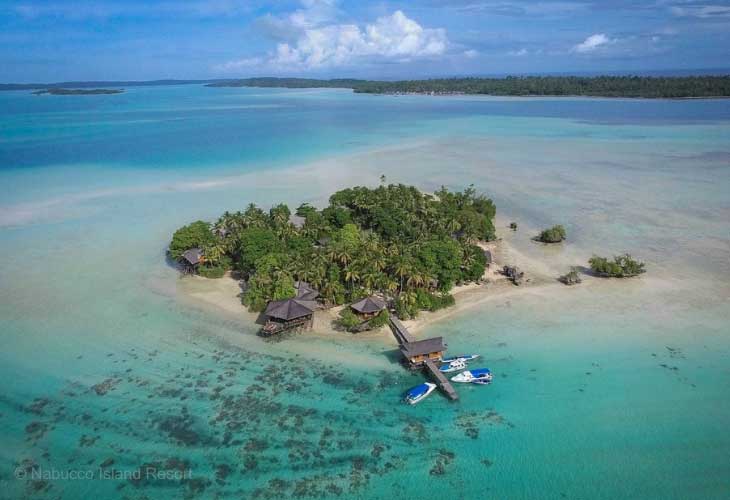
Located in the Derawan Archipelago which lies off the coast of East Kalimantan, the Indonesian part of the island of Borneo, this large, upside-down U-shaped island partially encircles a massive lagoon at one end and is fringed with sheer rocky walls and coral reefs at the other.
Maratua covers 384sq kms of sandy white beaches and mangroves, and 3,735sq kms of territorial waters which scientists believe contain the third highest level of marine biodiversity in the world (after Raja Ampat and the Solomon Islands).
Diving in Maratua Island
“Vertical walls, pristine corals, strong currents and lots of big fish” summarise the diving in Maratua. It’s also been called “The Turtle Capital of Indonesia”. Visibility of 40-60m is common due to being almost 70kms from the mainland.
There are 20+ dive locations around Maratua. One stand-out dive is the incoming-to-slack high tide drift through the channel (entrance is 27m) into Maratua’s lagoon. These strong currents attract large pelagics including Eagle, Devil and Giant stingrays, Whalesharks, and many kinds of sharks including Grey and White-tip reef, Leopard, Hammerheads, and Threshers.
Around the island, you are guaranteed to see pristine corals in the shallows as well as impressive drop-offs.
Maratua Diving Season
Maratua’s diving is good year-round with the best months being July to October (the dry season), however higher numbers of Manta rays are seen October to June.
How to reach Maratua Island
Fly to Balikpapan from Jakarta and Manado international airports, and Surabaya and Makassar domestic airports, then take an onward flight to Berau or Tarakan. – Our resort partners will arrange transfers from Berau airport. – Liveaboards generally use Tarakan airport for embarkation and disembarkation.
For more info on Maratua resorts, liveaboard routes/schedules that include Maratua island, and to start your planning, please make sure your AMD-B Travel Consultant is aware of your needs. As always, they will be more than happy to offer recommendations and make arrangements to suit your preferences. Contact us on Tours@AquaMarineDiving.com today!