


Nyepi Segara

Nyepi Segara: The Silent Sea Day

by Mardia, AMD-B’s 2023 Divemaster Internship

Nyepi Segara, also known as Silent Sea Day, is a traditional ritual in Nusa Penida, Nusa Lembongan, and Nusa Ceningan, Bali, Indonesia. This unique ritual pays homage to Dewa Baruna, the ruler of the sea and one of the manifestations of the Balinese Hindu almighty god, Ida Sang Hyang Widhi Wasa (a.k.a Acintya), God of gods. This ritual aims to promote the conservation of the sea and maintain the balance of the ecosystem and marine biodiversity. With the meaning of silence and stillness, Nyepi Segara is a significant event that shows the importance of preserving the environment and respecting local wisdom and traditions.

One of the primary purposes of Nyepi Segara is to allow the sea to rest from all human activities for an entire day. All sea activities, including transportation, fishing, and all tourism-related activities such as scuba diving, freediving, snorkelling, walking on the beach and swimming are halted on the islands. This temporary pause in human interference enables the sea’s ecosystem to rejuvenate and maintain its natural balance.
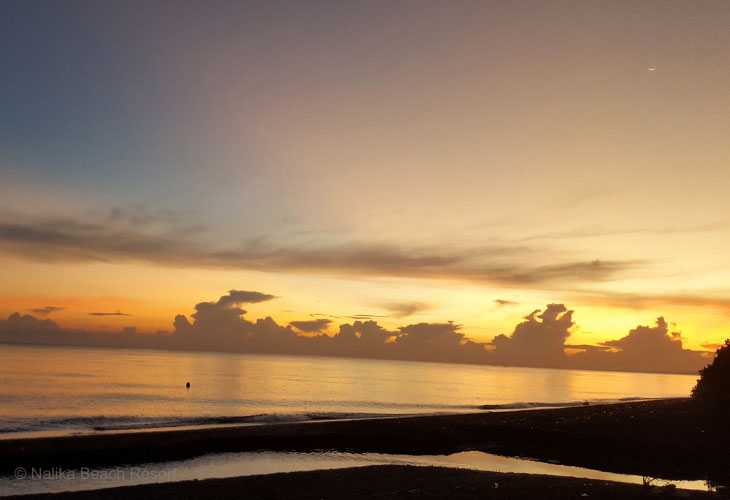
The-Silent-Sea-Day

Honoring the Silent Sea Day in Nusa Penida, Lembongan, and Ceningan

The implementation of Nyepi Segara involves the active participation of the local community and the government. This practice starts at 6:00 a.m. and lasts for 24 hours; the government and tourism stakeholders work together to ensure that tourists comply with the appeal to refrain from using the sea for any activities during this time. Meanwhile, the people of Nusa Penida, Lembongan, and Ceningan engage in collective activities related to religious rituals to pay their respect to Dewa Baruna and express gratitude for the blessings provided by the sea.

Nyepi Segara, the Silent Sea Day, is a highly significant and cherished ritual deeply rooted in the culture of Nusa Penida, Nusa Lembongan, and Nusa Ceningan, Bali. This unique and sacred tradition holds immense value. It is a powerful symbol of their deep connection to the marine environment and their relentless efforts to maintain the delicate balance of marine biodiversity. Nyepi Segara serves as a gentle yet impactful reminder for all of us to be more conscious and mindful of our actions toward the environment. It reminds us to appreciate and cherish the abundance provided by the sea, which sustains the lives and livelihoods of the local community, and the incredible beauty and diversity of the marine ecosystem.
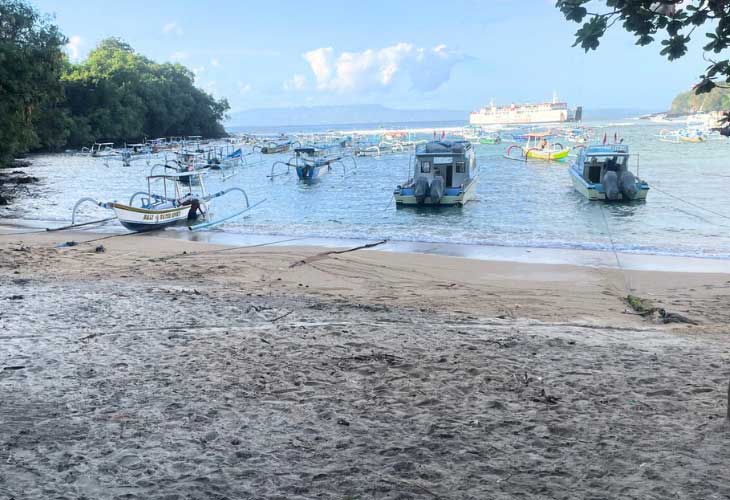
Nyepi-Segara-Bali

Why You Should Learn To Scuba Dive?

Learn To Scuba Dive

by Fahmi, AMD-B’s 2024 Divemaster Internship

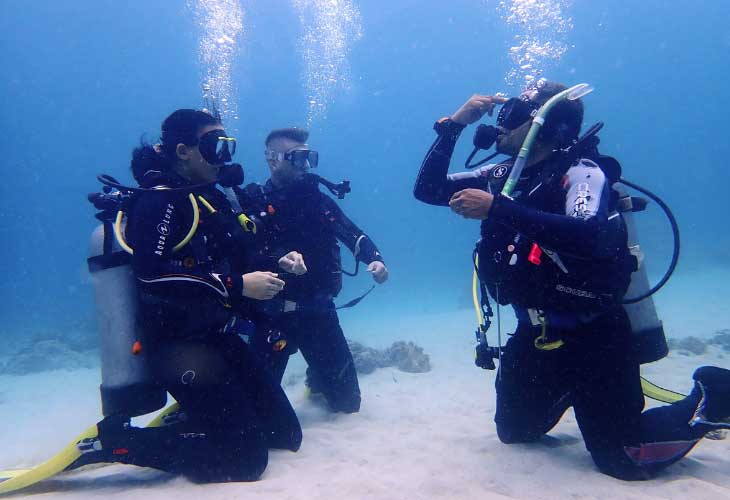
Scuba diving is an exciting and unique activity that lets you explore the underwater world. Whether you’re interested in marinelife, underwater landscapes, or simply enjoying a new hobby. Learning to scuba dive offers many benefits. Here are six reasons why you should learn to scuba dive:

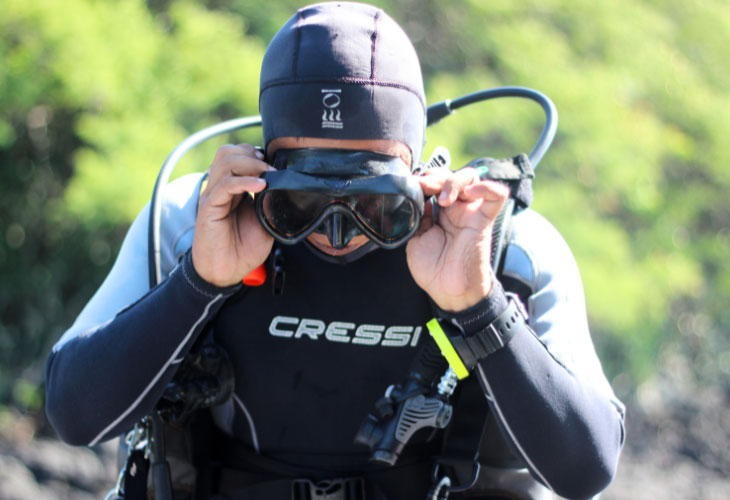
Learn-To-Scuba-Dive-with-AquaMarine-Diving-Bali

Discovering a New World

Learning to scuba dive opens up a whole new world beneath the waves. The ocean is full of amazing creatures, colorful coral reefs, and fascinating shipwrecks. By diving, you get the chance to see these wonders up close and experience the beauty and diversity of marinelife. This underwater adventure is something you can’t find anywhere else.

Health and Fitness Benefits

Scuba diving is also great for your health. It’s a full-body workout that strengthens your muscles, improves your flexibility, and boosts your cardiovascular health. The breathing techniques used in diving can help improve your lung capacity and overall respiratory health. Plus, being underwater can have a calming effect, reducing stress and promoting mental well-being.

Building Confidence and Skills

Learning to scuba dive helps build confidence and develop new skills. You’ll learn how to handle dive equipment, navigate underwater, and communicate with dive buddies. These skills can translate into better problem-solving abilities and increased confidence in other areas of your life. Overcoming challenges underwater can make you feel more capable and self-assured.

Discover-Scuba-Diving

Environmental Awareness

Scuba diving can also make you more aware of environmental issues. Seeing the effects of pollution and climate change on marine ecosystems firsthand can inspire you to take action to protect the ocean. Many divers become passionate advocates for marine conservation and participate in activities like underwater clean-ups and conservation projects.

Social Connections

Scuba diving is a social activity that allows you to meet people from all over the world. Joining a dive club or participating in dive trips can help you make new friends and share amazing experiences. The diving community is welcoming and supportive, offering opportunities to connect with like-minded individuals who share your passion for the underwater world.

Travel Opportunities

Scuba diving can take you to some of the most beautiful and exotic places on Earth, and Bali is no exception. From the crystal-clear waters of Nusa Penida to the vibrant reefs of Amed, Bali offers incredible dive sites that provide unforgettable experiences. Traveling to these dive spots allows you to explore new cultures and environments while enjoying the thrill of diving.

Dive Sites: Nusa Penida & Lembongan

Nusa Penida & Lembongan Dive Sites

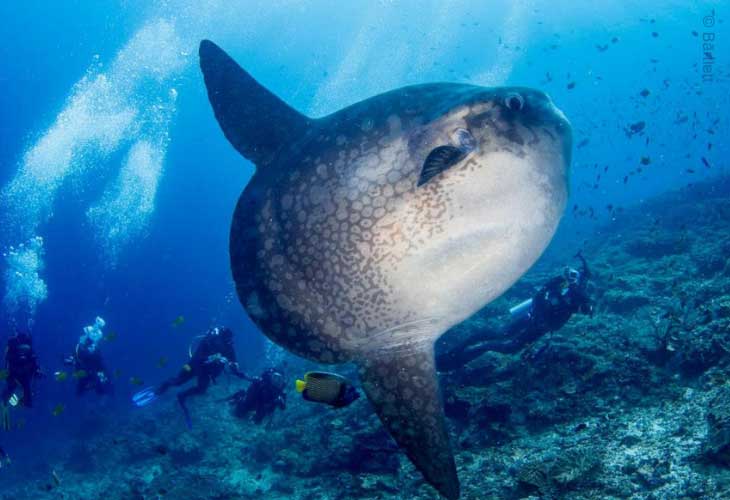
Nusa Penida and Nusa Lembongan offer drift-diving in mild to strong currents. The water can be chilly but is often startlingly clear, with gorgeous corals, prolific fish, turtles, sharks and, from July to mid-November, Mola-Mola (Ocean sunfish).

Note: AquaMarine’s 2024 Mola-Mola Special Offer is available to book 🙂

Nusa-Penida-&-Lembongan-Manta

The three main north coast sites SD, Ped and Sental have many soft corals and fish such as sweetlips, lionfish, moray eels, scorpionfish and reef sharks, in addition to turtles, nudibranchs and crabs.

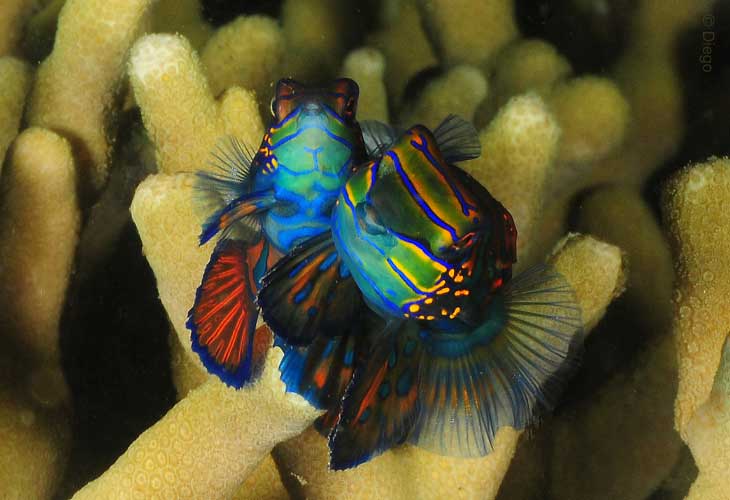
Toyapakeh, Nusa Penida’s most popular dive site, has good visibility with rich, impressive coral formations and big bommies. The profusion of colourful soft corals provides hiding places for many kinds of marinelife including Ribbon eels, Banded sea snakes, turtles and nudibranchs. Late afternoon you may be lucky enough to see Mandarinfish.

Gamat Bay, although a small area, with its soft corals, Gorgonian seafans and hard corals (including table corals), is full of reef fish and some quite rare commensals and nudibranchs. On the outside slope are big bommies, overhangs and small caves, that provide resting places for larger fish. Gamat Bay is also known as a cleaning station for Mola-Mola in season.

Malibu Point on south east Penida lies on a very steep slope, with table corals and big bommies. Marinelife here includes rays, big trevallys and huge schools of Rainbow runners. This is Penida’s best location to see a variety of sharks.

Nusa-Penida-&-Lembongan-Mandarinfish

Manta and Mola-Mola Diving

Crystal Bay is best known for sightings of Mola-Mola (see sidebar) in the July to mid-November season when water temperatures can drop dramatically! While the bay itself is beautiful, with good numbers and variety of fish as well as gorgeous corals, it also has a Bat Cave: enter from underwater, surface inside the cave (which is open to the sky) and watch the bats overhead. On the deep wall after the Bat Cave we often see Eagle rays and (if you are lucky) the Bali Wobbegong shark – yes really, it’s endemic to Bali.

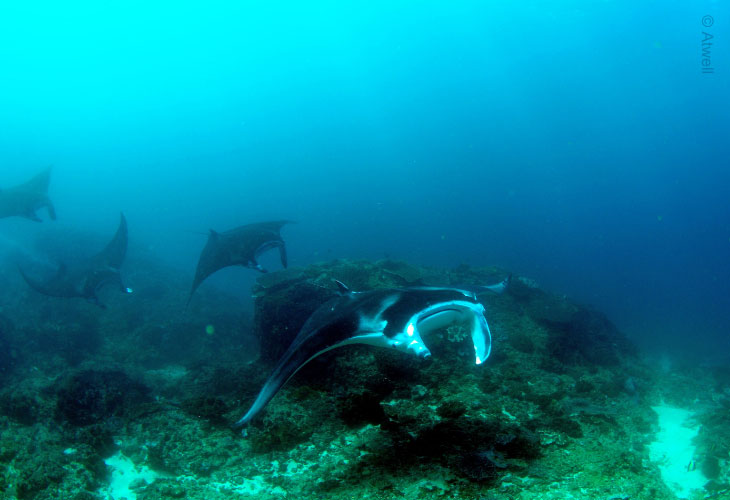
South west Penida has two Manta Points, both of which have dramatic limestone cliffs descending straight into the ocean. Manta Point I, the further site, has slightly larger Mantas (2-4m width), but can be surgy and is not always reachable due to waves. Neither site has currents, and at both sites the Mantas are seen at 5-10m depth. Mola-Molas, Bamboo and Nurse sharks, tunas, Tiger mackerels and smaller rays may also be seen.

Batu Abah on the far side of Penida is known for Mantas and Mola-Mola.
Note: Despite the distance, all three of AquaMarine’s boats can reach Batu Abah in a reasonable time.

Lembongan’s Blue Corner, although deep, is a very popular drift dive, the highlight being a wall that is usually full of fish, sharks, big Napoleon wrasse, sometimes Eagle rays and Mola-Mola. This site is for more experienced divers.

Nusa-Penida-&-Lembongan-Mola-Mola