

Bali’s Muck and Macro Dive Site

Muck and Macro Dive Site

North west Bali

Secret Bay/Gilimanuk
This was Bali’s first and so best-known muck location. 2km wide, 3-12m deep; the only bay off the narrow Bali Strait (where currents can reach 7 knots), it acts as a large catch-tank for many larval and juvenile fish, and rare marine species. The water is cold; the fish fat and healthy! Unusual nudibranchs, Banggai cardinalfish, gobies, Ambon scorpionfish, filefish, puffers, dragonets, pipefish, juvenile Batavia batfish, Mimic octopus, Hippocampus kuda and many other organisms. Elsewhere juveniles hide to avoid predators, but here there are very few large fish, so juveniles have no need to hide. The bottom is fine sand with patches of algae and seagrass, some branches, coconuts (housing for octopodes!), cans, etc. Night-diving yields Bobbit worms, cephalopods, crustaceans, and frequent surprises!

Bayu’s Place
Visibility varies (can be as low as 10m), and the water is warm. Much of the area is rubble and coral, with white sand, although there are some pinnacles. It is usually very easy to see Mandarinfish, along with Pyjama cardinalfish, ghostpipefish, batfish, Demonstinger, many kinds of gobies (inc Signal goby), nudis, Pygmy seahorses, Blue-ring octopus, and many species of shrimp (inc Whip coral shrimp).

Pemuteran Biorock
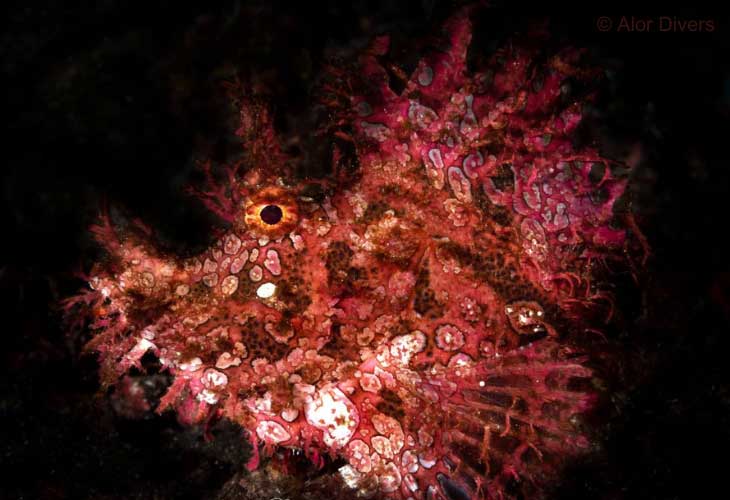
This site lies right off the beach and is made from individually-shaped metal structures through which low level electricity is run to increase the speed of coral growth. The artificial reefs sit on white sand and provide homes for Signal gobies, eels, small rays, lionfish, frogfish and scorpionfish including Leaf scorpionfish and (occasional) Pegasus seamoths and Finger dragonets. Interesting night diving.
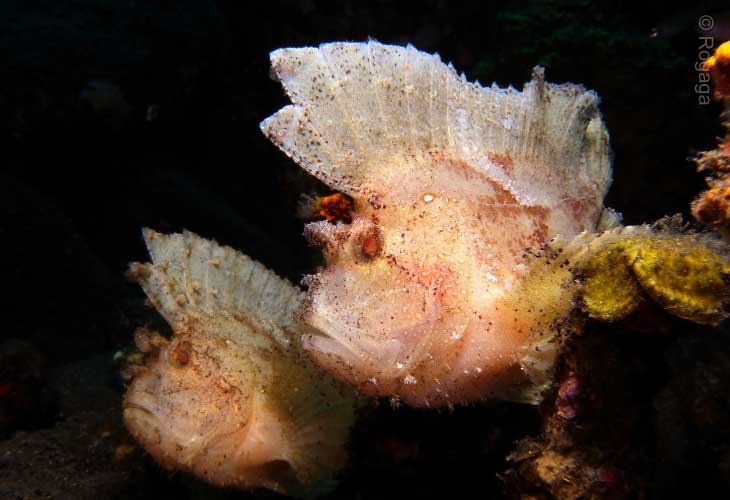
Muck-and-Macro-Scorpionfish-Leaf

North Bali

The Puri Jati area
Bali’s current hotspot for muck-diving, PJ itself is a wide, gentle, brown sand slope with patchy seagrass, seapens and 20cm tufts of lavender soft coral. Vis is 5-25m, and the water warm. Frequent sightings of Common and Mimic octopus, pairs of Ambon scorpionfish, Flying gurnards, Emperor shrimp, Blue-ringed octopus, frogfishes, unusual Mantis shrimps, Fingered dragonets, wide variety of ghostpipefish, seahorses, seamoths, Demon stingers, Cockatoo flounders, Veiled melibe nudibranchs, juvenile batfish and lionfish, crustaceans, cephalopods and sand dwellers, soft coral cowries, various large shells, pelagic tunicates, the list goes on!

Nearby Kalang Anyar is a gentle, dark sand slope with a variety of seapens and seagrasses. Sightings include Painted frogfish, Mimic octopus and other sought#after cephalopods, Pegasus seamoths, eels. There are noticeable differences in some of the species, quite often the nudis here are totally different from those seen on the same day at PJ.
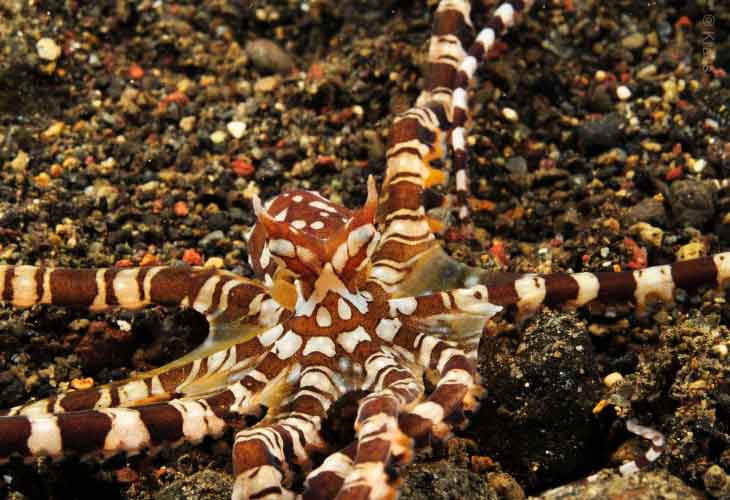
Muck-and-Macro-Octopus-Wonderpus

North east Bali

Tianyar
Located a little north of Tulamben Bay; the undulating black sand topography changes due to the currents and waves that can affect the site. The marinelife can be very interesting: Ghostpipefish, seahorses, Mimic octopus and Wonderpus, eels, frogfish, gobies and many nudis.

Tulamben River Bed
Depending on the season, sightings here may include Ornate and Robust ghostpipefish, Harlequin and Skeleton shrimp (both also found in the Coral Garden), nudis, juvenile frogfish, lionfish, Mimic octopus, Halimeda ghostpipefish, and a multitude of other tiny critters.

Seraya Slope
About 5 minutes south of Tulamben Bay, this black sand slope offers Rhinopias, Harlequin / Coleman / Tiger shrimps, many nudibranchs, Yellow#spotted frogfish, Boxer crabs (although very difficult to find them out in the open with the goatfish around!), ghostpipefish, stonefish, anglerfish, seahorses, and a school of barracudas.

Amed Ghost Bay
The artificial reef and sand slopes can yield Ambon scorpionfish, Ornate and Robust ghostpipefish, Mimic octopus, Wonderpus, frogfish, stonefish – we’re never quite sure what we’ll find here!
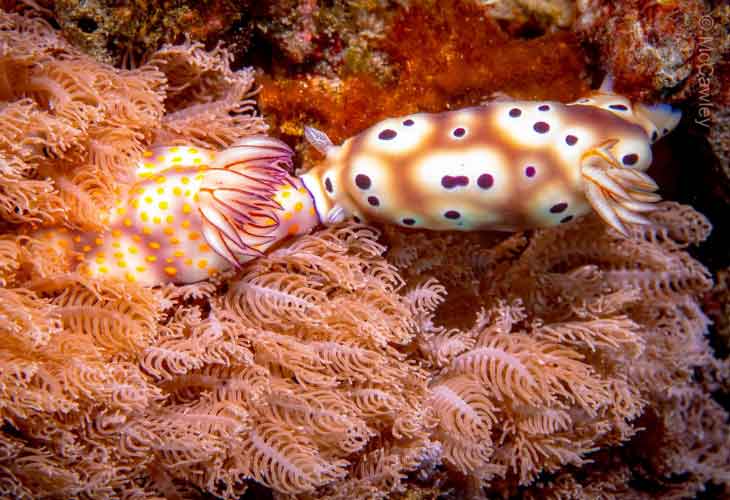
Muck-and-Macro-Nudibranch-Leopard-Chromodoris

East Bali

Jepun
An extension of Blue Lagoon, Jepun yields Leaf scorpionfish, Solar-powered nudibranchs, many varieties of ghostpipefish and frogfish, Pegasus seamoth, Flamboyant cuttlefish, Rhinopias (eschmeyeri and frondosa), shrimps, crabs, Thorny seahorse, shrimpfish and Cockatoo waspfish.
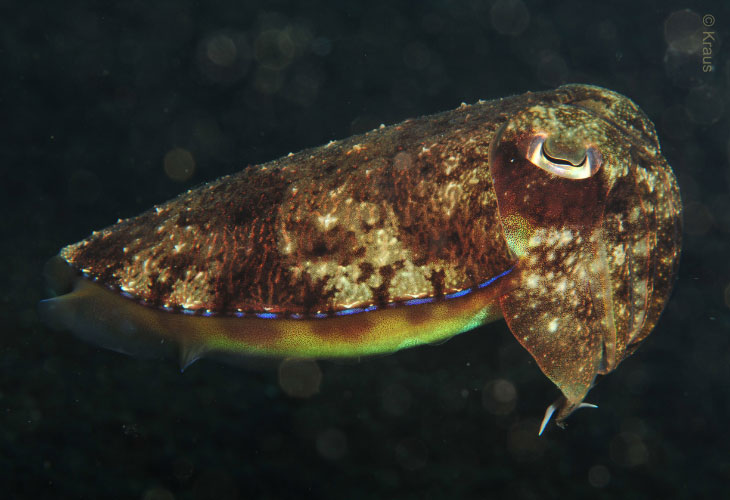
Muck-and-Macro-Cuttlefish-Broadclub

Alor

The Alor Archipelago

The Alor Archipelago is located to the east of Flores and north of Timor-Leste in the Lesser Sunda Islands. The archipelago holds a wide variety of splendours from fascinating underwater wonders up to the unique culture of the highland people.

Alor is the largest island and lies at the eastern end of the archipelago. It is inhabited by a number of Flores sub-ethnic groups who still preserve their traditional ways of life.

Diving-Alor-Coral-Reefs

Diving Alor

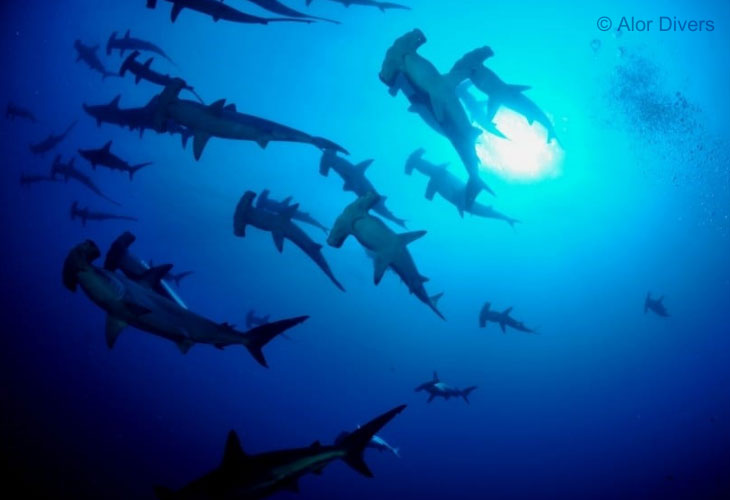
Alor offers pristine coral reefs. The Pantar Strait is one of the most well-preserved coral reef systems in Indonesia. The total ban on dynamite and cyanide fishing means the whole area has beautiful, colourful and dense coral reefs. Some of the dive sites are renowned for schools of pelagics such as Manta and Eagle rays, sharks, Dog-tooth tunas (Gymnosorda unicolor), and Napoleon wrasses. Occasionally you can spot schools of dolphins and Pilot whales.

The continual flow of ocean currents brings nutrients to invertebrates and small fishes, which in turn are eaten by medium-sized fishes, and so on up the foodchain.

In addition to pristine corals, Alor is also one of Indonesia’s top muck-diving destinations. Sediment on the seabed mixed with volcanic black sand and coral rubble is a perfect camouflage environment for unusual critters.

It really is a treasure hunt for macro photographers!

Diving-Alor-Hammerhead-Shark

Alor’s Diving Seasons

Diving is good year-round with average viz of 25-30m however the best conditions are March to December. From May to September is the southeast monsoon (more windy than rainy) when viz may decrease to 15m. However this is when the plankton bloom happens resulting in increased feeding activity. Mola-Mola are usually spotted in September.

Muck-Diving-Alor

How to Reach Alor

The Alor Archipelago is somewhat remote however, Alor’s diving is often integrated into some Liveaboard schedules when crossing from Komodo to Raja Ampat.

And, of course, dive resorts offer attractive Diving & Accommodation packages: There are domestic flights from Jakarta, Surabaya and Bali to Kupang, and from there to Alor.

For more info on Alor diving, and to start your planning, please make sure your AMD-B Travel Consultant is aware of your needs. As always, they will be more than happy to offer recommendations and make arrangements to suit your preferences. Contact us on Tours@AquaMarineDiving.com today!

Wakatobi

The Wakatobi Island Group

The Indonesian archipelago has many of the world’s greatest dive locations, one of which is ‘Wakatobi’ located in the centre of the Coral Triangle.

Rising from the depths of the Banda Sea, south east of mainland Sulawesi, the name ‘WaKaToBi’ comes from the names of four islands: Wangi-wangi, Kaledupa, Tomia, Binongko.

The Wakatobi islands have been a marine conservation area since 1996 and were declared a National Park in 2002. They are recognized as having one of the highest numbers of coral reef fish species in the world. Wakatobi also has the largest barrier reef in Indonesia, second only to The Great Barrier Reef in Australia.

Being a National Marine Park, fishing is strictly limited. These superb reefs are supported and protected by the local fishing communities. In exchange for adopting more sustainable practices, including no-fishing zones, the fishermen receive a share of the income generated by Wakatobi Dive Tourism.

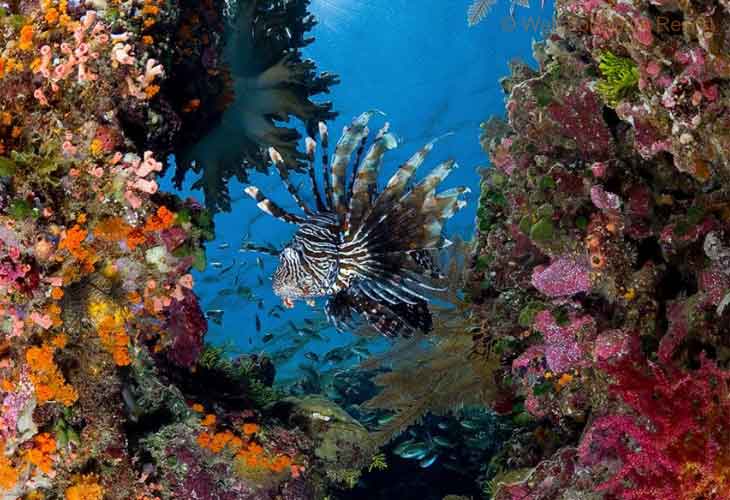
Wakatobi-Island-Lionfish

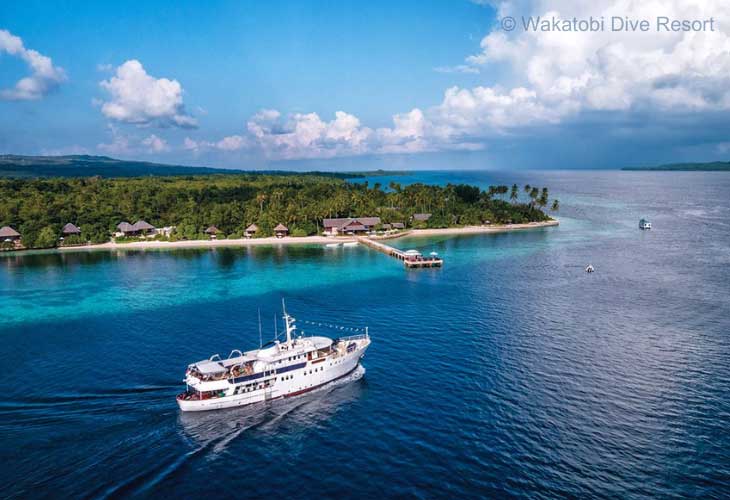
Diving with Wakatobi Dive Resort

Wakatobi Dive Resort and their liveaboard, Pelagian, offer more than 50 spectacular dive sites. These range from The House Reef where the warm water and shallow depth allow for long dives (although there can sometimes be a current) to gorgeous bays and lagoons, as well as dramatic walls and drop-offs abounding with seafans and gigantic sponges. Famed for night-diving due to the brilliantly coloured corals and resident marinelife, the reef edges attract great numbers of fish. The coral gardens bristle with large bommies and tubstrea corals. Large table corals shelter stingrays as well as invertebrates and crustaceans.

Wakatobi is ideal for divers who love macro underwater photography. Make sure you check out the muck diving in Pasarwajo 🙂 There aren’t many big fishes here although you will see Black-tip reef sharks at several dive sites.

The temperature range in Wakatobi is 26-29°C.
Rainy season is October to April.
Visibility remains consistent at approx 30m year-round.

All charter flights to/from Wakatobi Dive Resort & Liveaboard are Bali-Wakatobi-Bali return, and are currently on a Monday and Friday schedule.

If the above whets your appetite and, like so many of our other ‘Bali & Beyond’ guests, you can’t wait to start planning – please contact your friendly AMD-B Dive Travel Consultant on Tours@AquaMarineDiving.com today to start YOUR planning!

Wakatobi-Dive-Resort